Charging 101
Electric Vehicles in the Philippines: A Complete Beginner's Guide (2026)
By EVChargePH Team · July 3, 2026 · 11 min read
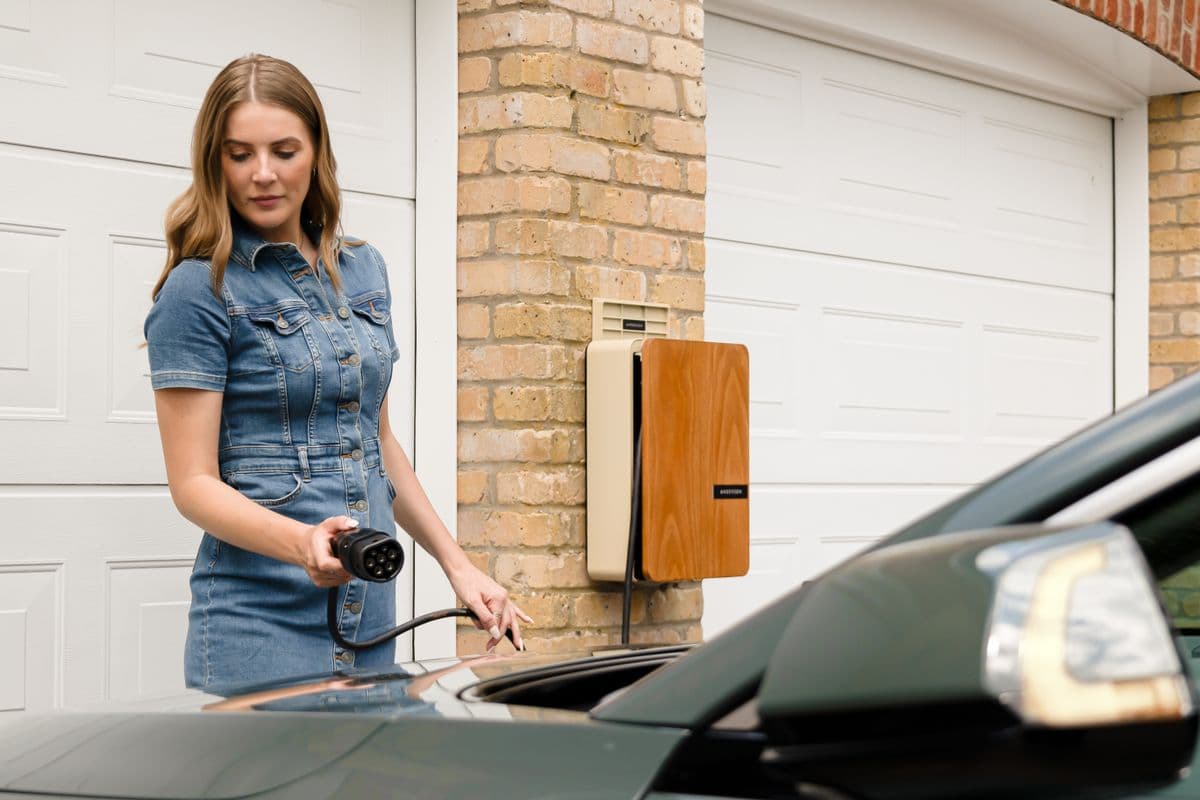
Buying your first electric vehicle in the Philippines is simpler than it looks once you learn a few basics. In plain terms, a fully electric car (a BEV) runs only on a battery you charge from the grid, a plug-in hybrid (PHEV) adds a petrol engine as backup, and a regular hybrid (HEV) never plugs in at all. Charging happens mostly at home overnight on cheap electricity, with public chargers for longer trips, and running an electric car in the Philippines typically costs a fraction of petrol per kilometre. This complete beginner's guide walks through the jargon, the charging, the real costs, and where to plug in.
What is an electric vehicle, exactly?
An electric vehicle is any car that uses an electric motor for some or all of its driving, but the term hides three quite different things, and telling them apart is the single most useful thing a beginner can learn. Getting this right saves you from buying the wrong kind of car for your situation.
- A BEV (battery electric vehicle) runs purely on electricity stored in a battery, which you recharge by plugging in. It has no petrol engine at all, produces no tailpipe emissions, and is what most people mean by "electric car." Examples include the BYD Dolphin and Tesla Model 3.
- A PHEV (plug-in hybrid) pairs a smaller battery you can charge with a petrol engine that takes over when the battery runs down, so it drives on electricity for shorter trips and on fuel for longer ones. Our PHEV guide covers this type in detail.
- An HEV (regular hybrid) has a small battery that charges itself from the engine and braking — you never plug it in — so it is really a fuel-efficient petrol car, not something you charge.
The distinction that matters most for a first-time buyer is "do I plug it in, and can it run without petrol?" Only BEVs and PHEVs plug in; only BEVs run entirely without fuel. Our full explainer on BEV vs PHEV vs hybrid in the Philippines unpacks the differences, and the EV glossary defines every term you will meet along the way. The rest of this guide focuses mainly on fully electric cars, since that is what most people mean by going electric.
How does charging an electric car work?
Charging is the part that intimidates beginners most and turns out to be the easiest to grasp, because for daily driving it is genuinely just "plug in at home and unplug in the morning." An electric car charges by drawing electricity into its battery, and there are two broad speeds you will meet, defined by two connector types that dominate the Philippine market.
- AC charging through a Type 2 connector is the slower, everyday kind — what you use at home on a wall-box and at many destination chargers. It refills a car gently over hours, which is perfect for overnight charging.
- DC fast charging through a CCS2 connector is the quick kind found at public stations, taking a battery from low to around 80 percent in well under an hour — ideal for topping up on longer trips.
Almost every EV sold in the Philippines uses this Type 2 plus CCS2 pairing, so compatibility is rarely a worry. Our guide to EV charging connectors explains the plugs, and how long charging takes covers the timings. The mental shift for a beginner is simple: instead of visiting a petrol station when the tank is low, you start most days with a full battery because the car charged while you slept. You only think about public charging on longer journeys.
How much does it cost to run an electric car in the Philippines?
This is where an electric vehicle makes its strongest case, because the running costs are dramatically lower than petrol. Charging at home on a typical Meralco residential rate of roughly 11 to 13 pesos per kWh works out to around 1.5 to 3 pesos per kilometre, frequently less than half what an equivalent petrol car costs at 2026 pump prices. Over a year of normal driving, that gap adds up to real money.
The savings come from several directions at once:
- Charging is cheaper than fuel, especially at home overnight on your residential rate.
- Maintenance is simpler, with no oil changes, fewer moving parts, and less brake wear thanks to regenerative braking.
- Costs are more stable, since electricity prices are steadier than volatile pump prices.
The honest caveat is that the case is strongest for people who drive enough to benefit and can charge conveniently — a very light driver saves less, and someone who must rely entirely on premium public charging saves less than someone charging at home. Our guide to EV charging costs breaks down the per-kilometre maths, the five-year cost of ownership guide frames the bigger picture, and the EV savings calculator lets you compare an EV against your current car using your own mileage.
What EV incentives does the Philippines offer?
Beginners are often surprised to learn that going electric is officially encouraged, and understanding the incentives helps the maths make sense. The main framework is the EVIDA law (Republic Act 11697, the Electric Vehicle Industry Development Act), which sets the national direction for electric vehicles and supports a range of buyer-facing perks.
In broad terms, EVIDA has supported friendlier fees and duties on certain EVs, distinctive green license plates, and a push for establishments like malls and offices to provide charging. These measures have helped narrow the price gap between EVs and petrol cars and thickened the charging network you will rely on. The exact figures and eligibility change over time, so treat any specific claim as something to confirm against current rules rather than assume. Our full explainer on the EVIDA law covers what it does and why it matters for ordinary buyers.
The practical takeaway for a beginner is that the policy environment is working in your favour: more models, more chargers, and friendlier prices than a few years ago. You do not need to master the legislation — just know that incentives exist, ask your dealer which currently apply to a specific model, and factor them into the total cost.
Where can you charge an electric car in the Philippines?
The final worry for most beginners is "but where will I actually charge?" — and the reassuring answer is that the network has grown substantially, especially across Metro Manila and the major cities. Charging comes from four overlapping sources, and most owners blend them without much thought.
- Home charging on a Type 2 wall-box is the foundation for anyone with a parking spot — the cheapest and most convenient option, covered in our home charging setup guide.
- Destination charging at the malls, offices, and hotels you visit anyway lets you top up while parked.
- Public DC fast chargers along major roads and at fuel stations deliver quick top-ups on longer trips.
- Peer-to-peer charging, where a nearby host shares their charger for a fee, fills the gaps — useful for condo dwellers without their own charger.
You can see what is available and plan around it on the charger map and the charging directory, with city pages like Makati, Cebu City, and Davao City showing local coverage. If you live in a condo, our guide to charging an EV in a condo or apartment is essential reading, and anyone with an idle charger can list it to earn from it. The combination means that even without a private charger, running an EV in a well-covered city is genuinely practical.
Is an electric car right for you?
For a growing number of Filipino drivers, an electric vehicle is now a sensible everyday choice rather than an experiment — but whether it suits you comes down to a few honest questions. Can you charge conveniently, ideally at home or nearby? Do you drive enough that the low running costs repay the purchase price over time? Does your driving fit comfortably within a modern EV's range most days? If you answer yes to those, the case is strong.
If you cannot charge easily, drive very little, or regularly cover long distances into areas with sparse charging, the maths is weaker — and a PHEV or a regular hybrid might suit you better as a stepping stone. Our honest guide to whether an EV is worth it walks through exactly how these factors shape the decision, and the roundup of the best electric cars in the Philippines helps you match a specific car to your needs. Start by browsing the EV catalog, running your numbers through the savings calculator, and checking charging near you on the map — that is the fastest route from curious beginner to confident owner.
Frequently asked questions
What is the difference between a BEV, a PHEV, and a hybrid?
A BEV (battery electric vehicle) runs purely on a battery you charge by plugging in, with no petrol engine. A PHEV (plug-in hybrid) has a smaller battery you can charge plus a petrol engine for backup. A regular hybrid (HEV) never plugs in — its small battery charges itself from the engine and braking. Only BEVs and PHEVs plug in; only BEVs run entirely without fuel.
How much does it cost to charge an electric car in the Philippines?
Charging at home on a typical Meralco residential rate of roughly 11 to 13 pesos per kWh works out to around 1.5 to 3 pesos per kilometre — often less than half what petrol costs. Public fast charging costs more per kWh but is used mainly for trips. Most owners charge at home overnight, which is by far the cheapest option. The savings calculator lets you run your own numbers.
Do I need a special charger at home for an electric car?
For daily use, most owners install a Type 2 wall-box on a dedicated circuit, which refills the car comfortably overnight. The portable trickle charger that comes with the car works from an ordinary socket but is much slower and best kept as a backup. A licensed electrician should handle any installation. Our home charging guide covers the setup and rough costs.
Is it practical to own an electric car in the Philippines in 2026?
For many drivers, yes — especially in Metro Manila and the major cities, where charging coverage has grown substantially. The keys are being able to charge conveniently (ideally at home), driving enough to benefit from low running costs, and having your daily distances fit within range. If you cannot charge easily or drive very little, a hybrid or PHEV may suit you better for now.
Be our partner
Power the Philippines' electric future with us
Earn from an idle charger, or put your brand in front of EV drivers while they charge. Join the EVChargePH network today.