Charging 101
How Long Does It Take to Charge an EV in the Philippines?
By EVChargePH Team · June 9, 2026 · 9 min read
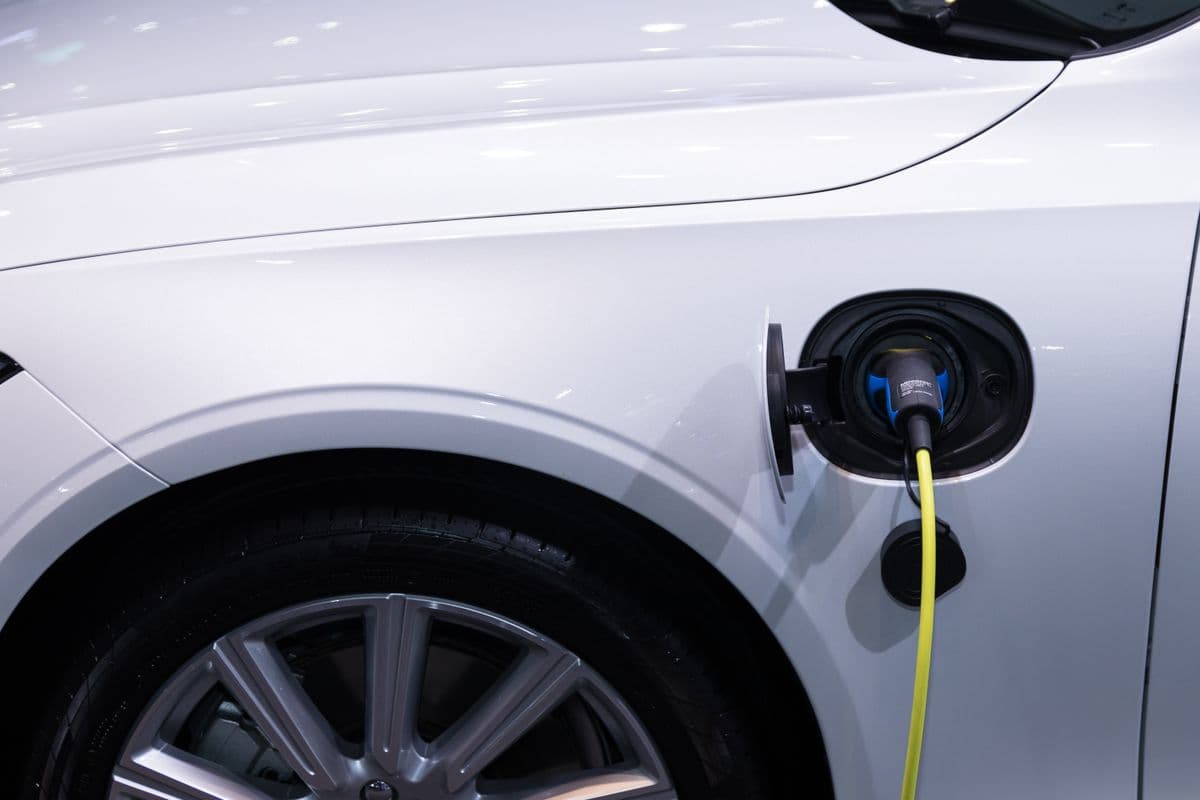
Charging an EV in the Philippines takes anywhere from about 20 minutes to overnight, depending entirely on the charger. A home AC charger is slow and typically refills a car over several hours while you sleep, which suits everyday driving perfectly. A public DC fast charger is far quicker, taking a typical EV from a low battery to around 80 percent in roughly 20 to 60 minutes. Charging deliberately slows past 80 percent to protect the battery, so fast-charging stops are usually planned around that point. Here is how it all works.
How long does home charging take?
Home charging is slow by design, and that is a feature rather than a flaw. When your car is parked overnight for eight or ten hours anyway, there is no reason to rush the charge. A home AC charger, often a wallbox installed in your garage or carport, gently refills the battery over several hours, and you wake up to a full or near-full car every morning without having thought about it once.
How many hours specifically depends on your charger's power and your battery size, but the everyday experience is simple: you plug in when you get home and unplug when you leave. For most owners, the battery rarely runs low enough to need a complete refill, so a typical overnight top-up from, say, 30 percent to 80 percent finishes comfortably while you sleep. Charging from a standard household socket is slower still and works as a backup, but a dedicated wallbox is the sensible setup for regular use.
The beauty of home charging is that the slow speed becomes invisible. You are not waiting around; the car charges during hours you were not using it anyway. This is why home charging quietly handles the vast majority of most owners' needs, and why the cost works out so low, a topic we cover in detail in our guide to EV charging costs in the Philippines. For the days when home charging is not enough, you can browse nearby chargers to see what speeds are available around you, and that is where fast charging earns its place.
How long does public fast charging take?
Public DC fast charging is a completely different experience, built for speed rather than patience. These high-power chargers, found at malls, fuel stations, and along expressways, can take a typical EV from a low battery to around 80 percent in roughly 20 to 60 minutes. The exact time depends on the charger's power, your car's maximum charging speed, and how full the battery already is.
This is the kind of charging you use on road trips or when you are caught out with a low battery and no time to spare. You pull in, plug the larger CCS2 connector into your car, and add a meaningful chunk of range over a coffee or a quick meal. It is not as instant as filling a petrol tank, but it is fast enough that a well-planned stop barely interrupts a journey. Understanding which plug your car uses helps here, which is why our guide to EV charging connectors is worth a read before your first fast-charging stop.
There is an important catch, though, and it shapes how everyone uses fast charging: the speed is not constant. Charging is fastest when the battery is low and slows down significantly as it fills, especially past 80 percent. That tapering behavior is not a malfunction; it is the battery protecting itself, and it is the single most important thing to understand about charging time.
Why does charging slow down at 80 percent?
The slowdown past 80 percent surprises a lot of new EV owners, but it is completely normal and actually good for your car. Think of filling the battery like filling a glass of water quickly: you can pour fast while it is mostly empty, but you have to ease off near the top to avoid spilling. Lithium batteries behave similarly, accepting energy rapidly when low and then deliberately slowing as they approach full.
This is why fast-charging stops are almost always planned around reaching 80 percent rather than 100. The last 20 percent can take nearly as long as the first 80 on a fast charger, which makes it poor value for time when you are mid-trip. Experienced drivers simply unplug at 80 and get back on the road, saving the slow final stretch for when they are parked overnight at home where speed does not matter.
A few practical implications follow from this:
- On road trips, charge to 80 percent and move on, since chasing the last 20 percent wastes disproportionate time.
- At home, charging to full is fine, because you are parked for hours and the slow finish costs you nothing.
- Plan trip stops around the fast portion, not the slow tail, so your time at the charger stays efficient.
Once you internalize the taper, fast charging stops feeling like a chore and starts feeling like a quick, predictable pause. It also explains why two drivers can report very different charging times for the same car: one charged from 10 to 80 percent, the other foolishly waited for 100.
What affects how long charging takes?
Charging time is not a single fixed number, because several factors combine to determine it. Understanding them helps you set realistic expectations and avoid the frustration of an unexpectedly slow session.
- Charger power. A more powerful charger delivers energy faster. A home wallbox is far slower than a public DC fast charger, which is the biggest single factor of all.
- Your car's maximum charging speed. Every EV has a ceiling on how fast it can accept energy. A powerful charger cannot push a car beyond its own limit, so a fast charger does not help if your car charges slowly.
- Battery size. A larger battery holds more energy and therefore takes longer to fill, all else being equal, though it also delivers more range per charge.
- How full the battery already is. Thanks to the taper, charging from 10 to 80 percent is much quicker than the final stretch to 100.
- Weather and battery temperature. Very hot or very cold batteries charge more slowly, since the car protects itself. In the Philippines, extreme cold is rarely an issue, but a hot battery can charge a touch slower.
The most common mistake is assuming the charger's headline power is the only thing that matters. In reality, the slower of the charger and the car sets the pace, so a modest car on a powerful charger still charges at the car's own limit. Knowing your car's maximum speed is genuinely useful when planning trips, and it pairs naturally with knowing where the fast chargers are along your route.
Will a shared charger be slower?
A common worry, especially at busy public sites, is whether sharing a charger slows things down. The honest answer is sometimes, depending on how the equipment is set up. Some fast-charging installations split their total power between two cars when both are plugged in, which means each car may charge a little slower while they share. Other sites give each charger its full power regardless. This is worth knowing so a slightly slower session does not catch you off guard.
This is actually one of the quiet advantages of peer-to-peer charging. When you reserve a hosted charger, you typically have it to yourself for your booked slot, so there is no queue and no sharing of power with a stranger. You arrive at your reserved time, plug in, and charge without competing for the connector. Drivers can find a charger and book a private slot in advance, while owners with idle equipment can list their charger to offer exactly that kind of reliable, uncontested charging to their neighbors.
For everyday driving, sharing is rarely a real problem because home charging covers most of your needs anyway. It mainly matters at popular public sites during peak times, when a reserved peer-to-peer charger or a well-timed visit can save you both the wait and the slower shared speed.
Frequently asked questions
How long does it take to fully charge an EV at home?
Home AC charging is slow by design and typically refills a car over several hours, usually overnight. The exact time depends on your charger's power and battery size, but most owners simply plug in when they get home and wake up to a full car. The slow speed is invisible because the car charges during hours you were not using it.
How fast can a public DC fast charger charge my EV?
A public DC fast charger can take a typical EV from a low battery to around 80 percent in roughly 20 to 60 minutes, depending on the charger's power, your car's maximum charging speed, and the starting battery level. Charging slows significantly past 80 percent, so trip stops are usually planned around reaching 80 rather than 100.
Why does my EV stop charging quickly at 80 percent?
It does not stop, it slows down deliberately to protect the battery, much like easing off when filling a glass near the top. The final 20 percent can take nearly as long as the first 80 on a fast charger, so experienced drivers unplug at 80 on trips and save the slow finish for home, where charging time does not matter.
Does charging take longer in hot weather?
It can, slightly. A very hot battery charges a touch more slowly because the car protects itself, though the effect is usually modest in Philippine conditions. Extreme cold has a bigger impact elsewhere, but that is rarely a factor here. Driving style and how full the battery is affect your day far more than weather does.
Be our partner
Power the Philippines' electric future with us
Earn from an idle charger, or put your brand in front of EV drivers while they charge. Join the EVChargePH network today.