Buying Guide
PHEV in the Philippines: Is a Plug-in Hybrid Right for You? (2026)
By EVChargePH Team · July 1, 2026 · 10 min read
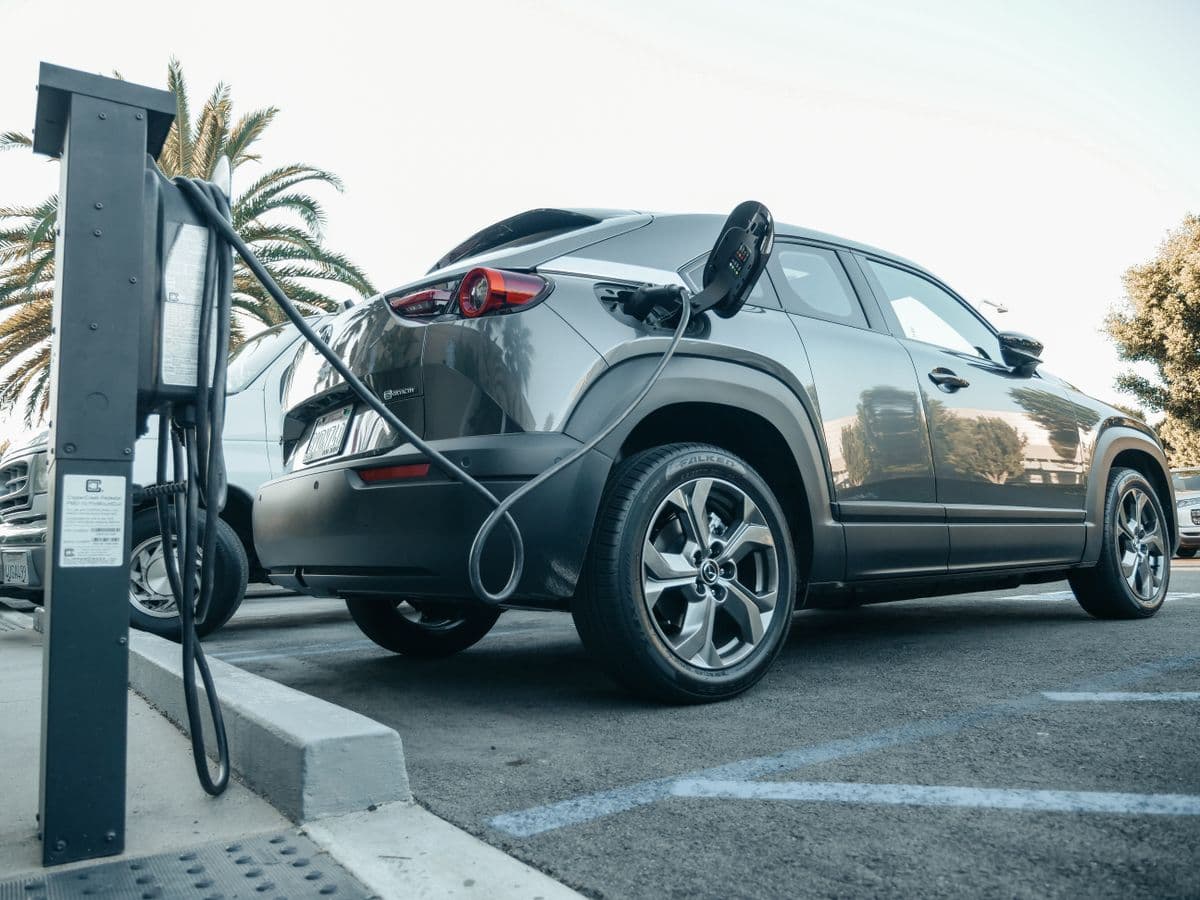
A PHEV, or plug-in hybrid, is often the smartest first step into electrified driving in the Philippines — it pairs a battery you charge like an EV with a petrol engine that removes any worry about running flat. In everyday terms, a plug-in hybrid in the Philippines lets you do your short daily trips on cheap electricity while keeping a full tank of petrol for long provincial drives, so you never depend on finding a charger. Most PHEVs sold here charge on Type 2 AC only rather than fast DC, and they suit a specific kind of driver very well. Here is how a PHEV works, how it charges, which models you can buy, and whether it beats a full electric car for you.
What is a PHEV?
A PHEV — plug-in hybrid electric vehicle — is a car with two power sources that work together: a battery and electric motor you can charge from the grid, and a petrol engine that takes over when the battery is depleted. That dual nature is the whole point, because it means a plug-in hybrid can drive on electricity for shorter journeys and switch seamlessly to petrol for longer ones, giving you the low running costs of an EV around town without the range planning of a pure battery car.
The key number for any PHEV is its electric-only range — how far it can travel on the battery alone before the petrol engine kicks in. That figure is much smaller than a full EV's range, typically enough for a day of city driving rather than a long trip, which is exactly the design intent. You charge the battery to cover your regular short trips electrically and cheaply, and you lean on petrol only when you exceed that, so a well-used PHEV spends most of its city miles on electricity and its highway miles on fuel.
Crucially, a PHEV is different from a regular self-charging hybrid (an HEV), which you never plug in and which is really just a fuel-efficient petrol car. A PHEV does plug in, has a bigger battery, and can drive meaningfully on electricity alone. Our full explainer on BEV vs PHEV vs hybrid in the Philippines draws the lines clearly, and the EV glossary defines the terms. Understanding this distinction is the first step to deciding whether a plug-in hybrid fits your life.
How does a PHEV charge in the Philippines?
Charging a plug-in hybrid is simpler and slower than charging a full EV, and understanding why removes a common source of confusion. Because a PHEV has a much smaller battery than a BEV, it does not need — and usually cannot use — the rapid DC fast charging that battery cars rely on for long trips. Most PHEVs sold in the Philippines charge on Type 2 AC only, filling their modest battery in a few hours from a home wall-box or an ordinary socket.
In practice that means PHEV charging looks like this:
- At home, you plug into a Type 2 wall-box or the portable charger overnight, and the small battery is full by morning — plenty for the next day of short trips.
- At AC destination chargers, you can top up while parked at a mall or office, though the smaller battery means you rarely need to.
- Fast DC charging is usually not applicable, since most PHEVs lack a CCS2 port and their battery is small enough that AC charging is quick anyway.
There are exceptions worth knowing. The BYD Shark 6, a plug-in hybrid pickup, unusually accepts both Type 2 AC and CCS2 DC fast charging — but that is rare. For the typical PHEV, the mental model is "charge slowly at home overnight, and never worry about public fast charging," because the petrol engine covers any distance the battery cannot. Our guides to EV charging connectors and home charging setup apply directly, since the AC side is identical to charging a full EV.
Which PHEVs are available in the Philippines?
The plug-in hybrid segment in the Philippines has grown quickly, with several manufacturers offering PHEV SUVs and even a pickup, giving buyers real choice. These cars appeal strongly to Filipino tastes because they combine the popular high-riding SUV shape with electrified running costs and no range anxiety.
Notable plug-in hybrids you can buy include:
- The BYD Sealion 6, a plug-in hybrid SUV that pairs a chargeable battery with a petrol engine for longer drives — see the Sealion 6 model page.
- The Jaecoo J7 PHEV, a stylish plug-in hybrid SUV covered on the Jaecoo J7 PHEV page.
- The Chery Tiggo 8 Pro e+ PHEV, a three-row plug-in hybrid SUV for larger families — see the Tiggo 8 Pro PHEV page.
- The BYD Shark 6, a plug-in hybrid pickup that, unusually, fast-charges on CCS2 as well as Type 2 — see the Shark 6 model page.
Prices vary by model and trim and shift constantly, so treat any figure as indicative for 2026 and confirm current pricing with the dealer. What unites these cars is the PHEV proposition: electric running for the city, petrol reassurance for the province. The broader EV catalog lists them alongside full battery EVs so you can compare, and our roundup of the best electric cars in the Philippines puts the fully electric alternatives in context.
PHEV vs full electric: which should you buy?
This is the decision most electrified-curious buyers wrestle with, and the honest answer depends on how and where you drive. A PHEV removes range anxiety entirely because it always has petrol as backup, making it ideal for drivers who regularly travel long distances into areas with sparse charging, or who cannot yet charge reliably at home. A full BEV, by contrast, is cheaper to run per kilometre, simpler mechanically, and produces no tailpipe emissions — better for drivers whose journeys fit comfortably within its range and who can charge conveniently.
The trade-offs break down like this:
- Choose a PHEV if you do frequent long provincial trips, worry about charging availability, or want a gentle transition into plugging in without changing how you travel.
- Choose a full BEV if you mostly drive within range, can charge at home or nearby, and want the lowest running costs and simplest maintenance.
A PHEV's catch is that it carries both a petrol engine and a battery, so it is mechanically more complex than either a pure EV or a pure petrol car, and its savings depend on you actually charging it — a PHEV left uncharged is just a heavier, thirstier hybrid. A full EV is simpler and cheaper to run, but only if charging fits your life. Our guide to whether an EV is worth it weighs these factors, and the EV savings calculator helps you compare running costs against your current car.
Who is a PHEV right for?
A plug-in hybrid suits a clear profile, and recognising whether you fit it makes the decision easy. The ideal PHEV owner does most of their driving as short, regular trips that the battery can cover electrically and cheaply, but also takes occasional longer drives — to the province, on holidays, into areas where charging is thin — where the petrol engine provides complete peace of mind. For this driver, a PHEV delivers much of an EV's low daily running cost with none of the range planning.
It also suits people who are curious about electrified driving but not yet ready to commit fully — perhaps because they cannot install a home charger, or because their travel patterns are unpredictable. A PHEV lets them dip into electric driving on their own terms, charging when convenient and falling back on petrol whenever not. Over time, many such drivers find they charge more than expected and could have gone fully electric, but the PHEV removes the risk of finding out the hard way.
Who should skip a PHEV? Drivers whose journeys fit comfortably within a full EV's range and who can charge easily will usually save more with a pure BEV, since they get the running-cost benefit without carrying a petrol engine they rarely use. And drivers who would never bother plugging in at all are better served by a self-charging hybrid or an efficient petrol car. To go deeper on the distinctions, read our explainer on BEV vs PHEV vs hybrid, and if you decide a full EV suits you after all, the best electric cars roundup and the beginner's guide to EVs are the natural next reads. You can also browse the EV catalog and check charging near you on the map.
Frequently asked questions
What is a PHEV in simple terms?
A PHEV, or plug-in hybrid, is a car with both a chargeable battery and electric motor and a petrol engine. You charge the battery to drive short trips on cheap electricity, and the petrol engine takes over for longer journeys, so you never depend on finding a charger. It differs from a regular hybrid, which you never plug in, and from a full EV, which has no petrol engine.
How do you charge a plug-in hybrid in the Philippines?
Most PHEVs sold in the Philippines charge on Type 2 AC only, filling their small battery in a few hours from a home wall-box or ordinary socket — usually overnight. They generally cannot use CCS2 DC fast charging, and rarely need to, since the battery is small and the petrol engine covers long distances. The BYD Shark 6 is an unusual exception that fast-charges on CCS2.
Is a PHEV better than a full electric car in the Philippines?
Neither is universally better — it depends on your driving. A PHEV suits drivers who do frequent long trips or cannot charge reliably, because petrol removes range anxiety. A full BEV is cheaper to run and simpler if your journeys fit within range and you can charge conveniently. A PHEV only saves money if you actually charge it regularly; left uncharged, it is just a heavier hybrid.
Which plug-in hybrids can I buy in the Philippines?
The PHEV lineup has grown to include SUVs like the BYD Sealion 6, Jaecoo J7 PHEV, and the three-row Chery Tiggo 8 Pro e+ PHEV, plus the BYD Shark 6 plug-in hybrid pickup. Prices vary by model and trim and change frequently, so treat any figure as indicative for 2026 and confirm with the dealer. The EV catalog lists them alongside full electric alternatives for comparison.
Be our partner
Power the Philippines' electric future with us
Earn from an idle charger, or put your brand in front of EV drivers while they charge. Join the EVChargePH network today.