Buying Guide
BEV vs PHEV vs HEV: Which Electric Car Type Is Right for You? (Philippines)
By EVChargePH Team · June 12, 2026 · 11 min read
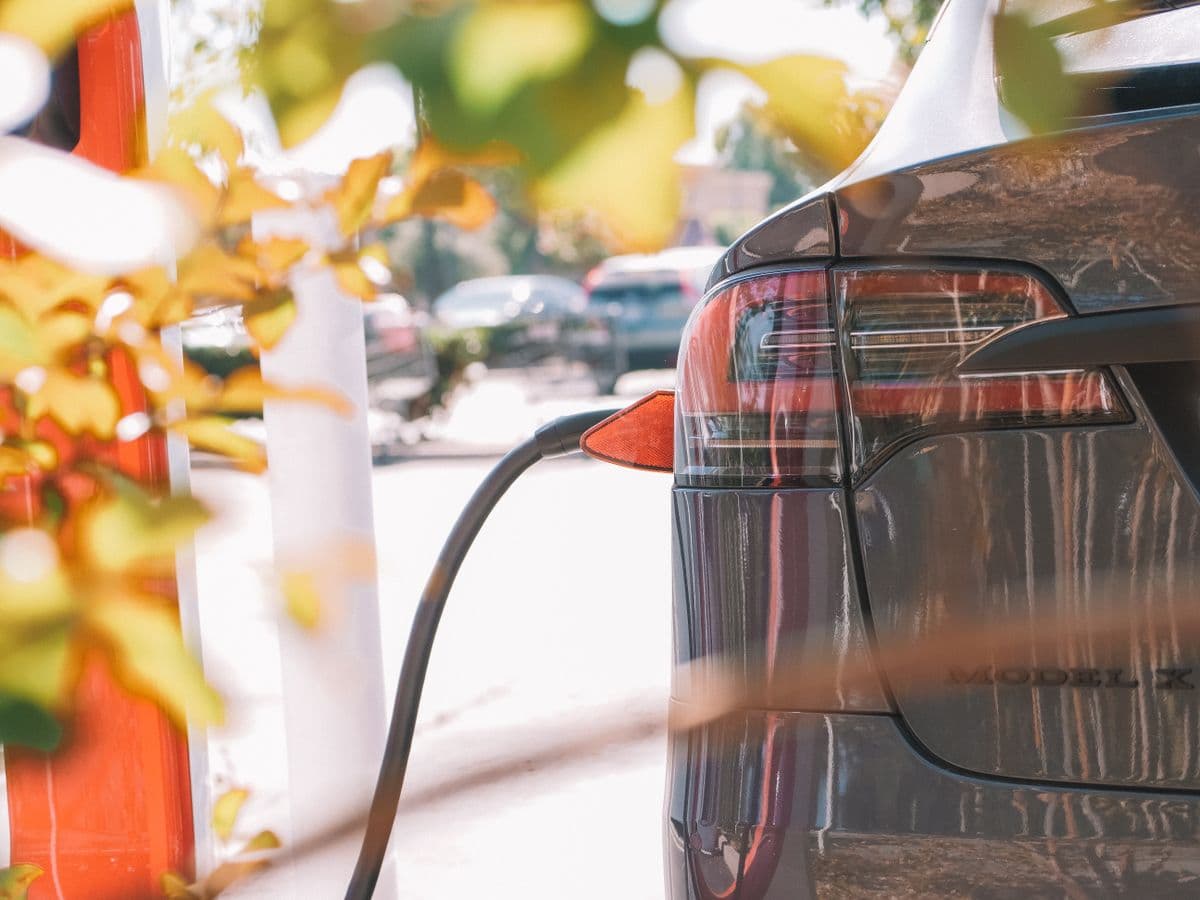
A BEV (battery electric vehicle) runs purely on electricity from a battery you plug in, with no engine and no fuel. A PHEV (plug-in hybrid) pairs a smaller plug-in battery for short electric trips with a petrol engine for longer ones. An HEV (self-charging hybrid) blends a small battery and a petrol engine but never plugs in, recharging itself as you drive. In the Philippines in 2026, a BEV is cheapest to run if you can charge conveniently, a PHEV suits drivers who want electric commuting plus worry-free provincial trips, and an HEV is the easiest switch for anyone who cannot charge at all. Here is how to choose.
What is the difference between a BEV, PHEV, and HEV?
The three letters describe how much of the car's energy comes from a plug versus a fuel pump, and that single distinction shapes everything about cost, charging, and daily life with the car. Getting the categories straight first makes the rest of the decision far simpler.
- A BEV is a pure electric car. It has a large battery, an electric motor, and a charging port, but no petrol engine and no fuel tank. You refuel it entirely by plugging in, either at home or at a public station.
- A PHEV is a plug-in hybrid. It has a meaningful battery you charge from a plug for a stretch of pure-electric driving, plus a petrol engine that takes over for longer journeys. You can use it like an electric car around town and like a petrol car on a road trip.
- An HEV is a self-charging hybrid. It has a small battery and an electric motor that assist a petrol engine, but you never plug it in. The battery recharges from braking and the engine, so it simply sips less fuel than a conventional car.
The crucial dividing line is the plug. BEVs and PHEVs both plug in and can run on cheap electricity; HEVs never plug in and always ultimately run on petrol. That difference in charging needs is the first thing to weigh, because it determines whether your home, your condo, or a nearby host can realistically keep the car fueled. If you are still mapping your options, you can find a charger near you to see how practical plugging in would actually be.
How does charging differ between the three?
Charging is where the three types diverge most sharply, and it is usually the deciding factor for Filipino buyers. The amount you depend on a plug rises steadily from HEV to PHEV to BEV, and so does the payoff for having convenient charging.
An HEV needs no charging at all, which is its single biggest practical advantage. You fuel it at any petrol station exactly like a normal car and simply enjoy better fuel economy. For someone in a condo with no charger and no nearby host, this removes the entire charging question in one stroke.
A PHEV needs regular charging to be worthwhile, but only of a small battery. Because its electric range is modest, it charges quickly on a home wallbox or even a household socket overnight, and many owners top it up daily so their short commutes run on electricity. Skip the charging and a PHEV still drives fine on petrol, just less efficiently, so the plug is rewarding rather than mandatory.
A BEV depends entirely on charging, since there is no engine to fall back on. This makes reliable access non-negotiable, whether that is a home charger, a workplace charger, or a hosted charger nearby. The upside is that a BEV is also the cheapest to run, drawing entirely on electricity at roughly 11 to 13 pesos per kWh at home. Our guide to EV charging costs in the Philippines breaks down exactly what that means per kilometer, and our explainer on charging connectors covers the plugs each type uses. To compare what charging near you would cost, you can browse nearby chargers before deciding.
Which is cheapest to run in the Philippines?
On pure running cost, the ranking is clear and consistent: a BEV is cheapest, a PHEV sits in the middle, and an HEV costs the most to fuel of the three, though all three beat a conventional petrol car. The gaps come straight from how much of each car's energy comes from cheap electricity versus pricier petrol.
A BEV charged at home typically runs around 1.5 to 3 pesos per kilometer, since every kilometer comes from electricity. A PHEV lands lower than petrol but higher than a BEV, because some of its kilometers run on the plug and some on the engine, with the exact blend depending on how diligently you charge and how far you drive. An HEV always ultimately burns petrol, so it cannot match a plug-in on energy cost, but its clever hybrid system still cuts fuel use noticeably below a normal car, especially in the stop-and-go traffic that defines EDSA and most Metro Manila driving.
Maintenance follows a similar pattern. A BEV has the fewest moving parts, no oil changes, and brakes that last longer thanks to regenerative braking, so it tends to be cheapest to maintain. PHEVs and HEVs still have a petrol engine to service, so their maintenance sits closer to a conventional car. If you want to pressure-test these numbers against your own mileage, our EV savings calculator lets you compare electric against petrol for your situation, and our honest look at whether an EV is worth it weighs the full ownership picture.
Who should buy a BEV?
A BEV suits drivers who can charge conveniently and want the lowest running costs and simplest maintenance. If you have a home charger, a reliable nearby host, or charging at work, a pure electric car rewards you with cheap, quiet, smooth driving that is especially pleasant in heavy traffic.
The profiles that benefit most include:
- High-mileage city and suburban drivers, since the low per-kilometer cost adds up fastest the more you drive.
- Owners with home or workplace charging, who wake up to a full battery and rarely think about refueling.
- Condo dwellers with a nearby hosted charger, for whom a neighbor's charger effectively becomes home charging at a price close to residential electricity.
A BEV is a weaker fit for someone with no practical charging at all, or someone who constantly drives deep into provinces where fast chargers are still sparse. For everyone else in the metro and major cities, charging access has improved dramatically, partly because anyone with idle equipment can now list their charger and add coverage in exactly the residential streets big operators skip. If a BEV appeals, you can find a charger near your usual routes to confirm the access is there before you commit.
Who should buy a PHEV or HEV?
A PHEV suits drivers who want electric commuting most days but need true long-distance freedom without charging stops, while an HEV suits anyone who wants better fuel economy with zero change to their refueling habits. Both are sensible stepping stones, and both make particular sense given Philippine geography.
A PHEV is the natural pick if you have charging at home but regularly drive far beyond a single battery's range, such as frequent provincial trips on weekends. You run your daily Metro Manila commute on cheap electricity, then let the petrol engine handle the long haul to the province without hunting for a charger along the way. The catch is that a PHEV only delivers its savings if you actually plug it in daily; treat it like a normal car and you carry a heavy battery for little benefit.
An HEV is the easiest switch of all, because it asks nothing new of you. It is ideal for:
- Drivers with no charging access, such as condo residents who cannot install a charger and have no convenient host nearby.
- People who do long provincial drives constantly and want no range or charging considerations whatsoever.
- Cautious first-timers who want better economy and lower emissions without committing to the plug-in world yet.
The trade-off is that an HEV will never be as cheap to run as a plug-in, since it always relies on petrol in the end. Many Filipino buyers use a PHEV or HEV as a comfortable bridge, then move to a full BEV once their home or neighborhood charging is sorted. When that day comes, you can always find a charger to map your new options. To see how each path fits real buyers, our breakdown of whether an EV is worth it is a useful companion read.
How do these compare to specific models on sale?
The theory becomes concrete once you look at the cars actually on Philippine roads in 2026, and the comparison articles in this series put popular models head to head so you can see the trade-offs in practice rather than the abstract.
If you have narrowed in on a pure BEV, our comparisons cover the most popular options directly: BYD vs Tesla in the Philippines weighs the two best-known brands, Tesla Model 3 vs BYD Seal pits two electric sedans against each other, BYD Atto 3 vs Hyundai Ioniq 5 compares electric crossovers, and MG4 vs BYD Dolphin looks at the most affordable hatchbacks. You can also browse the full EV model catalog to filter by body type, range, and price.
Whichever category you land on, the order of decision-making stays the same: settle the BEV-versus-PHEV-versus-HEV question first based on your charging access, then choose the specific model within that category. Sorting the plug question early saves you from falling for a car that does not match how you can actually fuel it.
Frequently asked questions
Do I need to plug in a hybrid in the Philippines?
It depends on the type. A self-charging HEV never plugs in; it recharges itself from braking and the engine, so you fuel it at a petrol station like a normal car. A PHEV does plug in, and you should charge it regularly to enjoy its electric driving and lower running cost. Only BEVs and PHEVs have a charging port at all.
Which is cheaper to run: a BEV, PHEV, or HEV?
A BEV is cheapest, typically around 1.5 to 3 pesos per kilometer when charged at home, because every kilometer runs on cheap electricity. A PHEV sits in the middle, mixing electric and petrol kilometers. An HEV costs the most to fuel of the three since it always ultimately burns petrol, though all three beat a conventional car. You can compare your own numbers with our EV savings calculator.
Is a BEV practical if I live in a condo?
It can be, provided you have reliable charging. Installing a private charger in a condo may need building approval, but many condo residents rely on a nearby peer-to-peer host or workplace charging instead, often at a cost close to home electricity. You can find a charger hosted near you to check before buying. If no charging is practical at all, an HEV may suit you better for now.
Should my first electric car be a PHEV or a full BEV?
If you can charge conveniently and mostly drive in and around the city, a full BEV gives you the lowest running costs and simplest ownership. If you regularly take long provincial trips or your charging access is uncertain, a PHEV is a sensible bridge that runs on electricity daily and petrol on the highway. Settle your charging access first, then choose.
Be our partner
Power the Philippines' electric future with us
Earn from an idle charger, or put your brand in front of EV drivers while they charge. Join the EVChargePH network today.