Charging 101
EV Charging Stations in the Philippines: Where to Find and Use Them (2026)
By EVChargePH Team · July 15, 2026 · 11 min read
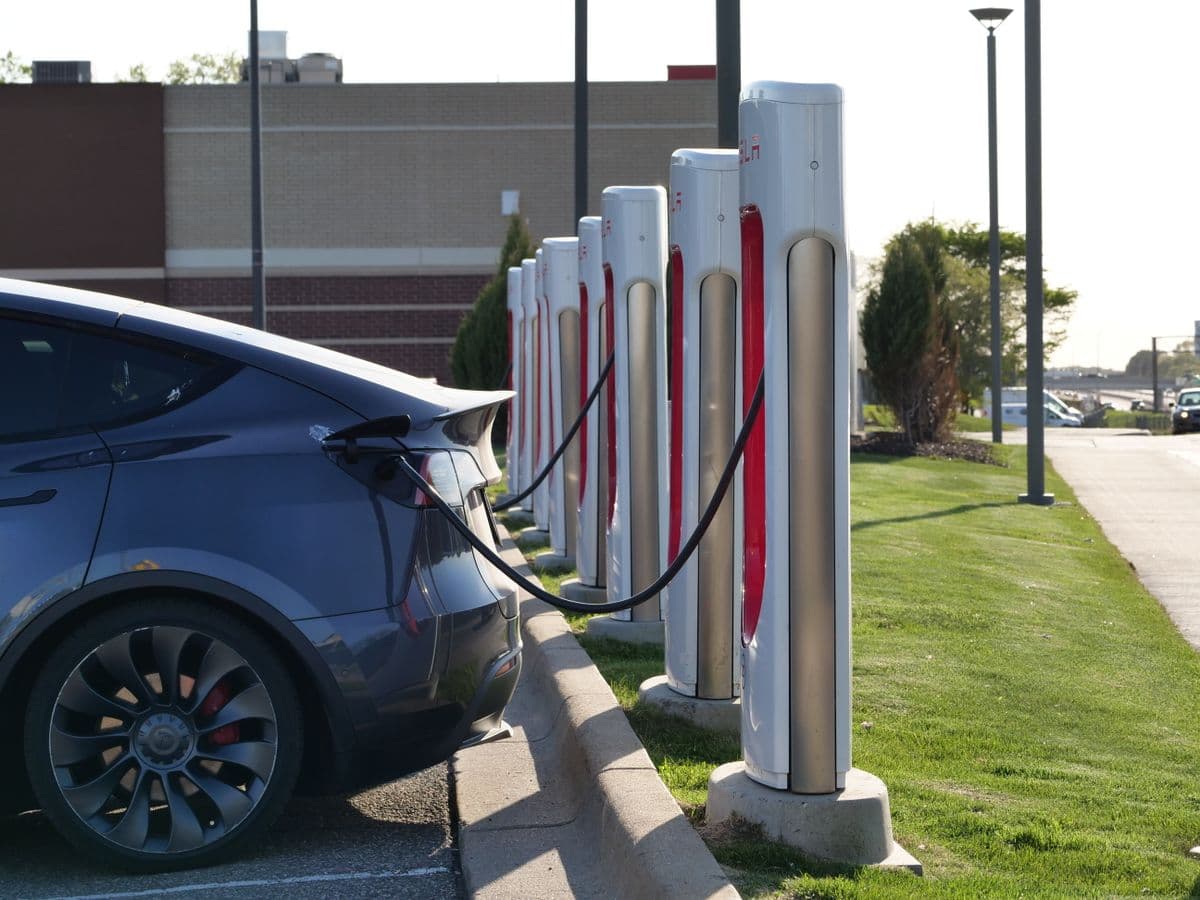
Finding an EV charging station in the Philippines is far easier in 2026 than most first-time buyers expect. Our live map now shows more than 40 real public chargers across the country, run by networks such as Shell Recharge, eSakay, Ayala Malls, SM, and Unioil, alongside independent and peer-to-peer hosts. Most everyday charging still happens at home overnight for a few pesos per kilometer, while these public and destination stations cover road trips, quick top-ups, and drivers who cannot charge where they live. Here is where to find an electric car charging station, how to use one, and how the whole network fits together.
Where can I find an EV charging station in the Philippines?
The single best way to find an EV charging station in the Philippines is to check a live, up-to-date map rather than rely on memory or word of mouth, because the network is growing month by month. Our map plots real public chargers nationwide, showing where each one is, what connector it uses, its rough pricing, and whether you can reserve a slot in advance. Instead of driving on hope, you can see exactly where to plug in before you leave the house.
Public charging in the Philippines clusters where drivers naturally spend time, which is good news for planning. In practice, an electric car charging station is most often found in one of a few familiar places:
- Malls and retail centres, where operators like Ayala Malls and SM host chargers so you can top up while you shop, eat, or watch a film.
- Fuel stations, where names like Shell Recharge and Unioil have added DC fast charging to forecourts along major roads and expressways.
- Offices, hotels, and destinations, where destination charging lets you refill while parked for hours anyway.
- Residential and peer-to-peer hosts, where a neighbour or small business shares a charger for a fee, often at a price close to home electricity.
If you are shopping by area rather than by network, our city charging pages are the quickest starting point. You can browse what is available in Makati, Quezon City, Cebu City, or Davao City, or open the full charging directory to see the national picture. The density is thickest in Metro Manila, which our guide to where to charge in Metro Manila covers in detail.
Which networks run the public charging stations?
The Philippine public charging landscape is a mix of several networks rather than a single monopoly, which is why a map that gathers them in one place is so useful. Each operator has its own coverage, pricing, and app, so as an EV owner you will likely use more than one over time. Understanding who runs what helps you plan trips and set expectations on speed and cost.
The main players you will encounter around the country include:
- Shell Recharge, which has rolled out DC fast charging at select Shell fuel stations, handy for expressway trips and quick top-ups.
- eSakay, an Ayala-linked mobility operator that runs charging points as part of a broader electric-transport push.
- Ayala Malls and SM, whose shopping centres host destination chargers ideal for topping up while parked for a few hours.
- Unioil, another fuel retailer that has added EV charging to forecourts as part of the shift toward electric.
Beyond these, a growing tail of independent operators, hotels, and peer-to-peer hosts fills in the gaps, and it is this long tail that a marketplace map captures especially well. Our explainer on EV charging networks in the Philippines goes deeper on how the operators differ, and our guide to how to pay for EV charging explains the apps, RFID cards, and payment methods you will meet at different stations. Because networks and coverage change quickly, treat any specific station as something to confirm on the map before you rely on it.
Home charging vs public charging: which should I use?
For most Filipino EV owners, the honest answer is that home charging does the heavy lifting and public charging fills the gaps, not the other way around. If you can install a home charger, you will do the overwhelming majority of your charging overnight at your residential electricity rate, which on a typical Meralco tariff sits at roughly 11 to 13 pesos per kWh. That works out to around 1.5 to 3 pesos per kilometer, usually less than half what petrol costs over the same distance.
Home charging is cheapest and most convenient because you plug in when you get home and wake to a full battery, having thought about it exactly once. A wallbox on a dedicated circuit refills most cars comfortably overnight, and our guide to EV home charging setup walks through the install, cost, and electrical requirements. The public network then exists for everything home charging cannot cover: long trips beyond your range, emergency top-ups, and drivers in condos or rentals who cannot install their own charger.
Public charging costs more per kWh than home charging because you are paying for the location, the equipment, and often the speed of DC fast charging. That premium is well worth it for the times you need it, but it is not where you want to do your daily refilling if you have a cheaper option. Our full breakdown of EV charging costs in the Philippines compares the home and public rates, and the EV savings calculator lets you weigh your own mix against a petrol car. If you cannot charge at home, a nearby peer-to-peer host found on the map often gives you home-like pricing without a home charger.
What connectors do Philippine charging stations use?
Connector compatibility sounds intimidating but is actually reassuringly simple in the Philippines, because the market has largely standardised. The overwhelming majority of new EVs sold here use the Type 2 connector for AC charging and CCS2 for DC fast charging, combined into a single port on the car. Most public charging stations are built around this same pairing, so a modern EV slots into the network without adapters or drama.
In practice, the connector you meet at a station depends on the speed of charging on offer:
- Type 2 AC charging, common at malls, offices, and destinations, is slower and best for topping up over a few hours while you are parked anyway.
- CCS2 DC fast charging, common at fuel stations and dedicated fast-charging sites, is much quicker and can take a car from low to around 80 percent in well under an hour.
Older models or certain imports may use different standards, so if you drive something less common it is worth confirming a station's connector before you arrive, which is easy to do on the map. Our guide to EV charging connectors in the Philippines explains the full connector picture, and the EV glossary defines the terms if any of them trip you up. The key takeaway is that for the typical Type 2 plus CCS2 EV, which covers most of the EV catalog, the national network is straightforwardly compatible.
How do I find and reserve a charger near me?
The most practical skill for a new EV owner is knowing how to find and, where possible, reserve a charger before you need it, and this is exactly what our map is built for. Rather than circling a car park hoping a station is free, you can search your area, see which chargers are nearby, check the connector and rough price, and book a slot in advance where the host supports reservations. That removes the single biggest source of public-charging stress: arriving to find every plug occupied.
A sensible routine looks like this:
- Search before you drive, opening the map to see the charging stations near your route or destination and noting their connectors and prices.
- Reserve where you can, locking in a peer-to-peer or hosted slot so it is waiting for you rather than gambling on availability.
- Keep a backup in mind, identifying a second nearby option in case your first choice is busy or offline, which the charging directory makes easy.
- Match charging to your plans, using slower destination charging while you are parked for hours and saving DC fast charging for when you genuinely need speed.
For longer journeys, our routes planner helps you space DC fast-charging stops along expressway corridors, and our guide to charging on Philippine expressways explains the road-trip rhythm of charging to about 80 percent and moving on. If you own a charger yourself, you can also list it to add capacity to the network and earn from it during idle hours. And if you are still choosing a car, our roundups of the cheapest electric cars in the Philippines and the Tesla Model 3 price in the Philippines, plus our full BYD Philippines guide, pair naturally with this charging picture.
Frequently asked questions
How many EV charging stations are there in the Philippines?
The public network is growing quickly, and our live map now shows more than 40 real public chargers nationwide from operators like Shell Recharge, eSakay, Ayala Malls, SM, and Unioil, plus independent and peer-to-peer hosts. Coverage is densest in Metro Manila and the major cities. Because new stations open regularly, the map is the most reliable way to see current availability near you rather than any fixed count.
Where can I find an EV charging station near me?
The quickest way is to open our map, which plots real public chargers with their connector, rough price, and reservation status. You can also browse by city on pages like Makati, Quezon City, Cebu City, and Davao City, or open the charging directory for the national view. Chargers cluster at malls, fuel stations, offices, and hotels, so an electric car charging station is rarely far in the major cities.
How much does it cost to use a public charging station?
Public charging costs more per kWh than home charging because you pay for the location, equipment, and often the speed of DC fast charging. Home charging on a typical Meralco rate of roughly 11 to 13 pesos per kWh works out to around 1.5 to 3 pesos per kilometer, while public stations charge a premium above that. Check each station's rough price on the map, and see our EV charging cost guide for the full comparison.
Do all EVs use the same charging stations in the Philippines?
Most do. The overwhelming majority of new EVs sold here use Type 2 for AC charging and CCS2 for DC fast charging, which is the same pairing most public stations are built around, so a modern EV is broadly compatible without adapters. Older or less common models may use different standards, so confirm a station's connector on the map before you rely on it if you drive something unusual.
Be our partner
Power the Philippines' electric future with us
Earn from an idle charger, or put your brand in front of EV drivers while they charge. Join the EVChargePH network today.