Buying Guide
Is an EV Worth It in the Philippines in 2026? Costs, Savings & Incentives
By EVChargePH Team · June 5, 2026 · 11 min read
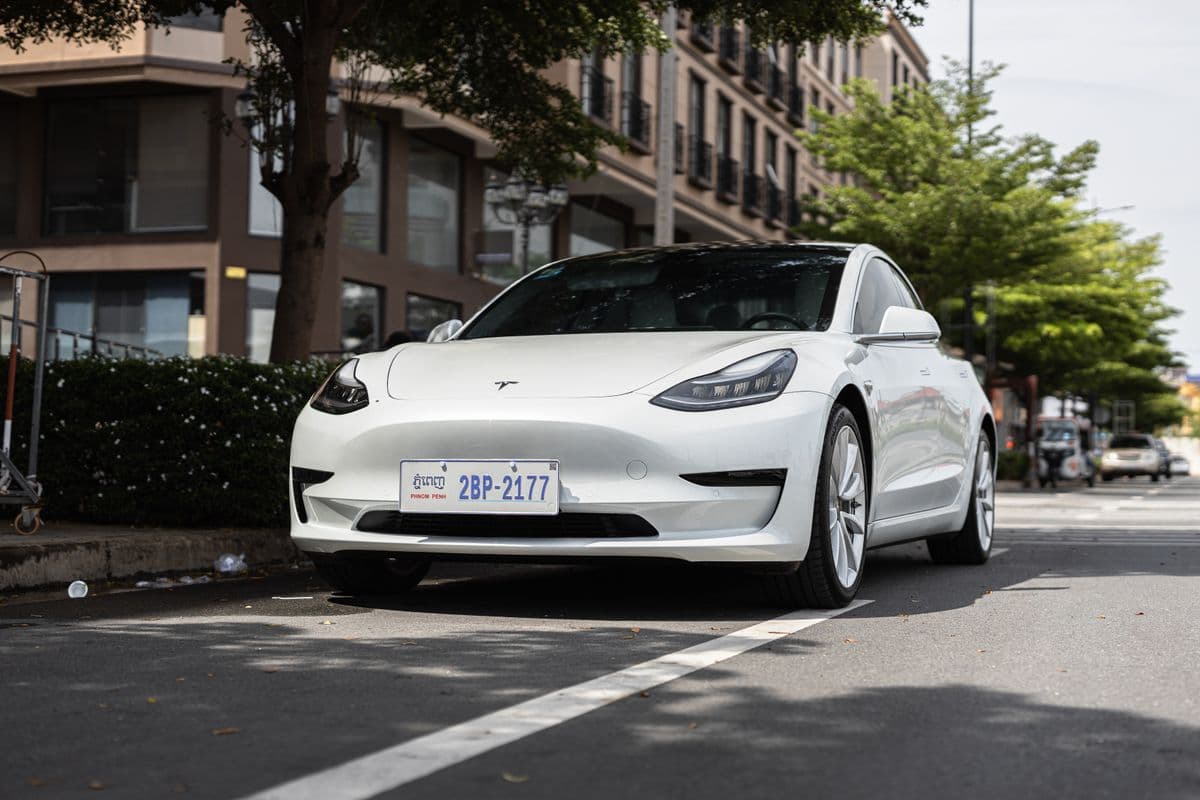
An EV is genuinely worth it in the Philippines in 2026 for most drivers who cover a decent number of kilometers and have a reliable way to charge, whether at home or through a nearby host. The big wins are far lower running costs, with home charging often under 3 pesos per kilometer versus 5 to 8 for petrol, plus simpler maintenance and government incentives under the EVIDA law. The main trade-offs are a higher upfront price and charging access that depends on where you live. For light drivers or those without convenient charging, the case is weaker. Here is the honest breakdown.
Is an EV worth it in the Philippines right now?
The short, honest answer is: for many drivers, yes, and the case keeps getting stronger, but it genuinely depends on your situation. An EV rewards people who drive enough to benefit from the low running costs and who have a practical way to charge. For someone with a long daily commute and a home charger, the math is compelling. For someone who drives rarely and has no convenient charging, the savings shrink and the higher upfront cost is harder to justify.
This is why blanket advice either way is unhelpful. The right question is not whether EVs are good in the abstract, but whether one fits *your* driving, your charging access, and your budget. The good news is that all three factors have moved in the EV's favor over recent years: prices have come down as more models arrive, charging has become far easier to find, and running-cost savings remain substantial. The rest of this guide walks through each piece so you can weigh it for yourself rather than relying on hype or doom.
What does an EV really cost to own?
Total cost of ownership, not the sticker price, is what should drive the decision, and the two can tell very different stories. EVs typically cost more upfront than comparable petrol cars, which is the headline number that gives buyers pause. But that premium is gradually repaid through much lower running costs over the years you own the car, and the crossover point arrives sooner the more you drive.
The savings come from several directions at once:
- Charging is far cheaper than fuel. A home-charged EV often runs around 1.5 to 3 pesos per kilometer versus 5 to 8 for petrol at 2026 prices, a gap we break down in our guide to EV charging costs.
- Maintenance is simpler. No oil changes, fewer moving parts, and brakes that last longer thanks to regenerative braking all mean fewer trips to the shop and lower servicing bills.
- Fuel-price volatility disappears. Your charging cost is far more stable than pump prices that swing month to month, which makes budgeting calmer.
Against these savings sit the higher purchase price, insurance that can differ from a petrol equivalent, and a used-EV resale market that is still stabilizing. The realistic picture is a higher cost up front that pays back over time for higher-mileage drivers, while lighter drivers see a slower, smaller payback. Doing this arithmetic honestly for your own annual mileage is the single most important step in the decision.
What EVIDA incentives are available?
Government policy has tilted the scales toward EVs through the EVIDA law, the Electric Vehicle Industry Development Act, which provides a framework of incentives to encourage adoption. As of 2026, the support has helped narrow the gap between EV and petrol sticker prices, which matters enormously for ordinary buyers weighing the upfront cost.
The incentives have included measures such as reduced or waived import duties on certain electric vehicles and friendlier registration and fee treatment, all aimed at making EVs more affordable and appealing. The exact details, eligible vehicle categories, and the precise level of support can shift over time and from one administration's priorities to the next, so it is wise to treat any specific figure as approximate and confirm the current rules before you buy. The broad direction, though, has been supportive, and that direction has been a meaningful part of why EV prices have edged closer to what an average buyer can stomach.
For most shoppers, the practical effect is simple: incentives reduce the upfront premium, which shortens the payback period and strengthens the overall case. They do not make EVs free or universally cheaper than petrol on day one, but they nudge the math in the EV's favor, particularly when stacked on top of the running-cost savings. When you are comparing specific models, it is worth asking the dealer exactly which incentives apply, since they directly affect the price you pay.
Who is an EV right for?
EVs suit some drivers far better than others, and being honest about this saves a lot of buyer's remorse. The technology is excellent, but it shines brightest for particular profiles and circumstances. Here is who tends to benefit most:
- High-mileage drivers who cover long daily commutes or business kilometers, since the per-kilometer savings add up fastest for them.
- Owners with home charging or a reliable nearby host, who enjoy the convenience and low cost of charging without queueing at public stations.
- City and suburban drivers, because EVs are remarkably efficient in the stop-and-go traffic that frustrates petrol drivers and burns fuel.
- Cost-conscious households doing the long-term math, who value lower running and maintenance costs over the life of the car.
And here is who should think harder before switching:
- Very light drivers who rarely cover enough distance to recoup the higher upfront cost through fuel savings.
- People without convenient charging, such as some condo dwellers or renters where neither home charging nor a nearby host is practical.
- Buyers needing frequent long provincial trips into areas where charging coverage is still thin, who may find a hybrid a better fit for now.
If you fall into the second group, that does not mean an EV is off the table forever, only that the timing or the specific car matters more. A hybrid can be a sensible stepping stone, and charging access improves every month.
Is charging access a dealbreaker?
Charging access is the factor that most often makes or breaks the decision, and it deserves a clear-eyed look rather than wishful thinking. The honest reality in 2026 is that charging is excellent in Metro Manila and the major cities, decent along the popular expressway corridors, and thinner in remote provinces. Whether that is a dealbreaker depends entirely on where you live and drive.
For most metro residents, charging is no longer a serious obstacle. Home charging covers everyday driving, destination charging at malls and offices handles top-ups, and public fast chargers cover trips. Our guide to where to charge in Metro Manila shows just how many options now exist across the capital. The bigger question is for those who cannot install a home charger, but even here the picture has improved dramatically thanks to peer-to-peer charging.
This is where the marketplace genuinely changes the calculation. Instead of depending solely on a handful of public stations, a driver can find a charger hosted by a neighbor, often a short drive away and at a price close to home electricity. For a condo dweller, that hosted charger can effectively become their home charging. Meanwhile, anyone with idle equipment can list their charger and earn from it, which steadily thickens coverage in exactly the residential areas big operators skip. The result is that charging access, the one factor that used to sink the EV case for many, increasingly has a practical answer.
What about the common worries?
Prospective buyers tend to raise the same handful of concerns, and most of them turn out to be more manageable than feared, though a few deserve genuine respect. It is worth addressing them plainly rather than dismissing them.
Battery longevity and replacement cost worry many buyers, but real-world degradation is generally gentler than the myths suggest, and batteries typically last well across many years of normal use. Resale value is a fairer concern, since the used-EV market is still maturing and values are still settling, which affects how the long-term math pencils out. Range anxiety is mostly a planning problem rather than a technical limitation, and it fades quickly once you learn to charge at home and reserve stops in advance. Charging in the rain during the wet season is safe, since the equipment is built for outdoor use, though a little caution never hurts.
The balanced view is that none of these are reasons to avoid an EV outright, but they are reasons to buy thoughtfully: choose a car with a sensible range for your needs, plan your charging before you commit, and go in with realistic expectations. Buyers who do their homework rarely regret the switch, while those who buy on impulse without checking charging access sometimes do.
So, is it worth it?
Putting it all together, an EV is worth it in the Philippines in 2026 for the large group of drivers who cover reasonable distances and have a practical way to charge. The combination of much lower running costs, simpler maintenance, EVIDA incentives that trim the upfront price, and a smooth, quiet driving experience that suits Manila traffic makes a strong case for the right buyer. The more you drive, the stronger that case becomes.
It is not worth it for everyone, and pretending otherwise would be dishonest. Very light drivers, those without any convenient charging, and people who constantly venture into provinces with sparse coverage may find the math or the practicality does not yet add up, and a hybrid stepping stone might serve them better for now. The technology is ready; the question is whether your circumstances are.
The encouraging part is that the trend lines all point the right way. Prices are easing, models are multiplying, and charging keeps getting easier through both public stations and the fast-growing peer-to-peer network. A buyer who matches the right car to their actual life today will enjoy a setup that only gets more convenient over time. If you want to go deeper on the numbers, our guide to EV charging costs and our explainer on how long charging takes fill in the practical detail, and you can always find a charger near you to see for yourself how good the access already is.
Frequently asked questions
Is an EV cheaper to own than a petrol car in the Philippines?
Over time, usually yes, for drivers who cover decent mileage. EVs cost more upfront but save substantially on running costs, with home charging often under 3 pesos per kilometer versus 5 to 8 for petrol, plus lower maintenance. EVIDA incentives further narrow the upfront gap. The payback is faster the more you drive, so high-mileage drivers benefit most.
What incentives are there for buying an EV in the Philippines?
Under the EVIDA law, incentives have included reduced or waived import duties on certain EVs and friendlier registration treatment, which lower the upfront cost. The exact details and eligible categories can change over time, so confirm the current rules before buying. The overall effect is to shorten the payback period and strengthen the case for switching.
Do I need a home charger to make an EV worth it?
Not strictly, but convenient charging of some kind matters. Home charging is cheapest and easiest, but many owners without it rely on nearby peer-to-peer hosts and destination charging, which can work well at a similar low cost. If you have no practical charging option at all, an EV is harder to justify, and a hybrid may suit you better for now.
Is an EV worth it if I mostly drive in Metro Manila traffic?
Yes, traffic actually suits EVs well. Electric motors are most efficient in stop-and-go conditions that burn fuel in a petrol car, and regenerative braking recovers energy every time you slow down. Combined with abundant charging across the metro, city driving is one of the strongest cases for going electric. You can find a charger near your usual routes to confirm the access.
Be our partner
Power the Philippines' electric future with us
Earn from an idle charger, or put your brand in front of EV drivers while they charge. Join the EVChargePH network today.