PH EV Scene
EVIDA Law Explained: EV Incentives & Perks in the Philippines (2026)
By EVChargePH Team · June 15, 2026 · 11 min read
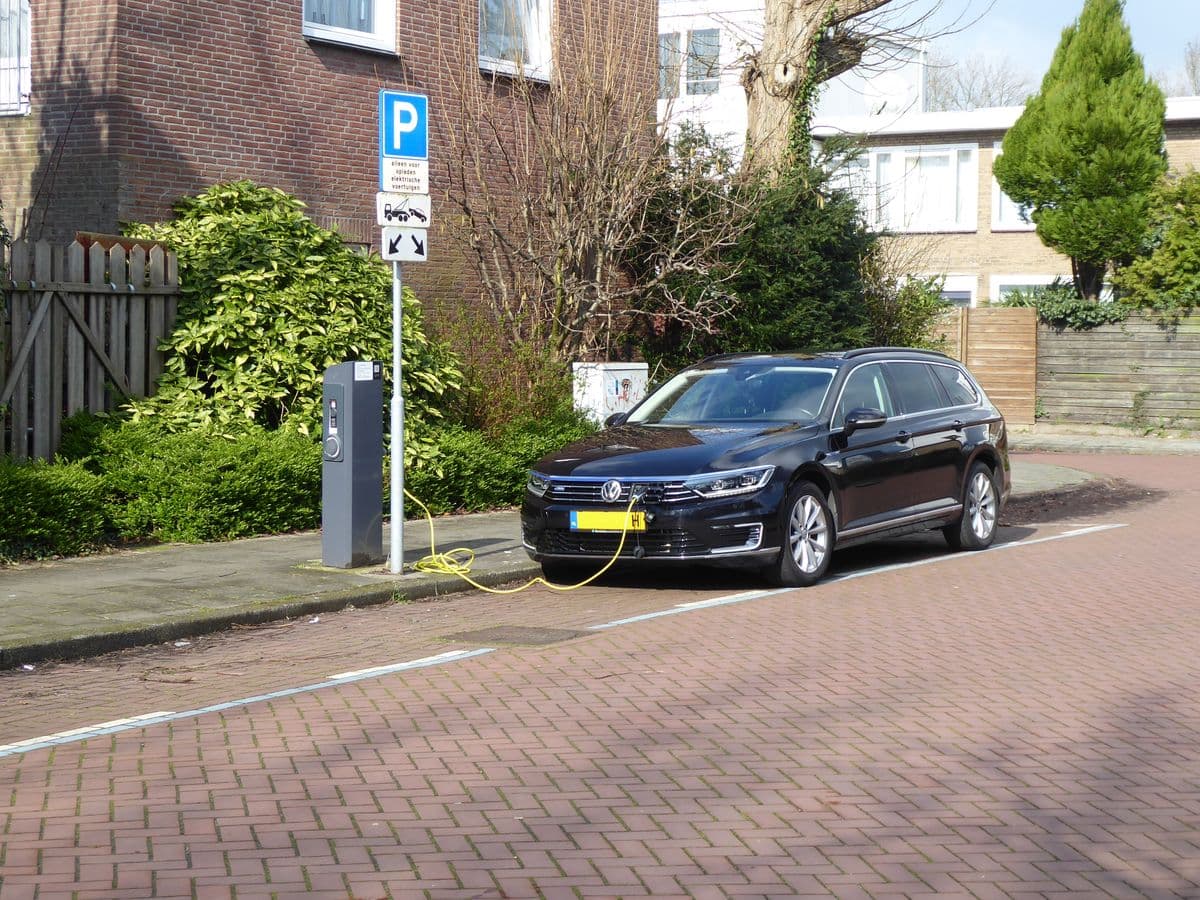
The EVIDA law, Republic Act 11697 or the Electric Vehicle Industry Development Act, is the Philippines' main framework for encouraging electric vehicles. In broad terms it pushes establishments to provide charging, sets targets for certain fleets to electrify over time, and supports a range of buyer-facing perks such as friendlier fees, distinctive green license plates, and other incentives that have shifted the math in favor of going electric. The exact details and figures change over time and from one administration to the next, so this is general information rather than legal advice. Here is what EVIDA does and why it matters for ordinary EV buyers.
What is the EVIDA law?
The EVIDA law, formally Republic Act 11697, is the cornerstone of Philippine policy on electric vehicles. Enacted to accelerate the country's shift toward cleaner transport, it provides a national framework covering the whole ecosystem rather than just the cars themselves, from charging infrastructure to manufacturing to consumer incentives. Its purpose is to make EVs more practical and more affordable while building the supporting infrastructure that adoption depends on.
What makes EVIDA significant is its breadth. Rather than a single subsidy or one-off measure, it sets out a coordinated approach: requirements that nudge establishments and certain fleets toward charging and electrification, incentives that lower the cost of buying and owning an EV, and a direction of travel that gives the whole market confidence to invest. For a buyer weighing an EV in 2026, EVIDA is the backdrop that has helped bring more models, more chargers, and friendlier prices to the market.
It is worth stating plainly that this article explains EVIDA in general terms for everyday readers, not as legal advice, and the precise provisions and their implementation can evolve. If you need the authoritative current detail for a specific decision, official sources and qualified advisers are the right place to confirm it. What follows is the practical shape of the law as it affects ordinary EV shoppers and owners, which pairs naturally with our broader look at whether an EV is worth it.
What does EVIDA require of establishments?
One of EVIDA's notable features is that it does not only encourage people to buy EVs, it also pushes the places they visit to support charging. In broad terms, the law sets expectations for certain establishments, such as larger commercial buildings, to dedicate a portion of their parking or facilities to electric vehicle charging over time. The intent is to make sure that as more people go electric, the places they park already have somewhere to plug in.
This requirement is a quiet but important driver of the charging coverage you now see at malls, offices, and similar venues across the country. Rather than leaving charging entirely to dedicated operators, EVIDA spreads some of the responsibility to the buildings where people naturally spend time, which is exactly where destination charging is most useful. The result is more places to top up while you shop, work, or dine, which our guide to where to charge in Metro Manila reflects in the density of mall and office charging across the capital.
The practical effect for owners is more everyday charging options in the places you already go. Combined with private and peer-to-peer chargers, this establishment-level push helps thicken the network from multiple directions at once. Anyone who installs charging, whether a business or a homeowner, can also list their charger to add to that coverage and earn from it, complementing the formal requirements with grassroots capacity. The exact thresholds and timelines for which establishments must do what can shift, so treat the specifics as approximate and confirm current rules where they matter to you.
What fleet and electrification targets does it set?
Beyond establishments, EVIDA looks at fleets, the larger operators whose vehicles run constantly and rack up enormous mileage. In general terms, the law sets targets encouraging certain categories of fleets to incorporate a share of electric vehicles over time. The logic is sound: a single fleet vehicle covers far more kilometers than a typical private car, so electrifying fleets delivers outsized benefits in cost savings and cleaner air per vehicle converted.
Fleet electrification also helps the broader market in ways individual buyers feel indirectly. As fleets adopt EVs, they create steady demand that encourages more models, better servicing networks, and more charging infrastructure, all of which makes ownership easier for everyone else too. High-mileage operators are exactly the profile for whom the running-cost savings of an EV add up fastest, which is why fleet targets make economic as well as environmental sense. Our guide to EV charging costs shows just how large those per-kilometer savings can be for anyone covering serious distance.
As with the establishment rules, the precise categories, percentages, and timelines for fleet targets can change as the policy is implemented and refined, so the specifics here are best treated as indicative rather than exact. The broad direction, though, is consistent and clear: EVIDA pushes the highest-mileage vehicles toward electrification first, because that is where the impact is greatest. For ordinary buyers, the takeaway is simply that the policy environment is steadily building a larger, more mature EV ecosystem around them.
What perks and incentives does EVIDA offer buyers?
This is the part most buyers care about most, and it is where EVIDA has done real work to narrow the gap between EV and petrol prices. In broad terms, the law and its related measures have supported a range of incentives and perks aimed at making EVs more affordable to buy and more pleasant to own. While the exact figures and eligibility can shift over time, the general categories have included:
- Friendlier fees and duties, such as reduced or waived import duties on certain electric vehicles and more favorable registration treatment, which lower the upfront cost.
- Distinctive green license plates, which visibly mark a vehicle as electric and are part of the policy framework around EVs.
- Possible advantages on certain road and traffic schemes, where electric vehicles may be treated differently from conventional cars in some contexts.
Two of these deserve a note of caution. Anything touching expressway treatment, number-coding exemptions, or similar traffic schemes is exactly the kind of detail that changes over time and can vary by jurisdiction, so any specific claim should be confirmed against current official rules rather than assumed. The same goes for the precise level of fee reductions, which can be adjusted from one period to the next. Framed honestly, the perks have nudged the overall math meaningfully in the EV's favor without making EVs free or universally cheaper than petrol on day one. When comparing specific models, ask the dealer which incentives currently apply, and browse the EV catalog to see what is available.
How does EVIDA affect the price of going electric?
For most shoppers, the bottom-line effect of EVIDA is simple: it shortens the payback period and strengthens the case for switching. By trimming the upfront premium through friendlier fees and duties, the law brings EV sticker prices closer to comparable petrol cars, which matters enormously for ordinary buyers weighing the initial cost. Stacked on top of the running-cost savings from cheap home charging, these incentives make the overall ownership math more attractive than it would be on running costs alone.
It is important to be realistic about the size of the effect. EVIDA's incentives do not eliminate the higher upfront price of many EVs, and they do not make every EV cheaper than every petrol car from day one. What they do is reduce the gap, so that the lower running costs catch up sooner. For a higher-mileage driver, that combination can make an EV the cheaper choice over the ownership period by a comfortable margin, while for very light drivers the case is naturally weaker. Our honest breakdown of whether an EV is worth it walks through exactly how mileage shapes that calculation, and the EV savings calculator lets you run your own numbers.
The encouraging trend is that EVIDA has helped move all the relevant factors in the right direction at once: more models, more chargers, friendlier prices. A buyer matching the right car to their actual driving today benefits from a market that the policy has actively shaped to be more welcoming. To see how the practical side has improved, you can find a charger near you and explore the growing charging network the law has helped encourage.
Frequently asked questions
What is the EVIDA law in simple terms?
EVIDA is Republic Act 11697, the Electric Vehicle Industry Development Act, the Philippines' main framework for promoting electric vehicles. In broad terms it encourages establishments and certain fleets to support charging and electrification, and supports buyer incentives like friendlier fees and green plates. This is general information rather than legal advice, and specifics can change over time.
What incentives does EVIDA give EV buyers?
Incentives have generally included reduced or waived import duties on certain EVs, more favorable registration treatment, and distinctive green license plates, all aimed at lowering the cost of buying and owning an EV. The exact figures and eligibility can shift over time, so confirm current rules before buying. The overall effect is to narrow the price gap with petrol cars.
Does EVIDA give EVs perks on number coding or expressways?
EV policy has at times touched traffic and road schemes, but anything involving number-coding exemptions or expressway treatment changes over time and can vary by jurisdiction. Treat any specific claim as something to confirm against current official rules rather than assume. This article is general information, not a definitive or up-to-date regulatory statement on those schemes.
Does the EVIDA law require buildings to have EV charging?
In broad terms, EVIDA sets expectations for certain establishments, such as larger commercial buildings, to dedicate part of their facilities to EV charging over time. This has helped expand destination charging at malls and offices. The exact thresholds and timelines can change, so treat the specifics as approximate and confirm current requirements where they matter to your situation.
Be our partner
Power the Philippines' electric future with us
Earn from an idle charger, or put your brand in front of EV drivers while they charge. Join the EVChargePH network today.