Cost & Ownership
How Much Does It Cost to Charge an EV in the Philippines? (2026)
By EVChargePH Team · June 13, 2026 · 10 min read
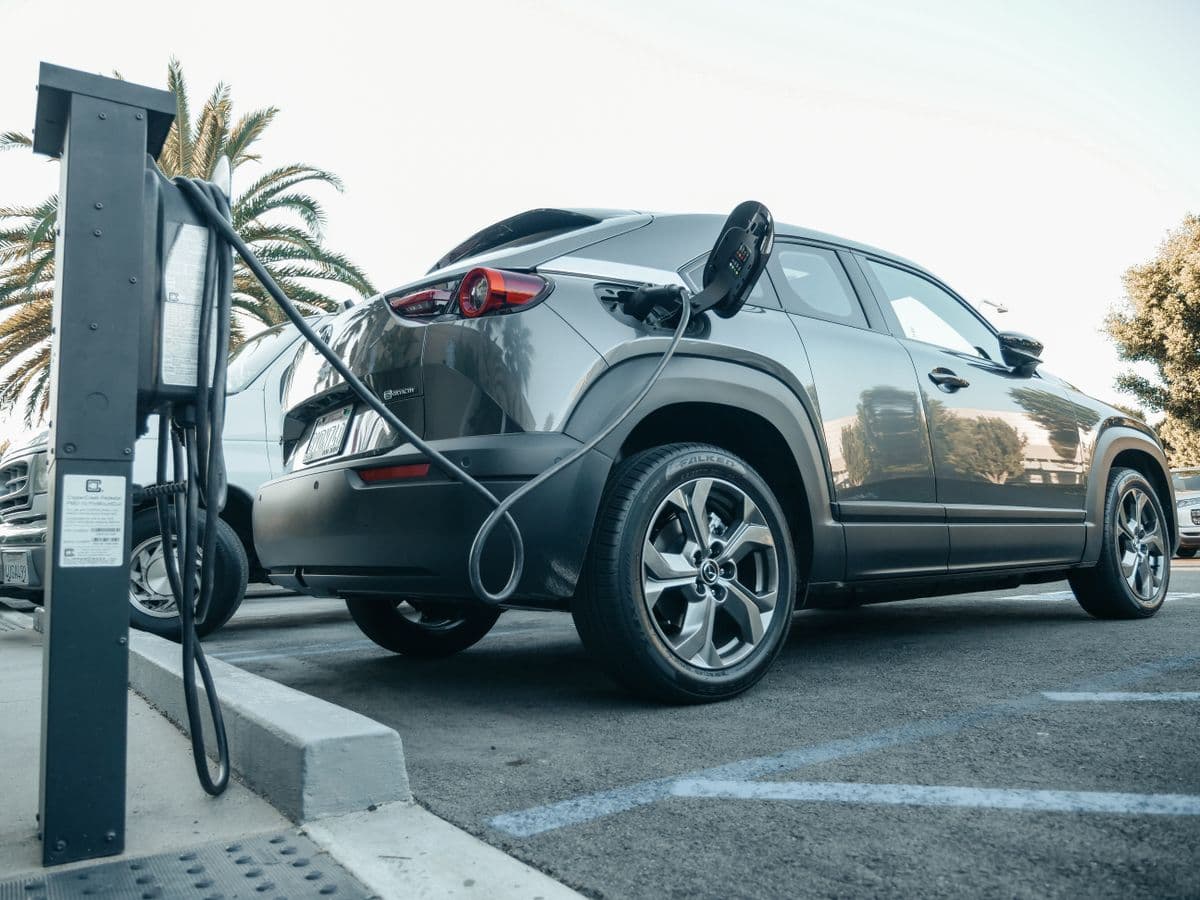
Charging an EV at home in the Philippines costs roughly 11 to 13 pesos per kWh on a typical Meralco residential rate as of 2026. That means a full charge for a common EV with a 40 to 80 kWh battery costs somewhere between about 450 and 1,000 pesos, which usually works out to around 1.5 to 3 pesos per kilometer, often less than half what the same distance would cost in a petrol car. Public DC fast charging costs more per kWh than home charging, while peer-to-peer hosts typically sit somewhere in between. Below is the full breakdown in real pesos.
How much does a full charge cost at home?
Home charging is where most Filipino EV owners do the bulk of their charging, and it is by far the cheapest option. Your cost comes straight from your electricity bill, so the math is refreshingly simple once you know two numbers: your rate per kWh and your battery size.
On a typical Meralco residential tariff in 2026, all-in rates land in the rough range of 11 to 13 pesos per kWh once generation, transmission, distribution, taxes, and the various pass-through charges are added together. Rates move month to month with fuel costs and regulatory adjustments, so treat this as an approximate band rather than a fixed figure. To estimate a full charge, multiply your rate by your usable battery capacity:
- A small city EV with a 40 kWh battery costs roughly 440 to 520 pesos for a full charge.
- A mid-size EV with a 60 kWh battery costs roughly 660 to 780 pesos.
- A larger SUV with an 80 kWh battery costs roughly 880 to 1,040 pesos.
In practice you rarely charge from completely empty to completely full, so your real per-session cost is usually lower than these headline numbers. Most owners top up from something like 30 percent to 80 percent overnight, which trims the figure considerably. If you are still setting up your charging routine at home, it is worth understanding how long charging actually takes so you can plan around cheaper overnight hours rather than charging at the most expensive time of day.
What does it cost per kilometer?
The per-kilometer figure is the number that really matters for your monthly budget, because it lets you compare an EV directly against the petrol car you might be replacing. Most EVs sold in the Philippines use somewhere between roughly 13 and 20 kWh to cover 100 kilometers, depending on the car, your driving style, and how much you lean on the air-conditioning in traffic.
Run the numbers and a clear pattern emerges. At 12 pesos per kWh and a fairly typical consumption of 16 kWh per 100 km, you are spending about 1.9 pesos per kilometer to drive on electricity from home. Even a thirstier, heavier EV in heavy traffic rarely pushes past 3 pesos per kilometer when charged at home. A petrol car covering the same distance, by contrast, commonly costs somewhere in the region of 5 to 8 pesos per kilometer at 2026 pump prices, and more if it is an older or larger vehicle.
That gap is the heart of the financial case for going electric, and it is exactly why so many high-mileage drivers do the switch first. We dig into the bigger ownership picture, including the upfront price and incentives, in our honest look at whether an EV is worth it. But on running cost alone, home charging wins comfortably and consistently.
Is home or public charging cheaper?
Home charging is almost always the cheapest way to refill an EV in the Philippines, and it is not particularly close. The reason is simple: at home you pay only your residential electricity rate, with no markup for the convenience, the location, or the speed of the equipment.
Public charging is a different proposition. DC fast chargers at malls, fuel stations, and along expressways charge a premium per kWh because the operator has to recover the cost of expensive high-power hardware, grid connection upgrades, prime real estate, and ongoing maintenance. As a rough guide for 2026, public fast charging often costs noticeably more per kWh than your home rate, sometimes substantially so, and the fastest chargers tend to command the highest prices. You are paying for speed and convenience, which is entirely fair when you are mid-trip and need range in a hurry.
Slower AC public charging, the kind you find at malls and hotels where you park for a few hours anyway, usually sits between home and fast-charging prices. Here is a sensible way to think about the three tiers:
- Home AC charging is the cheapest and handles the vast majority of everyday driving while you sleep.
- Destination AC charging at malls and hotels is a reasonable middle option, often worth it because you were parking there regardless.
- Public DC fast charging is the most expensive per kWh, best reserved for road trips and genuine top-up emergencies.
The practical takeaway is to charge at home whenever you can and treat fast public charging as the convenience it is rather than your default. You can find a charger near you and compare what nearby options cost before you commit, which makes it easy to avoid overpaying for speed you do not actually need that day.
Where does peer-to-peer charging fit on price?
Between cheap home charging and pricier commercial fast charging sits a third, fast-growing option: peer-to-peer charging, where an ordinary owner shares their home or business charger with nearby drivers for a fee. On a platform like EVChargePH, these hosted chargers typically price somewhere between a pure home rate and a commercial station, which makes them genuinely attractive when you cannot charge at your own place.
This matters most for the many Filipinos who live in condos or rent, where installing a private charger is not always straightforward. For them, a neighbor's hosted charger a short drive away can effectively become their home charging, at a price far closer to residential electricity than to premium fast charging. Because hosts set their own rates, you will see a spread, so it pays to compare. Drivers can find a charger hosted nearby and see the price before booking, while anyone with idle equipment can list their charger and earn from it, which steadily adds more affordable options to the map in exactly the residential areas big operators tend to skip.
What affects your charging cost the most?
Two owners with the same car can end up with very different charging bills, and the difference usually comes down to a handful of factors within your control. Understanding them helps you keep costs at the low end of the ranges above rather than the high end.
- Where you charge. This is the single biggest lever. Home and peer-to-peer charging cost a fraction of premium fast charging, so your mix of charging locations matters more than almost anything else.
- Your electricity rate. Meralco rates differ from provincial cooperatives, and rates drift month to month, so your home cost is not fixed in stone.
- Your driving style. Hard acceleration and constant high speeds raise consumption, while smooth driving and the heavy traffic that EVs handle so efficiently lower it.
- Air-conditioning and weather. Running the aircon hard in Manila heat or sitting in long jams adds to consumption, though far less dramatically than many people fear.
- Charging losses. A little energy is always lost as heat during charging, so the figure on your bill is slightly higher than the energy that reaches the battery. It is a minor factor, but real.
None of these are dramatic on their own, but together they explain why your real-world cost might land at 1.6 pesos per kilometer or 2.6 pesos per kilometer for the same vehicle. The good news is that even at the high end, you are still comfortably below typical petrol costs.
How does charging cost compare to petrol?
For most drivers, electricity is the clear winner on day-to-day running cost, and the gap widens the more you drive. A petrol car at 2026 pump prices commonly costs in the region of 5 to 8 pesos per kilometer, while a home-charged EV usually sits around 1.5 to 3 pesos per kilometer. Over a year of typical Metro Manila driving, that difference adds up to real money that can offset an EV's higher sticker price surprisingly quickly.
The savings are most pronounced for people who cover a lot of kilometers, such as commuters with long daily drives, ride-hailing drivers, and small business owners running deliveries. The more you drive, the faster the lower per-kilometer cost pays back the upfront premium. For lighter drivers the running-cost savings are smaller in absolute terms, which is part of why the full ownership math, covered in our guide to whether an EV is worth it, depends so much on how much you actually drive.
It is worth remembering that charging cost is only one piece of the puzzle. EVs also tend to need less maintenance, with no oil changes and fewer moving parts, which lowers running costs further over the years. But even looking at energy alone, the case is strong: charging an EV in the Philippines is meaningfully cheaper than filling a petrol tank, especially if you do most of it at home.
Frequently asked questions
How much does it cost to fully charge an EV at home in the Philippines?
At a typical 2026 Meralco residential rate of roughly 11 to 13 pesos per kWh, a full charge costs about 450 pesos for a small 40 kWh EV and up to around 1,000 pesos for a large 80 kWh SUV. Most owners charge partially rather than from empty, so real sessions usually cost less. Your exact figure depends on your rate and battery size.
Is it cheaper to charge an EV or fill up a petrol car?
Charging an EV is significantly cheaper. A home-charged EV typically costs around 1.5 to 3 pesos per kilometer, while a petrol car commonly runs 5 to 8 pesos per kilometer at 2026 prices. The savings are largest for high-mileage drivers, and they come on top of lower maintenance costs.
Why is public fast charging more expensive than charging at home?
Public DC fast chargers carry a premium because operators must recover the cost of expensive high-power hardware, grid upgrades, prime locations, and maintenance. You are paying for speed and convenience. For everyday driving, charging at home or using a nearby peer-to-peer host is far cheaper.
How can I lower my EV charging costs?
Charge at home overnight whenever possible, drive smoothly, and reserve expensive fast charging for road trips and genuine emergencies. If you cannot charge at home, compare nearby options and find a charger hosted by a neighbor, which usually costs far less per kWh than a premium commercial fast charger.
Be our partner
Power the Philippines' electric future with us
Earn from an idle charger, or put your brand in front of EV drivers while they charge. Join the EVChargePH network today.