Cost & Ownership
EV Home Charging in the Philippines: Cost, Setup & Installation (2026)
By EVChargePH Team · June 16, 2026 · 11 min read
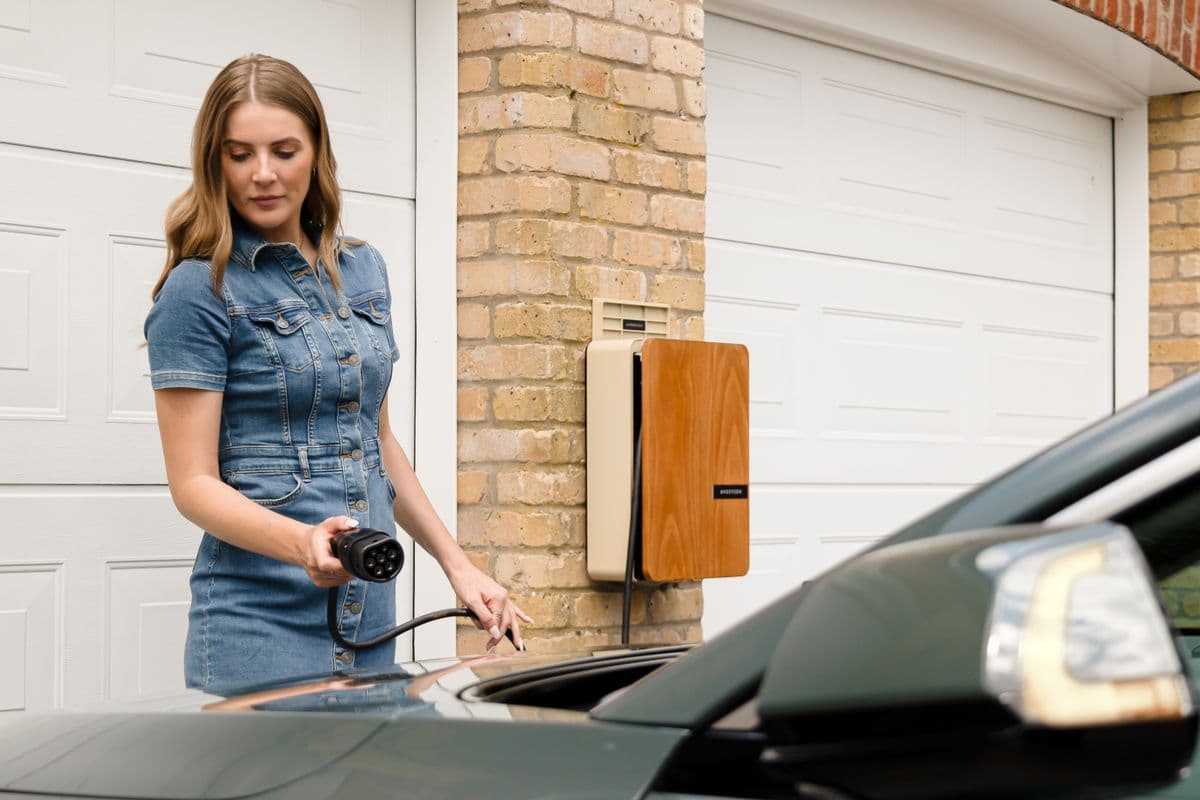
Setting up EV home charging in the Philippines in 2026 usually means installing a wallbox on a dedicated circuit, which an electrician can wire in a day for most homes. Once running, you pay only your residential electricity rate, roughly 11 to 13 pesos per kWh on a typical Meralco tariff, so a full charge for a common EV costs about 450 to 1,000 pesos. A wallbox refills most cars overnight, while a basic trickle charger from a wall socket is much slower and best kept as a backup. Here is the full setup, cost, and installation picture for charging an EV at home.
Should I use a wallbox or a trickle charger?
The first decision for home charging is what you actually plug into, and for most owners a wallbox is the right answer. A wallbox is a wall-mounted AC charging unit, hardwired to its own circuit, that delivers a steady and meaningfully higher charging speed than a household socket. It is the setup that makes overnight charging genuinely effortless, and it is what most Filipino EV owners install once they commit to the car.
The alternative is the trickle charger, also called a portable or granny charger, that plugs straight into an ordinary wall outlet. It almost always comes in the box with the car, costs you nothing extra, and works anywhere there is a socket. The catch is speed: charging from a standard outlet is slow, often adding only a modest amount of range per hour, which can mean a very long time to refill a larger battery. For deeper detail on the timing, our guide to how long it takes to charge an EV breaks down the numbers.
The sensible approach for most households is a wallbox as your primary charger and the trickle charger tucked in the boot as an emergency backup. The wallbox handles your daily driving comfortably overnight, while the trickle charger covers you at a relative's house or anywhere a proper charger is not available. If you drive very little and have all night plus most of the day to charge, a trickle charger alone can technically work, but for most people the convenience of a wallbox is well worth the one-time setup. To understand the connectors involved, our explainer on EV charging connectors is a useful companion.
How much does it cost to charge at home?
Once your wallbox is installed, the running cost is refreshingly simple, because it comes straight off your electricity bill with no markup. On a typical Meralco residential tariff in 2026, all-in rates land in the rough band of 11 to 13 pesos per kWh once generation, transmission, distribution, taxes, and the various pass-through charges are totaled. Provincial cooperatives differ, and rates drift month to month, so treat this as an approximate range rather than a fixed figure.
To estimate a full charge, multiply your rate by your usable battery size:
- A small city EV with a 40 kWh battery costs roughly 440 to 520 pesos for a full charge.
- A mid-size EV with a 60 kWh battery costs roughly 660 to 780 pesos.
- A larger SUV with an 80 kWh battery costs roughly 880 to 1,040 pesos.
In practice you rarely charge from completely empty to completely full, so a real overnight top-up from something like 30 to 80 percent costs noticeably less than these headline numbers. Per kilometer, home charging usually works out to around 1.5 to 3 pesos, often less than half what petrol costs over the same distance. Our dedicated guide to EV charging costs in the Philippines digs into the full math, and the EV savings calculator lets you compare your own driving against a petrol car. The key point is that home charging is by far the cheapest way to refill an EV, and it is what makes the running-cost case so strong.
What does the electrical setup involve?
The heart of a proper home charging installation is a dedicated circuit, and this is the part most worth getting right. A wallbox draws a sustained, significant load for hours at a time, so it should run on its own circuit and breaker rather than sharing one with your aircon, fridge, or other heavy appliances. A dedicated line keeps charging safe, stable, and free from nuisance trips, and it is standard practice for any competent installation.
A licensed electrician handles the actual work, and a typical job for a reasonably accessible setup looks like this:
- Assessing your main panel to confirm there is capacity for the new circuit, and checking whether your service can comfortably support the added load.
- Running a dedicated line from the panel to where the car parks, sized appropriately for the wallbox's rated current.
- Fitting the right breaker and protection, including the earth and any residual-current protection the unit requires.
- Mounting and commissioning the wallbox, then testing that it charges correctly.
Costs vary widely depending on the distance from your panel to the parking spot, the condition of your existing electrical system, and whether any panel upgrade is needed, so it is best to get a quote from an electrician who has done EV installs before. A short, simple run is inexpensive; a long cable route or a panel that needs upgrading costs more. The wallbox unit itself is a separate purchase, often bundled or recommended by the carmaker. The one rule that holds everywhere: do not improvise a high-power charging setup on existing household wiring, because sustained EV loads demand proper, dedicated infrastructure.
Do I need permits for home charging?
For most single-family homes adding one wallbox, the practical requirements are modest, but it is wise to do things properly rather than cut corners. The most important step is using a licensed electrician who installs to code, since safe, correctly rated wiring is what protects your home during the long, high-load charging sessions an EV demands. A professional install is the single best safeguard you can put in place.
Beyond the wiring itself, a few situational considerations come up:
- Homeowners in a subdivision or village may need to notify or get clearance from their homeowners association, particularly if the work touches anything shared or visible.
- Anyone increasing their electrical service capacity to support charging may need to coordinate with Meralco or their local utility for the upgrade.
- Local rules can vary by city and municipality, so where any doubt exists, your electrician or the local office can confirm what applies to your specific property.
This article is general guidance rather than a definitive regulatory checklist, and requirements can differ by location and over time, so confirm the current rules for your area before you start. The reassuring reality is that for a typical house adding a single wallbox, the process is usually straightforward when handled by a qualified electrician. The complications arise mainly in shared buildings, which is a different situation covered in our guide to charging an EV in a condo or apartment.
How long does AC home charging take?
AC home charging is slow by design, and that is exactly what makes it so convenient. Because your car sits parked overnight for eight or ten hours anyway, there is no need to rush. A wallbox gently refills the battery over several hours while you sleep, and you wake to a full or near-full car without having thought about it once. The slow speed becomes invisible because the charging happens during hours you were not using the car.
How many hours specifically depends on your wallbox's power output and your battery size, but the everyday experience is simple: plug in when you get home, unplug when you leave. Most owners never run low enough to need a complete refill, so a typical top-up from around 30 to 80 percent finishes comfortably overnight with hours to spare. A trickle charger from a wall socket is considerably slower and may not fully refill a large battery in a single night, which is the main reason it works better as a backup than a daily driver.
One important detail applies to both: home AC charging is fundamentally different from the DC fast charging you find at public stations. Fast charging can take a car from low to around 80 percent in well under an hour, but it is more expensive and reserved for trips and emergencies, not daily use. Home charging trades speed for cost and convenience, which is the right trade for the bulk of your driving. When you do need to charge away from home, you can find a charger nearby or browse options on the charging directory, and our look at whether an EV is worth it weighs how much home charging access shapes the overall ownership case.
Is home charging worth the setup cost?
For anyone who can install a wallbox, the answer is almost always yes, because the one-time setup cost is repaid quickly through cheap, convenient charging. Once the wallbox is in, every overnight charge draws straight from your residential rate with no premium for location, speed, or convenience. Over a year of typical driving, the savings against petrol comfortably justify the installation, and the everyday convenience of waking to a full car is hard to overstate.
The setup cost is genuinely a one-time investment rather than an ongoing burden. After installation, your only recurring cost is the electricity itself, which sits at the cheapest rate available to you. Compared with relying solely on public charging, where you pay a premium per kWh, home charging pays for its own setup over time and then keeps saving you money for as long as you own the car. The EV savings calculator helps you see how that plays out for your own mileage.
The main exception is for those who cannot install a wallbox at all, such as many condo dwellers and renters, where the calculation is different and a mix of destination and peer-to-peer charging often fills the gap instead. If that is your situation, our guide to charging an EV in a condo or apartment is the better starting point. But for a typical homeowner with a parking spot, installing a wallbox is one of the best moves you can make for stress-free, low-cost EV ownership. You can also list your charger once it is installed, earning from it during the hours you are not charging and helping neighbors who cannot set up their own.
Frequently asked questions
How much does it cost to charge an EV at home in the Philippines?
At a typical 2026 Meralco residential rate of roughly 11 to 13 pesos per kWh, a full charge costs about 450 pesos for a small 40 kWh EV and up to around 1,000 pesos for a large 80 kWh SUV. Most owners charge partially rather than from empty, so real sessions cost less. That usually works out to around 1.5 to 3 pesos per kilometer, far cheaper than petrol.
Do I need a special wallbox, or can I just use a wall socket?
You can use the portable trickle charger that comes with the car from an ordinary socket, but it is slow and best kept as a backup. For daily use, a wallbox on a dedicated circuit charges far faster and refills most cars comfortably overnight. Most owners install a wallbox as their primary charger and keep the trickle charger for emergencies.
Do I need a permit to install an EV charger at home in the Philippines?
For a typical single-family home adding one wallbox, the main requirement is a licensed electrician installing to code. Some subdivisions or homeowners associations may want clearance, and increasing your service capacity can mean coordinating with Meralco. Rules vary by location, so confirm locally before starting. This is general guidance, not a definitive regulatory checklist.
How long does it take to charge an EV at home?
A wallbox typically refills most cars overnight, so you plug in when you get home and wake to a full battery. The exact time depends on the wallbox power and battery size, but the slow speed is invisible because the car charges while you sleep. A trickle charger from a wall socket is much slower and may not fully refill a large battery in one night.
Be our partner
Power the Philippines' electric future with us
Earn from an idle charger, or put your brand in front of EV drivers while they charge. Join the EVChargePH network today.