Buying Guide
Best Dashcams for Your EV in the Philippines (2026)
By EVChargePH Team · July 31, 2026 · 9 min read
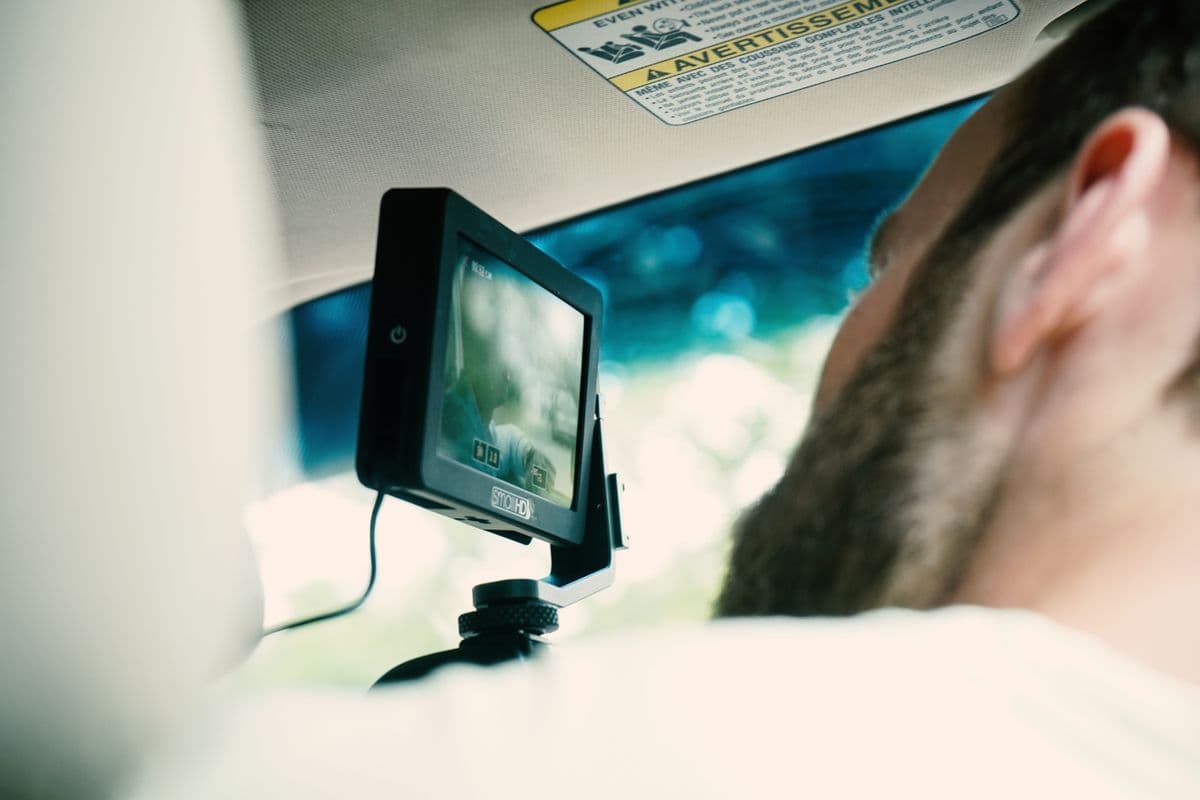
The best dashcam for your EV in the Philippines is one with a reliable parking mode, sharp 1440p or higher front video, and a hardwiring kit that draws from the 12-volt system without flattening it. For most owners that means a front-and-rear setup in the roughly 4,000 to 15,000 peso range, mounted discreetly behind the mirror and wired to keep recording while the car is parked. A good dashcam Philippines buyers can rely on protects you against the two things that matter most here: chaotic traffic and parking-lot scrapes you never saw happen. Here is how to choose one for an electric car, and what to actually spend.
Why does an EV owner want a dashcam?
An electric car is a quiet, valuable machine that spends a lot of its life parked in crowded Philippine lots, so a dashcam is one of the cheapest forms of protection you can add. On the road, a camera gives you an unarguable record when a jeepney cuts across three lanes or a motorcycle weaves into your door, which is exactly the kind of dispute that is otherwise your word against theirs. Off the road, it watches over the car while you shop or work, capturing the trolley dent, the careless door-swing, or the hit-and-run that would otherwise cost you a deductible and a headache.
There is a specific reason EV owners lean into this more than most. EVs are still a premium purchase, they draw curious attention, and their near-silent operation means you often will not hear a low-speed bump happen at all. A dashcam fills that gap, turning "I think something hit the car" into a timestamped clip. If you are still weighing the ownership case, our honest look at whether an EV is worth it treats protection and running costs as part of the same picture, and a camera is a small line item against the value of the car it guards. It also pairs naturally with the rest of a sensible kit, which we round up in our guide to essential accessories for a new EV.
Think of the dashcam as the one accessory that earns its keep on a day you hope never comes. Most weeks it records nothing you will ever watch. But the single incident it captures, a disputed collision or a parking-lot hit-and-run, can pay for the device many times over. For a car as valuable as an EV, that is an easy trade, and it is why a camera sits near the top of most owners' shopping lists alongside charging gear from the EV accessories hub.
What is parking mode, and how does hardwiring work?
Parking mode, sometimes marketed as sentry mode, is the feature that turns a dashcam from a driving recorder into a round-the-clock guard, and it is the single most important capability for an EV owner. With parking mode active, the camera keeps watching after you switch the car off, waking to record when it detects motion nearby or a physical impact. That is what captures the shopping-trolley scrape or the neighbour who reverses into your bumper and drives away.
The catch is power. To record while the car is off, the dashcam needs a live electrical feed, which means hardwiring it to the car's 12-volt system rather than relying on the accessory socket that dies when you park. A hardwire kit taps into the fuse box and runs a discreet cable to the camera, giving it constant power for parking mode. Any competent auto electrician can fit one in under an hour, and it also tidies away the dangling cable of a socket-powered install.
For an EV there is one nuance worth understanding. Your electric car has a large traction battery for driving and a separate small 12-volt battery for the electronics, and it is the 12-volt system a dashcam draws from. If the car sits unplugged for days, a camera recording continuously can slowly pull that 12-volt battery down, so you want a hardwire kit with a low-voltage cutoff that stops drawing before the battery gets too low. The good news is that when your EV is plugged in at home, the car generally keeps the 12-volt system topped up, so a dashcam left in parking mode overnight is rarely a problem for a car that charges where it sleeps. Our guides to EV home charging and choosing a home wallbox cover that charging setup, which is what makes overnight parking mode painless.
Should you get a front-only or front-and-rear dashcam?
The choice between a single front camera and a front-and-rear pair comes down to how much of the chaos around you it can see, and in Philippine traffic there is a lot happening behind you. A front-only camera is cheaper, simpler to install, and captures the incidents ahead, which is where many collisions and most of your driving evidence live. For a tight budget, a good front-only unit is far better than nothing.
A front-and-rear setup, though, is what most owners settle on, because so many local incidents come from behind: the tailgater who rear-ends you, the motorcycle that filters up your flank, or the car that clips your bumper while parking. The rear camera also doubles as a parking guard for the back of the car, which is where a lot of lot damage happens. The rear unit connects to the front camera with a long cable run along the headliner, so a front-and-rear install is a little more involved but well within an auto electrician's routine.
A few owners go further with an interior-facing lens, which mainly matters if you drive for a ride-hail platform or want a record inside the cabin. For a private EV owner, front-and-rear is the sweet spot that covers the incidents you are realistically exposed to without over-complicating the install. If any of the jargon around channels and lenses trips you up, the EV glossary is a quick reference, and the broader accessories checklist shows where the camera fits among your other first purchases.
What resolution and storage does a dashcam need?
Resolution decides whether the footage is actually useful, because a clip that cannot resolve a plate number is only half an alibi. 1080p is the sensible floor, 1440p (2K) is the value sweet spot that most mid-range cameras now hit, and 4K on the front channel is a premium nicety that helps read plates at distance. Just as important as raw resolution are good low-light and HDR performance, since a lot of Philippine driving and most parking incidents happen at night or in dim car parks where cheap sensors smear into noise.
Storage is the other half of the equation, and it is where new buyers often trip up. Dashcams record continuously in a loop onto a microSD card, overwriting the oldest footage as they go, and parking mode fills that card faster because the camera keeps writing while you are away. Two practical rules follow:
- Use a high-endurance microSD card. Ordinary cards are not built for the constant write cycles of a dashcam and fail early, while endurance-rated cards are made for exactly this duty and cost little more.
- Size the card for your habits. A larger card holds more history before it loops, which matters if you use parking mode heavily or want several days of footage on hand before it overwrites.
Match a 1440p camera with a decent endurance card and you have a setup that reliably captures clear, usable footage on the road and in the lot. It is a modest spend for the peace of mind, and it slots in alongside the charging and protection gear in the EV accessories hub.
How much does the best dashcam in the Philippines cost?
Prices move constantly, so treat these as indicative 2026 bands rather than fixed quotes, but the dashcam Philippines market sorts fairly cleanly into three tiers. At the entry level, roughly 1,500 to 3,500 pesos, you get a capable front-only 1080p camera, fine for basic driving evidence and light use. The mid-range, roughly 4,000 to 8,000 pesos, is where most EV owners should look: front-and-rear coverage, 1440p video, and proper parking mode with an available hardwire kit. The premium tier, roughly 9,000 to 15,000 pesos or more, buys 4K front resolution, better night performance, cloud or app connectivity, and more sophisticated parking protection.
On top of the camera itself, budget a small amount for a hardwire installation by an auto electrician, which is what unlocks reliable parking mode, plus the cost of a good endurance memory card. Those two extras are easy to overlook but they are what turn a boxed camera into a system that actually guards your car around the clock.
For most owners, the honest answer to which is the best dashcam is a well-reviewed mid-range front-and-rear model with parking mode, a low-voltage-cutoff hardwire kit, and an endurance card, installed tidily behind the mirror. That combination covers the real risks an EV faces on Philippine roads and in car parks without overspending. When you are ready to build out the rest of your kit, see the full essential EV accessories checklist, compare cars in the EV catalog, and if you host a charger you can even list it to earn while your own car sits safely recording. To keep up with more buying guides, browse the EV news hub.
Frequently asked questions
Do I need to hardwire a dashcam in an EV?
Only if you want parking mode. A dashcam plugged into the accessory socket records while you drive but switches off when you park. Hardwiring it to the 12-volt fuse box gives constant power so the camera can keep watching while the car is parked. Choose a hardwire kit with a low-voltage cutoff so it stops before draining the EV's small 12-volt battery.
Will a dashcam drain my EV battery?
It draws from the car's small 12-volt battery, not the main traction pack, and a good hardwire kit with a low-voltage cutoff stops before that battery runs low. When your EV is plugged in at home, the car generally keeps the 12-volt system topped up, so overnight parking mode is rarely an issue for a car that charges where it sleeps.
How much does a good dashcam cost in the Philippines?
As an indicative 2026 range, entry-level front-only cameras run roughly 1,500 to 3,500 pesos, mid-range front-and-rear units with parking mode roughly 4,000 to 8,000 pesos, and premium 4K systems roughly 9,000 to 15,000 pesos or more. Budget a little extra for a hardwire install and a high-endurance memory card, which are what make parking mode reliable.
Is a front-and-rear dashcam worth it?
For most EV owners, yes. A large share of local incidents come from behind, from tailgaters to filtering motorcycles to parking bumps, and a rear camera captures them while also guarding the back of the car when parked. Front-only is a fine budget choice, but front-and-rear is the sweet spot that covers the risks you are realistically exposed to.
Be our partner
Power the Philippines' electric future with us
Earn from an idle charger, or put your brand in front of EV drivers while they charge. Join the EVChargePH network today.