Charging 101
EV Charging Connectors Explained: Type 2, CCS2, CHAdeMO & GB/T (Philippines)
By EVChargePH Team · June 11, 2026 · 10 min read
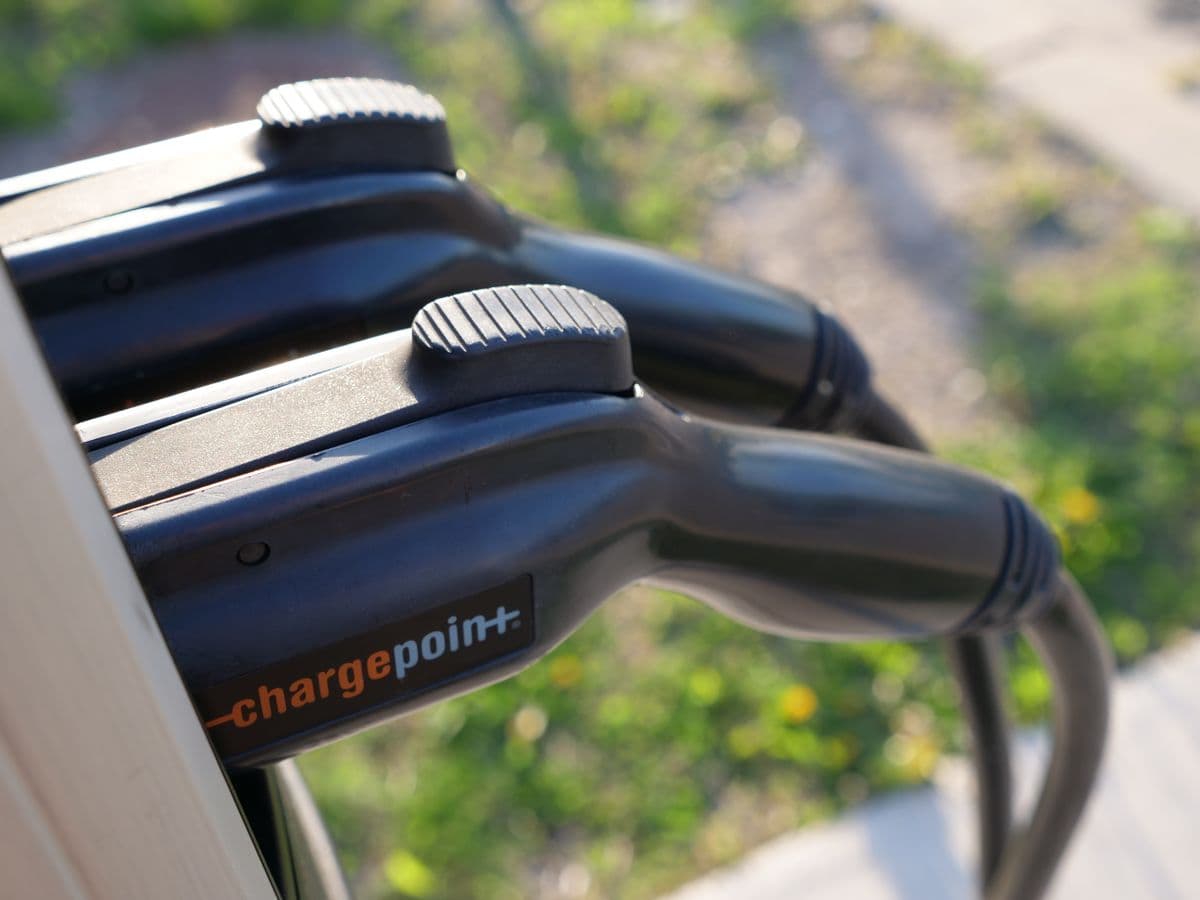
Most EVs sold in the Philippines in 2026 use a Type 2 connector for slower AC charging and CCS2 for DC fast charging, and the two are combined into a single port on the car. A handful of older or specific models use CHAdeMO for DC fast charging, while some China-sourced vehicles and many electric motorcycles use the GB/T standard. The simplest way to know which you need is to look at your car's charging port and check the manual. Here is what each connector is, which cars use it, and how to avoid plugging into the wrong thing.
What are the main EV connectors in the Philippines?
EV charging connectors come in two broad families: ones for AC charging, which is slower and used at home and at destinations, and ones for DC fast charging, which is much faster and used on trips. A single car usually has one port that accepts both, so understanding the pairing matters more than memorizing every plug in isolation.
In the Philippine market as of 2026, four connector types come up most often:
- Type 2 handles AC charging and is the dominant home and destination standard for cars.
- CCS2 handles DC fast charging and builds directly on the Type 2 shape, adding two large pins below it.
- CHAdeMO is an older DC fast-charging standard found on certain models, gradually becoming less common.
- GB/T is the Chinese standard, used by some China-sourced cars and very widely on electric motorcycles and tricycles.
If this already feels like alphabet soup, do not worry. For most buyers the practical reality is simple: a typical new EV uses Type 2 plus CCS2, and that combination covers the overwhelming majority of public and home charging you will encounter. The difference between AC and DC also explains why charging speeds vary so dramatically, a topic we cover in our guide to how long charging takes.
Type 2: the AC charging standard
Type 2 is the connector you will use most often, because it handles the AC charging you do at home overnight and at malls, hotels, and offices where you park for a while. It is a seven-pin plug that has become the de facto AC standard across the Philippine car market, mirroring the European norm that many locally available models are designed around.
When you charge at home on a wallbox or at a destination AC charger, you are almost certainly using Type 2. AC charging is slower than DC fast charging, but that is perfectly fine for the situations Type 2 is built for: long parking sessions where the car has hours to fill gently. Because it is so widespread, Type 2 is also the standard most peer-to-peer hosts offer, since it matches what their own cars use. Drivers can find a charger and check the connector before booking, and anyone setting up to host can list their charger knowing Type 2 will suit the broadest range of visiting cars.
The key thing to remember is that Type 2 is about everyday, unhurried charging. It is not designed for the rapid mid-trip top-ups you get from a fast charger, and it does not need to be. For that, you need its bigger sibling.
CCS2: the DC fast-charging standard
CCS2, short for Combined Charging System 2, is the DC fast-charging standard used by most new EVs sold in the Philippines. Its clever design is right there in the name: it combines the familiar Type 2 AC plug with two additional high-power DC pins below it, so a single port on your car accepts both your slow home charger and a fast public charger.
This is why CCS2 has become the practical default. When you pull into a fast charger at a mall, fuel station, or expressway stop and connect that larger plug with the two big pins, you are using CCS2 to pour energy in at high speed, taking many EVs from low to around 80 percent in well under an hour. The 80 percent figure matters because charging deliberately slows down past that point to protect the battery, which is why fast-charging stops are usually planned around reaching 80 rather than 100.
For most buyers in 2026, the safe assumption is that a new EV will use Type 2 and CCS2 together. That combination unlocks the largest share of public charging across Metro Manila and the expressway corridors. If you are mapping out where you can reliably plug in around the capital, our guide to where to charge in Metro Manila walks through the options city by city.
What about CHAdeMO and GB/T?
Two other connectors round out the picture, and while neither is the mainstream choice for new cars, both still matter depending on what you drive.
CHAdeMO is an older DC fast-charging standard, originally championed by certain Japanese manufacturers. Some EVs in the Philippines, particularly older or specific imported models, use CHAdeMO for fast charging instead of CCS2. It still works perfectly well where supported, but it is gradually becoming less common as the market consolidates around CCS2, which means CHAdeMO drivers should pay a little more attention to whether a given fast charger supports their plug before relying on it.
GB/T is the Chinese national standard, and it shows up in two places. Some China-sourced cars use it, and crucially it is extremely common on electric motorcycles, scooters, and tricycles, which make up a huge and fast-growing share of electric mobility in the Philippines. If you ride electric rather than drive, there is a good chance GB/T is the standard that matters to you.
Here is a quick way to keep the four straight:
- Type 2 for AC, on most cars.
- CCS2 for DC fast, on most new cars, built onto the Type 2 shape.
- CHAdeMO for DC fast, on certain older or specific cars.
- GB/T on some China-sourced cars and most electric two- and three-wheelers.
The variety can feel daunting, but in everyday practice you only ever need to know the one or two your own vehicle uses.
How do I know which connector my car needs?
The most reliable way to know is also the simplest: look at your car's charging port and check the owner's manual. The port physically only accepts the connectors your car is built for, so you cannot force the wrong plug in. The manual will state plainly which AC and DC standards your vehicle supports, removing any guesswork.
A few practical habits make this even easier:
- Inspect the port shape when you first get the car, so you instantly recognize a compatible plug at a charger.
- Note both your AC and DC standards, since they are usually different connectors handled by the same combined port.
- Check before booking when using public or peer-to-peer chargers, because a listing will state its connector type and you want a match.
- Ask the seller or dealer directly if you are buying, especially for imported or used cars where the standard is less predictable.
When you reserve through a marketplace, the connector type is part of the listing, so you can confirm compatibility before you ever leave home. You can find a charger that matches your plug, which sidesteps the classic frustration of driving to a charger only to discover it speaks a different language than your car. For deeper questions about a specific listing or a mismatch, the help page is a good place to start.
Do I need an adapter?
Sometimes, yes. Adapters exist to bridge between standards, and they can be genuinely useful, but they come with caveats worth understanding before you rely on one. The most common scenario is an AC adapter that lets a car charge from a connector it would not natively accept, which can widen the set of places you can plug in.
DC fast-charging adapters are a trickier matter. High-power DC charging pushes a lot of energy, so adapters between fast-charging standards are less common, can be expensive, and are not always officially supported by carmakers. The safest approach is to treat your car's native connectors as your default and view adapters as occasional conveniences rather than a substitute for compatibility.
A sensible rule of thumb: if you find yourself needing adapters constantly just to charge day to day, something is off with your charging plan, and you would be better served by focusing on chargers that natively match your car. Because Type 2 and CCS2 dominate the Philippine market, most new-car owners rarely need an adapter at all. If you ride a GB/T electric motorcycle, your charging ecosystem is somewhat separate, and you will generally look for GB/T-compatible options rather than adapting a car charger. When in doubt, confirm the connector on the listing and find a charger that already speaks your car's language, which is almost always simpler and safer than chaining adapters together.
Frequently asked questions
What connector do most EVs in the Philippines use?
Most new EVs sold in the Philippines in 2026 use Type 2 for AC charging and CCS2 for DC fast charging, combined into a single port. This pairing covers the large majority of home, destination, and public fast charging. A few models use CHAdeMO for fast charging, and some China-sourced cars and most electric motorcycles use GB/T.
What is the difference between AC and DC charging connectors?
AC connectors like Type 2 handle slower charging at home and destinations where you park for hours. DC connectors like CCS2 and CHAdeMO deliver much higher power for fast mid-trip charging. Many cars use one combined port that accepts both, which is why CCS2 is built onto the Type 2 shape. The connector difference is the main reason charging speeds vary so widely.
How do I find out which connector my EV uses?
Look at your charging port and check the owner's manual, which states your AC and DC standards plainly. The port only physically accepts compatible plugs, so you cannot insert the wrong one. When booking public or peer-to-peer charging, the connector type is listed, so you can find a charger that matches before you drive over.
Do I need an adapter to charge my EV?
Usually not, if your car uses the common Type 2 and CCS2 combination, since most chargers support those. Adapters exist mainly for AC charging and can widen your options, but DC fast-charging adapters are less common and not always officially supported. It is generally safer to use chargers that natively match your car than to depend on adapters.
Be our partner
Power the Philippines' electric future with us
Earn from an idle charger, or put your brand in front of EV drivers while they charge. Join the EVChargePH network today.