Buying Guide
Best E-Bikes in the Philippines (2026): Buying Guide
By EVChargePH Team · July 24, 2026 · 11 min read
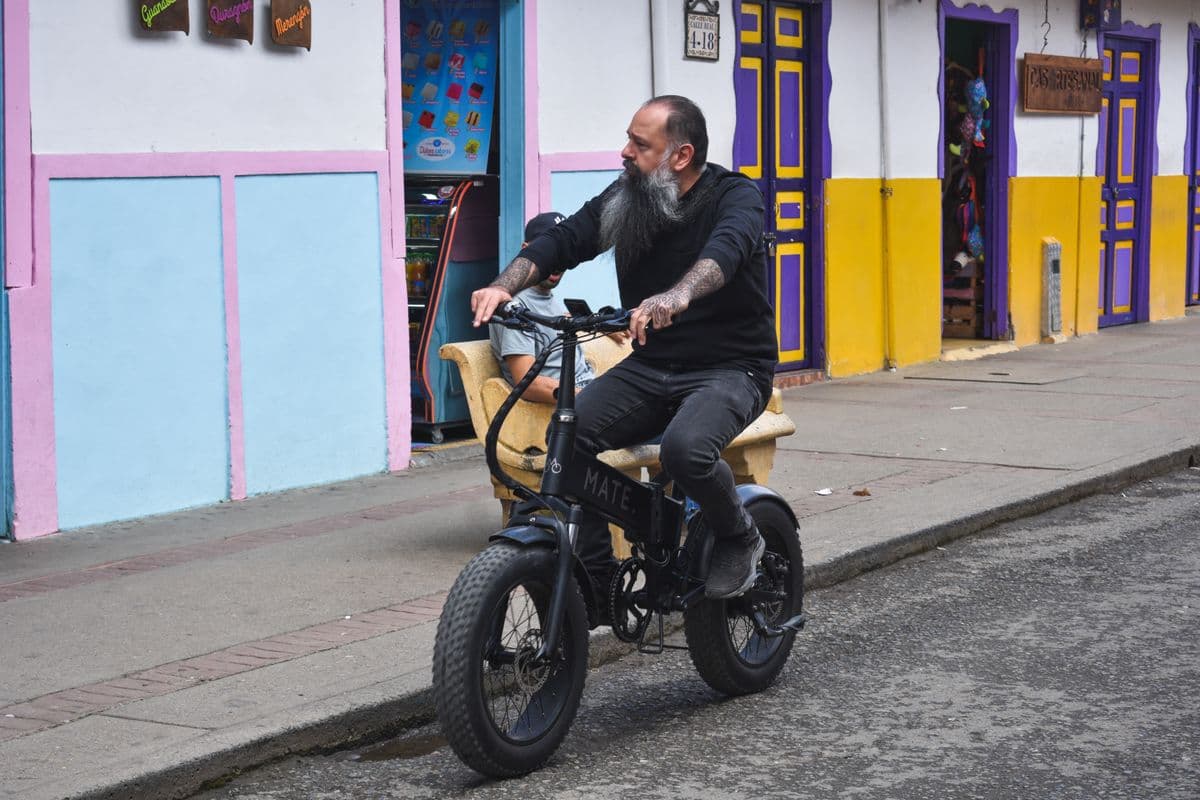
The best e-bike in the Philippines for 2026 is not a single model but the one matched to your commute, your budget, and how you like to ride. The two decisions that shape everything else are the drive type, throttle versus pedal-assist, and the range you need, which depends on your daily distance and the local heat and traffic. Prices span a wide band and higher-powered units may need LTO registration, so treat the figures here as indicative for 2026 and confirm the current rules before you buy. Here is how to choose an electric bike in the Philippines without overpaying or under-buying.
How do I choose the best e-bike in the Philippines?
Choosing an e-bike in the Philippines starts with an honest look at how you will actually use it, because the right electric bike for a short barangay commute is very different from the one for a long city ride. Before comparing brands or specs, picture your typical trip: how far, on what kind of roads, with how many hills, and whether you want to pedal at all. That single picture narrows the field faster than any spec sheet.
From there, a handful of factors decide the shortlist. Drive type sets the character of the ride, battery capacity sets the range, and build quality sets how long the bike lasts on rough Philippine roads. Weight matters if you carry the bike up stairs or into a condo lift, and after-sales support matters enormously, since a brand with local service and spare parts will save you grief later. An e-bike is a long-term purchase, so the cheapest unit is rarely the best value once you factor in parts and reliability.
It also helps to see the e-bike as one option within a wider family of light electric vehicles. If you find yourself wanting more speed or a seated ride, a kick or seated electric scooter or an electric motorcycle may suit you better, while heavier hauling points toward an electric tricycle. Our light-EV hub gathers these categories in one place so you can compare them before committing, and the broader EV glossary explains any term that trips you up.
Throttle or pedal-assist: which type should you buy?
The single most important choice when buying an e-bike is the drive type, because it changes how the bike feels and how it is treated on the road. A throttle e-bike moves under motor power alone when you twist a grip or press a lever, so you can ride without pedaling at all, much like a small scooter. A pedal-assist e-bike, sometimes called a pedelec, only adds motor power while you are pedaling, boosting your own effort rather than replacing it.
Each style suits a different rider. Throttle bikes are popular with commuters who want an effortless ride in heavy heat and traffic, since you can set off from a stop without breaking a sweat. Pedal-assist bikes appeal to riders who want exercise, a longer range from the same battery, and a more bicycle-like feel, since your pedaling stretches every charge further. Many modern e-bikes offer both, letting you choose throttle for a tiring stretch and pedal-assist for the rest.
Beyond feel, the drive type can affect how your unit is classified. In broad terms, lower-powered and slower units tend to be treated more leniently, while faster, more powerful throttle bikes edge closer to the rules that apply to motorcycles. That is a general pattern rather than legal advice, and we cover it more fully below, but it is worth knowing before you fall in love with a fast throttle model that may carry registration obligations. Pairing the right drive type with the right power rating keeps both your ride and your paperwork simple.
How much do e-bikes cost in the Philippines?
E-bike prices in the Philippines span a very wide band, so setting a realistic budget is one of the first useful steps. At the entry end, basic e-bikes with modest motors and smaller batteries generally start in the low tens of thousands of pesos, making them one of the most affordable ways to get powered personal transport. Mid-range models with better batteries, sturdier frames, and longer range sit higher, and premium e-bikes with strong motors, large-capacity batteries, and quality components run higher still. Treat these as indicative 2026 bands rather than fixed prices, since promotions, imports, and currency movements shift the numbers constantly.
What you are really paying for as the price climbs is usually some combination of the following:
- Battery capacity, the biggest driver of range and often the most expensive single component, so a longer-range bike costs more largely because of its battery.
- Motor quality and power, which affects how well the bike handles hills, load, and stop-start city riding.
- Frame, brakes, and components, where sturdier builds and better brakes cost more but last longer and stop more safely on wet roads.
- Brand and after-sales support, since a brand with local service centers and spare-parts availability is worth paying a little more for.
The cheapest bike on the listing is not always the best value, because a bargain unit with a weak battery and no local support can cost more over its life once you replace parts or the battery early. A useful rule is to buy a slightly better bike than the bare minimum your commute needs, so you have headroom and a longer service life. Because charging an e-bike costs only a few pesos, the running cost is tiny either way, so the purchase price and durability matter far more than energy cost, a point our guide on charging light EVs safely reinforces.
How much range do you get, and how do you care for the battery?
Range is the number buyers fixate on, and the honest answer is that real-world range is usually less than the headline figure, so plan around a buffer. Advertised range is measured under ideal conditions, often with light riders on flat ground at gentle speed. In Philippine conditions, with heat, hills, heavier loads, stop-start traffic, and full throttle use, expect meaningfully less. The safe approach is to buy more range than your daily distance needs, so you are not charging anxiously every day or stranded on a longer trip.
Battery care is where an e-bike owner has the most control over long-term value, because the battery is the costliest part and the one most affected by habits. A few practices stretch its life considerably:
- Avoid running the battery flat regularly, since deep discharges are hard on lithium cells, so top up before it hits empty rather than draining it to zero every time.
- Do not leave it at full charge in the heat for long periods, as heat and prolonged full charge both age a battery faster, a real concern in the Philippine climate.
- Charge in a cool, ventilated spot with the correct charger for your battery, never an ill-matched cheap replacement, which is both a longevity and a safety issue.
- Store it partly charged if you will not ride for a while, rather than leaving it full or empty for weeks.
These habits mirror the advice for larger EVs, and our explainer on EV battery health covers the same chemistry in more depth. The payoff is real: a well-treated battery holds its range longer and delays the significant cost of replacement. When the day comes that range has dropped noticeably, our guide on charging an e-bike safely explains when a battery is worth replacing and how to do it without cutting dangerous corners.
How are e-bikes classified and registered in the Philippines?
This is the area buyers most often overlook, and it matters, because not all e-bikes are treated the same under Philippine rules. In broad terms, the classification depends on how fast and how powerful the unit is. Slower, lower-powered e-bikes are generally treated more leniently and are often restricted to certain roads such as barangay streets and bike lanes, while faster, more powerful units are classified closer to motorcycles and can carry obligations like registration, plates, a driver's license, and helmet use. Where exactly your specific unit falls depends on its rating and the current regulations.
The practical takeaway is to ask before you buy, not after. A reputable seller should be able to tell you which category a model falls into and what, if anything, is required to ride it legally on the roads you intend to use. Because the lines are drawn around speed and power, a very fast throttle e-bike may quietly land in the same bracket as a small motorcycle, which changes your responsibilities as a rider. Buying with your eyes open avoids an unpleasant surprise at a checkpoint.
It is important to be clear that this article is general guidance for everyday readers, not legal advice, and the specific rules and thresholds can change over time and be enforced differently from place to place. For an authoritative answer on your exact model, confirm the current requirements with the LTO or a knowledgeable dealer. The heavier end of this spectrum shades into the territory covered by our guide to electric motorcycles in the Philippines, which deals with units that are clearly registered and licensed like petrol bikes.
Are e-bikes safe, and are they worth it?
Safety on an e-bike comes down to the same fundamentals as any two-wheeler, plus a few electric-specific habits. Wear a helmet, ride defensively in traffic, keep your brakes and tires in good condition, and be visible with lights, since Philippine roads mix fast cars, buses, and jeepneys with vulnerable riders. On the electric side, the main safety concern is charging: use the correct charger, avoid cheap unbranded batteries, and charge in a ventilated area, because battery fires, while uncommon, are a genuine risk with low-quality lithium packs. Our dedicated guide to charging an e-bike or e-scooter safely walks through exactly how to reduce that risk at home.
On value, an e-bike is one of the most compelling deals in personal transport for the right rider. The purchase price is a fraction of a car or motorcycle, the running cost is tiny since a full charge costs only a few pesos on a typical Meralco tariff, and maintenance is simple with no engine, oil, or fuel. For short-to-medium urban commutes, an e-bike can replace a lot of car and ride-hailing trips, paying for itself quickly while sidestepping traffic and parking. You can estimate the broader savings of going electric with our EV savings calculator, which frames the running-cost gap that light EVs push even further.
The case is weakest if your trips are long, fast, or on highways where an e-bike is unsuitable or unsafe, in which case an electric motorcycle or even a compact car from the EV catalog fits better. But for the everyday city rider, an e-bike matched to your distance and treated with basic battery care is a genuinely smart buy. If you already have a home charger for a larger EV, you can even list it for neighbors, though light EVs sip so little power that a normal outlet handles them easily. Browse the light-EV hub to compare an e-bike against the other options before you decide.
Frequently asked questions
What is the best e-bike in the Philippines for 2026?
There is no single best e-bike, only the one that fits your commute, budget, and riding style. Decide first between throttle and pedal-assist, then size the battery range to your daily distance with a buffer for heat and traffic. Favor brands with local service and spare parts over the cheapest unit. Prices span a wide band, so treat any figure as indicative for 2026.
Do I need to register an e-bike in the Philippines?
It depends on how fast and powerful the unit is. In broad terms, slower low-powered e-bikes are treated more leniently and often restricted to certain roads, while faster, more powerful units are classified closer to motorcycles and may need registration, plates, a license, and a helmet. This is general guidance, not legal advice, so confirm your specific model's requirements with the LTO before buying.
How far can an e-bike go on one charge in the Philippines?
Real-world range is usually less than the advertised figure, because heat, hills, load, traffic, and full throttle use all reduce it. Plan around a sensible buffer below the headline number rather than the maximum. The best move is to buy more range than your daily distance needs, so you are not charging anxiously every day or caught short on a longer ride.
How much does it cost to charge an e-bike?
Very little. An e-bike battery is small compared with a car, so a full charge costs only a few pesos on a typical Meralco residential rate. That makes the running cost almost negligible, which is why the purchase price, build quality, and battery longevity matter far more than energy cost. Charging safely with the correct charger matters more than charging cheaply.
Be our partner
Power the Philippines' electric future with us
Earn from an idle charger, or put your brand in front of EV drivers while they charge. Join the EVChargePH network today.