Charging 101
How to Charge an EV in a Condo or Apartment in the Philippines
By EVChargePH Team · June 14, 2026 · 11 min read
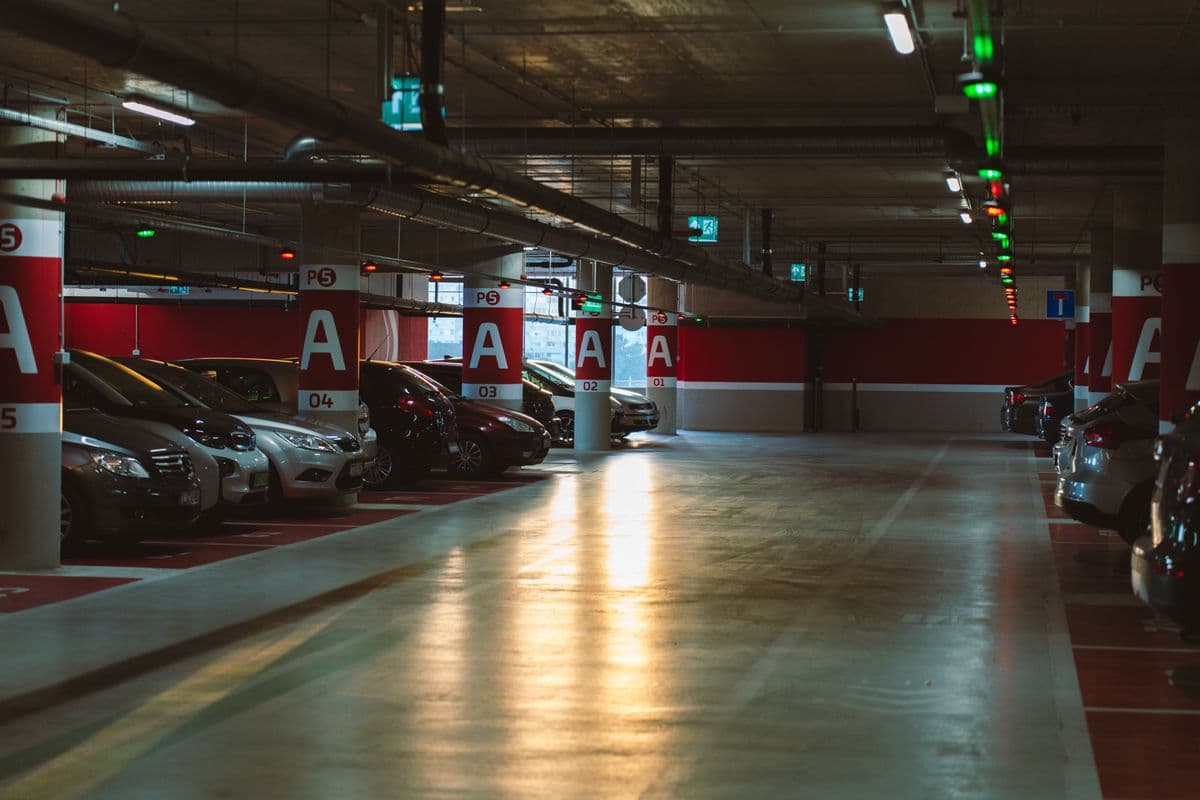
Charging an EV in a condo or apartment in the Philippines is very doable in 2026, even without your own private charger. The usual path is to talk to your building administration or HOA about installing a charger at your slot with sub-metering, so your charging is billed to you fairly. Where that is not possible, a building's shared charger, nearby public stations, and peer-to-peer hosts combine to cover your needs at a cost close to home electricity. Here is how condo and apartment dwellers can charge reliably, step by step.
Can I charge an EV if I live in a condo?
Yes, and it is far more practical than many prospective buyers assume. While a condo or apartment lacks the simple plug-in-the-garage convenience of a house, it is rarely a genuine dealbreaker in 2026. Charging an EV from a vertical home is a solved problem in most of Metro Manila and the major cities, it just takes a slightly different approach than for a standalone house.
The core challenge is that the parking and electrical infrastructure in a condo is shared and managed by the building, so you cannot simply wire in a wallbox the way a homeowner would. That means the first move is usually a conversation with the people who run the building rather than a call to an electrician. The good news is that demand has grown enough that many buildings are now open to, or already equipped for, EV charging in ways they were not a few years ago.
It also helps to remember that home charging, whether at a house or a condo slot, is only one piece of the puzzle. A blend of charging your slot, topping up at destinations, and using nearby hosts or public stations covers virtually any driver's needs. Our guide to where to charge an EV in Metro Manila shows how dense those surrounding options have become, and our look at whether an EV is worth it weighs how much condo living shapes the decision.
How do I talk to the building admin or HOA?
For most condo and apartment dwellers, the single most important step is a constructive conversation with the building administration or homeowners association. Whether you can install a charger at your slot depends heavily on the building's policies, electrical capacity, and willingness, so getting this dialogue right is what unlocks the convenient option. Approaching it well makes a real difference.
A few practical pointers help these conversations succeed:
- Ask about existing policy first, since many buildings have already developed rules or even installed infrastructure for EV charging as demand has grown.
- Raise sub-metering early, because the building's main concern is usually fair billing, and a clear answer on how your charging gets measured and paid for addresses that head on.
- Emphasize safety and proper installation, reassuring management that a licensed electrician will install to code on suitable wiring, not improvise on shared circuits.
- Be patient and collaborative, treating management as a partner rather than an obstacle, since a smooth approval often comes down to making their job easy.
The building's legitimate worries are usually about electrical load, fair cost allocation, and safety, all of which have straightforward answers. If you can show that your charging will be properly metered, safely installed, and won't strain shared systems, you remove most of the reasons to say no. For the technical side of a proper install, our guide to EV home charging setup covers the dedicated-circuit and electrician requirements that reassure cautious management.
What is sub-metering and why does it matter?
Sub-metering is the key that often makes condo charging work, because it solves the building's biggest practical worry: who pays for the electricity. A sub-meter measures exactly how much energy your charger draws, so your charging is billed to you specifically rather than smeared across the building's common electricity and unfairly shared with neighbors who do not own an EV. That fairness is usually what management cares about most.
With sub-metering in place, your EV charging effectively becomes its own little utility account: you pay for precisely what you use, at a rate the building can clearly account for. This removes the most common objection to allowing chargers, since no one else subsidizes your driving and the building's books stay clean. It also means your charging cost stays close to a normal residential rate, roughly the 11 to 13 pesos per kWh band typical on Meralco, rather than some inflated shared figure. Our guide to EV charging costs explains how that per-kWh rate translates into real charging bills.
For management, sub-metering turns a vague concern into a clean, accountable arrangement, which is precisely why it features in so many successful condo-charging setups. If your building is hesitant, leading with a clear sub-metering plan is often the most persuasive thing you can do. It reframes your request from "let me use shared power" into "let me pay fairly for exactly what I use," which is a much easier yes. Once your own charger is in, you could even list it to neighbors during idle hours, turning your slot into a small shared resource.
What if my building has a shared charger?
Many condos and apartment complexes are increasingly installing one or more shared chargers in their common parking areas, which can be an excellent solution that sidesteps the need for your own private unit entirely. A shared building charger lets residents top up without each person installing separate equipment, making efficient use of space and electrical capacity that benefits the whole community.
Shared chargers do come with their own dynamics worth understanding:
- Availability and scheduling matter, since multiple residents share the same unit, so a building may run a sign-up, time-limit, or first-come system to keep it fair.
- Billing is usually metered per user, so you pay for your own charging much as you would with a personal sub-meter.
- Etiquette counts, with the unwritten rule being to move your car once it is charged so others can use the unit, just like at any shared resource.
A well-run shared charger can comfortably cover the everyday needs of several EV-owning residents, especially since most charging is slow overnight charging that fits neatly into long parking periods. The main thing to watch is contention as more residents go electric, which is why some buildings add capacity over time. If your building has a shared charger or is considering one, it is worth being an early, constructive voice in how it is run. And for the occasions when the shared unit is busy, knowing your nearby public and peer-to-peer options keeps you covered, which is where the charging directory and map come in.
What public-charging fallbacks work near condos?
Even with a charger at your slot or a shared building unit, it is reassuring to know the fallback options near most condos, because they make EV ownership genuinely worry-free. The density of charging in and around residential areas has grown substantially, so a condo dweller is rarely far from somewhere to plug in when home charging is unavailable or busy.
The strongest fallback for many is peer-to-peer charging, where a nearby resident or business shares their charger for a fee. For a condo dweller without their own slot charger, a neighbor's hosted charger a short drive away can effectively become their home charging, at a price far closer to residential electricity than to premium fast charging. You can find a charger hosted nearby, see the price, and reserve a private slot in advance, which removes the gamble of arriving to find something occupied. Anyone with idle equipment can list their charger to add capacity exactly where condos cluster.
Alongside peer-to-peer, the familiar options round out the safety net:
- Destination charging at the malls, offices, and hotels you visit anyway lets you top up while parked, adding range for free in terms of your time.
- Public DC fast chargers along major roads and at fuel stations deliver quick top-ups when you need range in a hurry.
- City charging pages like Makati, Cebu City, and Davao City show what is available in specific areas, so you can plan around your own neighborhood.
The combination means that even a condo dweller with no private charger at all can run an EV comfortably by blending these sources. To understand how the whole marketplace fits together, our explainer on how it works walks through finding, booking, and hosting chargers.
Frequently asked questions
Can I install my own EV charger in a condo parking slot?
Sometimes, but it depends on your building's policies, electrical capacity, and approval. The path usually starts with your building administration or HOA, and a clear sub-metering plan that bills your charging fairly to you is often what unlocks a yes. A licensed electrician should handle any install. Where your own charger is not possible, shared, public, and peer-to-peer charging fill the gap.
What is sub-metering for condo EV charging?
Sub-metering measures exactly how much electricity your charger uses, so your charging is billed to you specifically rather than shared unfairly across the building's common power. It addresses management's main worry, fair billing, and keeps your cost close to a normal residential rate. Leading with a clear sub-metering plan is often the most persuasive part of a charger request.
How do condo dwellers charge an EV without a home charger?
Many rely on a blend of options: a building's shared charger, nearby peer-to-peer hosts, destination charging at malls and offices, and public fast chargers for trips. A neighbor's hosted charger a short drive away can effectively replace home charging at a similar low cost. You can find a charger nearby and reserve it in advance, which makes condo EV ownership genuinely practical.
Is it harder to own an EV in a condo than a house?
It takes a slightly different approach, but it is rarely a dealbreaker in 2026. A house offers simple plug-in-the-garage charging, while a condo usually means working with building management or leaning on shared, public, and peer-to-peer charging. In dense cities where charging coverage is thick, the surrounding options are abundant enough to make condo EV ownership comfortable.
Be our partner
Power the Philippines' electric future with us
Earn from an idle charger, or put your brand in front of EV drivers while they charge. Join the EVChargePH network today.