Charging 101
How EV Charging Networks Work (and the PH Gap)
By EVChargePH Team · April 27, 2026 · 8 min read
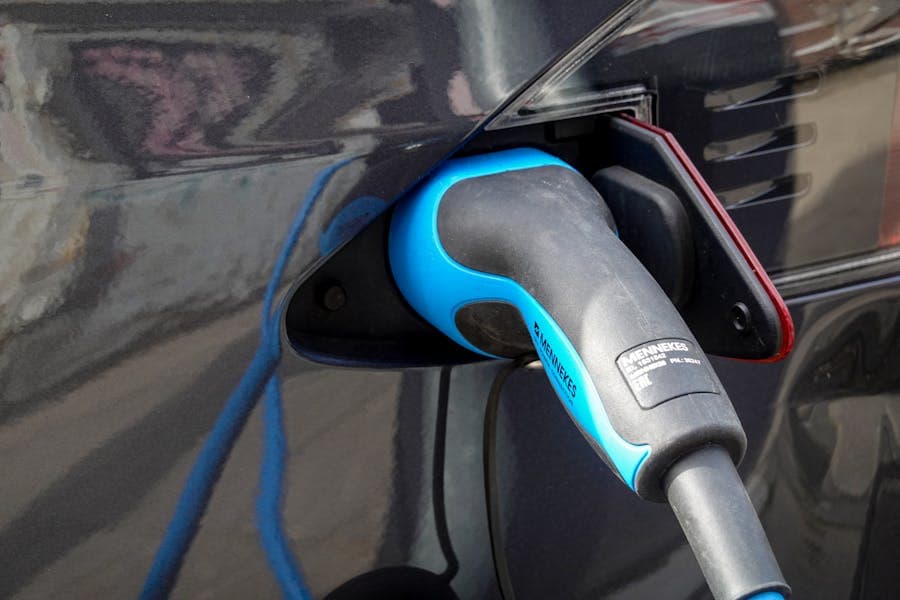
Public chargers do not appear by magic at the side of the road. Behind each one sits a charging network, the combination of operators, hardware, software, and payment systems that keeps a station running and lets you actually use it when you pull up. Understanding how these networks work makes public charging far less mysterious and a good deal less intimidating, and it also explains, honestly, why coverage in the Philippines is still a work in progress as of 2026 rather than the finished article.
This guide breaks down the parts of a charging network in plain language, walks through how you typically use one from arrival to departure, and takes a clear-eyed look at the current gaps in local coverage along with practical, workable ways to plan around them.
What Makes Up a Charging Network
A charging network is far more than just the physical plug you see mounted at the curb. Several distinct pieces come together behind the scenes, and each one has to function properly for the experience to feel seamless to you as a driver.
- The hardware. These are the chargers themselves, ranging from slower AC units to powerful DC fast chargers installed at various sites around the country. The fundamental difference between these two types is explained in our guide to AC versus DC charging.
- The operator. A company or organization owns and maintains the stations, handling repairs, electricity supply, and uptime. The operator is ultimately the reason a charger stays working reliably, or sadly does not.
- The software platform. This manages things like checking availability, starting and stopping sessions, and handling payment, often through an app or a tap card. It is the invisible glue that quietly connects you to the physical hardware.
- Billing and access. Networks decide how you pay and how you gain access, whether through an app, a membership, a registered account, or another method entirely depending on their setup.
When all of these elements work together smoothly, you simply arrive, authenticate, charge, and pay with very little fuss at all. When even one piece fails, such as a broken unit or a momentary app glitch, the whole experience can suffer noticeably. This is precisely why reliability matters so much in a young network, and why the community genuinely values drivers who take a moment to report faults, as our guide to charging etiquette discusses.
How You Typically Use One
While the exact details differ from one network to the next, the general flow becomes familiar and almost automatic once you have done it a handful of times. There is a comforting rhythm to it after the first few sessions.
- Locate a station, often through a map or app that shows you nearby chargers and whether they are currently available or in use. Our directory to find a charger is built precisely for this purpose.
- Authenticate, which might involve opening an app, signing into an account, or tapping a card depending on the particular network's chosen system.
- Plug in and charge, with the session tracked automatically from start to finish. How long this actually takes depends on all the factors covered in our guide to charging speeds explained.
- Pay, usually based on either the energy used or the time spent plugged in, processed through the network's chosen payment method.
A practical tip that saves real frustration on the road: set up your access in advance at home rather than scrambling at the station in the moment, since different networks may require different apps or accounts. Arriving already prepared turns a potentially fiddly first-time stop into a smooth and quick one.
Why Reliability Is Harder Than It Looks
It is tempting to assume that keeping a charger running should be simple, but the reality involves several moving parts that all have to align, which is why even well-run networks occasionally have an out-of-service unit. Appreciating this makes the occasional dead charger feel less like negligence and more like the ordinary friction of young infrastructure.
- The physical hardware sits outdoors, exposed to heat, rain, and constant use, so it requires real maintenance over time
- The grid connection behind a fast charger is a serious piece of electrical infrastructure that must be supplied and maintained
- The software and payment systems need to stay online and talk reliably to both the charger and your app
When any one of these falters, the charger can become unavailable even if the plug itself looks perfectly fine. A unit might be physically intact but unable to authorize payment, or fully powered but waiting on a software fix. This is precisely why operators value uptime so highly and why the maturing of the network is as much about software and maintenance as it is about installing new plugs. As the market grows and matures, operators gradually gain the scale and the hard-won experience needed to keep more of their stations running more of the time, which is one of the less visible but genuinely most important ways the everyday charging experience is steadily improving across the country. For drivers, the practical takeaway is simply to keep a backup option in mind rather than to expect flawless perfection from a system that is still this young.
The Philippine Gap
As of 2026, EV adoption in the Philippines is growing steadily and encouragingly, but the charging network supporting it is still very much maturing. It is worth being honest about a few realities so that you can plan sensibly around them rather than being caught out at an inconvenient moment.
- Uneven coverage. Chargers tend to be more concentrated in major urban centers and along certain popular routes, while many outlying areas still have limited options. The map is steadily filling in, but it is not yet uniform across the whole country.
- Multiple networks. Different operators may run different stations, which can mean juggling more than one app or account rather than enjoying a single seamless system. This kind of fragmentation is a completely normal stage for a young and fast-growing market.
- Reliability still improving. As infrastructure expands rapidly to meet demand, occasional broken or busy chargers remain part of the current landscape, which makes a little advance planning genuinely worthwhile.
None of this means that EV ownership is impractical here. Far from it, in fact. It simply means that a bit of foresight pays off handsomely, and the workarounds are reassuringly straightforward to apply.
- Plan longer trips around known charging stops rather than assuming a charger will always be conveniently nearby when you need one. A short list of reliable stops along your route removes almost all the uncertainty.
- Lean on home charging for your daily needs wherever it is possible, using public networks mainly for travel and longer journeys. This is precisely the balance our guide to public versus home charging recommends.
- Stay flexible by being aware of more than one charging option on unfamiliar routes, so that a single busy or broken stall does not derail your plans entirely.
How the Network Is Growing
The genuinely encouraging side of the story is momentum, and there is plenty of it. Each new station that opens makes electric driving a little easier for everyone who comes after, and the steady pace of installation reflects rising demand across the country. As more and more drivers go electric, covered in our look at the EV revolution in the Philippines, the commercial incentive to build more and better chargers grows in step with the number of cars on the road. The coverage gap that exists today is best understood as the natural early stage of an expanding ecosystem rather than a permanent state of affairs that will never change.
Crucially, the network's growth is not solely the work of large commercial operators with deep pockets. Everyday owners with a spare parking bay can add real capacity too, helping fill in the map in neighborhoods and places that big companies might overlook or reach only later. Anyone interested can explore choosing to list your charger, which is one of the most direct and immediate ways that individuals are personally helping to close the gap for their own communities.
The Bottom Line
Understanding how charging networks actually work, with their interlocking hardware, operators, software, and billing, takes much of the mystery and anxiety out of public charging. And being honest with yourself about where the current local limits lie lets you drive electric with genuine confidence while the infrastructure continues to catch up steadily around you.
The Philippine charging network of 2026 is a young and energetic system still finding its feet, uneven in places but expanding all the time. Plan a little ahead, lean on home charging for the everyday, and stay flexible on the road, and the gaps quickly become manageable rather than limiting. To see how all of this fits into the wider experience of going electric, our overview of how it works ties the network neatly into the rest of ownership.
Be our partner
Power the Philippines' electric future with us
Earn from an idle charger, or put your brand in front of EV drivers while they charge. Join the EVChargePH network today.