Charging 101
EV Charging on NLEX, SLEX & Philippine Expressways: A Road-Trip Guide
By EVChargePH Team · June 2, 2026 · 11 min read
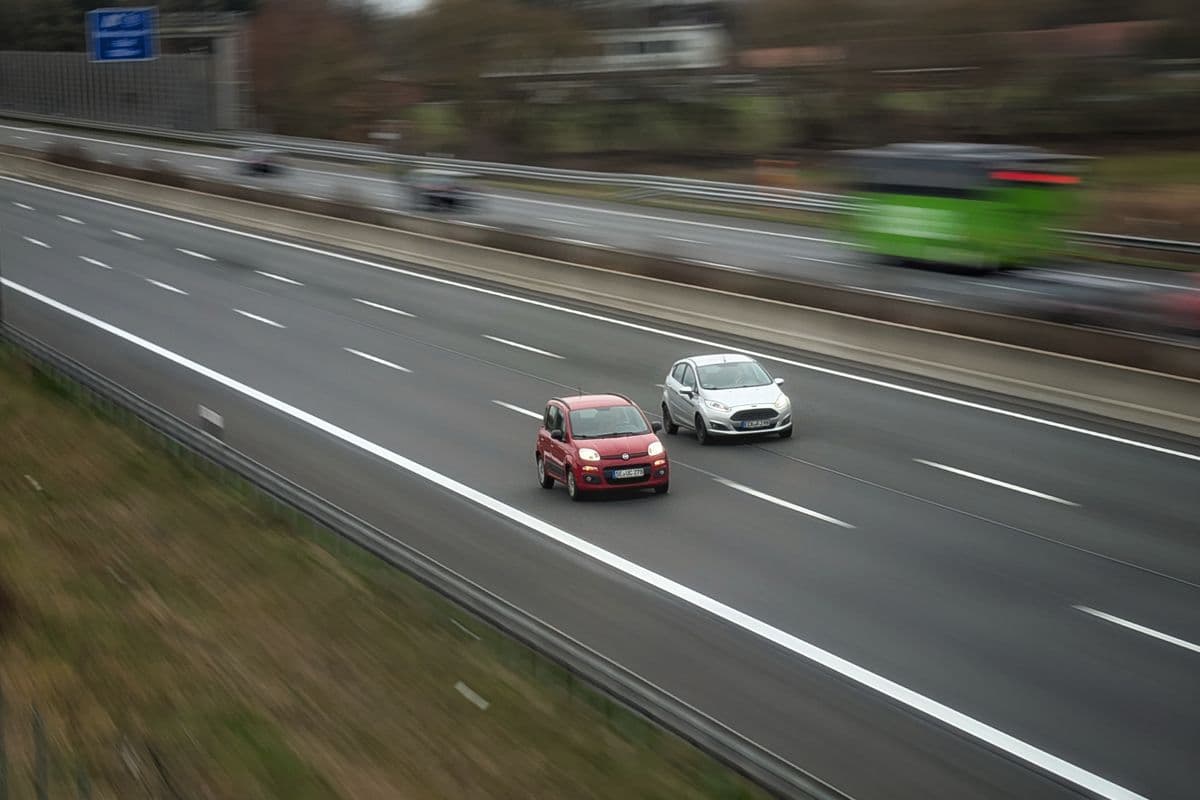
EV road trips on NLEX, SLEX, and other Philippine expressways are entirely practical in 2026 with a bit of planning. The winning approach is to start full from home, plan your DC fast-charging stops around where chargers cluster along the corridor, charge to about 80 percent at each stop rather than 100, and keep a sensible range buffer for the extra draw of traffic, heat, and air-conditioning. Do that and a long drive becomes a series of short, predictable pauses rather than a source of anxiety. Here is how to plan EV charging on Philippine expressways.
Can you road-trip an EV on Philippine expressways?
Yes, and it is far less daunting than first-time EV drivers expect once they understand the rhythm of it. The expressway corridors that carry most long-distance traffic, the NLEX to the north and the SLEX to the south, along with their connecting routes, have seen steadily improving DC fast-charging coverage, which makes electric road trips genuinely viable in 2026. The key is to shift from a petrol mindset of refilling in five minutes anywhere to an EV mindset of planning a couple of slightly longer stops.
The mental adjustment is the main thing. Where a petrol driver gives no thought to fuel until the gauge drops, an EV road-tripper plans charging stops in advance, much as you might plan rest stops on a long drive anyway. In practice this is less of a burden than it sounds, because EV charging stops naturally double as the meal and rest breaks you would take regardless. Charge while you eat, stretch, and use the restroom, and the time barely registers as a detour.
The foundation of any successful EV road trip is starting full. If you charge to 100 percent at home the night before, you leave with maximum range and your first stop is far down the road, which simplifies everything. Our guide to how long charging takes explains the fast-charging behavior you will rely on, and our route planning lives on the routes page, which is the natural starting point for mapping a specific journey.
Where do DC fast chargers cluster on NLEX and SLEX?
Understanding where fast chargers tend to cluster is the heart of expressway trip planning, because it lets you space your stops sensibly rather than hoping something appears when you need it. Along major corridors like NLEX and SLEX, DC fast charging concentrates at the kinds of places long-distance drivers naturally stop: fuel stations, service areas, and major establishments near interchanges and popular destinations.
This clustering pattern is good news, because it means charging tends to be available exactly where you would want to pause anyway. A few principles help you plan around it:
- Stops cluster at service areas and fuel stations along the main corridors, so anchor your plan around those known points rather than expecting even spacing.
- Coverage thins as you leave the main expressways onto smaller provincial roads, so charge up before venturing off the trunk routes into areas with sparser options.
- Popular destinations attract chargers, so the towns and resorts many travelers head to often have charging at or near them, useful for arriving and departing topped up.
The practical move is to check the routes page and the map before you set off, identifying the specific chargers along your intended path and noting their spacing. This turns a vague worry into a concrete plan: you know where you will stop, roughly how far apart the stops are, and that each one falls within your comfortable range. Our guide to where to charge in Metro Manila covers the dense urban end, which is usually where these trips begin, so you start the highway leg with a full battery.
How should you plan your charge stops?
Good stop planning is what separates a relaxed EV road trip from a stressful one, and the principles are simple once you internalize them. The central rule, borrowed from how fast charging actually behaves, is to charge to about 80 percent and move on rather than waiting for a full battery. Charging slows dramatically past 80 percent to protect the battery, so the last 20 percent can take nearly as long as the first 80, which is poor use of your time mid-trip.
A sensible stop strategy looks like this:
- Leave home at 100 percent, since you can charge to full overnight at home where the slow finish costs you nothing.
- Plan stops at roughly 20 to 30 percent remaining, arriving with a comfortable buffer rather than nervously low.
- Charge to about 80 percent at each stop, then get back on the road, saving the slow final stretch for your overnight destination charge.
- Match stops to meals and rest, so the charging time overlaps with breaks you would take anyway and barely costs you anything extra.
This approach keeps each stop short and efficient while maintaining a healthy margin throughout the drive. It also means you never gamble on reaching a charger with single-digit range, which is the situation every EV road-tripper wants to avoid. The connector you will use at these stops is almost always CCS2 on a modern EV, covered in our guide to EV charging connectors. And because peer-to-peer hosts increasingly dot the corridors and destination towns too, you can sometimes find a charger hosted near your route or destination as a flexible backup to the commercial stations.
Why do you need a bigger range buffer here?
Range buffers matter more on Philippine expressway trips than the headline numbers might suggest, because real conditions eat into range in ways that catch the unwary. The official range of any EV is measured under ideal conditions, but a real road trip in the Philippines involves traffic, heat, and constant air-conditioning, all of which raise consumption above the optimistic figure. Planning around a buffer rather than the maximum is simply prudent.
Several factors specific to Philippine driving justify a generous margin:
- Traffic and congestion can appear even on expressways, and while EVs are efficient in stop-start city traffic, prolonged jams in the heat still consume energy as the aircon runs continuously.
- Heat and air-conditioning are constants here, and running the aircon hard for hours adds meaningfully to consumption over a long drive.
- Higher sustained speeds on open expressway stretches use more energy than gentle city driving, since wind resistance climbs with speed.
- Uncertainty about the next charger means a buffer protects you if a planned stop is occupied, out of service, or further than expected.
The practical rule is to treat your usable range as comfortably less than the headline figure and to plan stops with margin to spare. Arriving at each charger with 20 to 30 percent left, rather than running to empty, gives you room to absorb any surprise without stress. This buffer-first mindset is what makes EV road trips genuinely relaxing, and it costs you very little in practice. Our guide to whether an EV is worth it discusses how charging access along trip routes shapes the overall ownership case, especially for those who frequently drive long distances.
What should you do before a long EV trip?
A little preparation transforms an EV road trip from a leap of faith into a routine drive, and the checklist is short. The goal is to remove uncertainty before you leave, so that the journey itself is just a matter of following a plan you already trust. Spending ten minutes the night before pays off enormously in peace of mind on the road.
Before any long expressway trip, it is worth running through these steps:
- Charge to 100 percent at home overnight, so you depart with maximum range and your first stop is far down the road.
- Map your charging stops on the routes page and the map, noting their spacing and confirming each falls within a comfortable range.
- Identify backups at or near each planned stop, including peer-to-peer hosts you can find on the map, in case a primary charger is busy or down.
- Check your buffer math, ensuring even the longest gap between chargers leaves you arriving with a healthy reserve given traffic and heat.
- Travel with the trickle charger that came with the car, as a last-resort backup for an overnight stop where no proper charger is available.
With that preparation done, the drive itself becomes straightforward: you know where you are stopping, how long each stop takes, and that you have margin throughout. This is the difference between range anxiety, which is really just a lack of planning, and range confidence. For drivers who do this regularly, the routine becomes second nature, and the cheap running costs covered in our guide to EV charging costs make every long trip far cheaper than the petrol equivalent. The glossary is handy if any term trips you up along the way.
Frequently asked questions
Can you drive an EV from Manila to the provinces on expressways?
Yes, with planning. The NLEX and SLEX corridors have steadily improving DC fast-charging coverage, so you can road-trip an EV by starting full, planning stops around where chargers cluster, and charging to about 80 percent at each. Keep a range buffer for traffic and heat. Check the routes page and map to map your specific journey before setting off.
How often do you need to charge an EV on a road trip?
It depends on your car's range and the route, but a good rule is to plan a stop when you reach roughly 20 to 30 percent remaining, charge to about 80 percent, and continue. This keeps stops short and maintains a safe buffer. Matching charge stops to your meal and rest breaks means the time barely costs you anything extra.
Why should I only charge to 80 percent on a trip?
Charging slows dramatically past 80 percent to protect the battery, so the final 20 percent can take nearly as long as the first 80 on a fast charger. On a trip, that makes the last stretch poor value for your time. Experienced drivers unplug at 80 and move on, saving the slow finish for an overnight charge at their destination where speed does not matter.
How much range buffer should I keep on Philippine expressways?
A generous one. Traffic, heat, constant air-conditioning, and higher sustained speeds all raise consumption above the headline range, so treat your usable range as comfortably less than the maximum. Aim to arrive at each charger with 20 to 30 percent remaining. That margin absorbs surprises like an occupied or out-of-service charger and keeps the whole trip relaxed rather than nerve-racking.
Be our partner
Power the Philippines' electric future with us
Earn from an idle charger, or put your brand in front of EV drivers while they charge. Join the EVChargePH network today.