PH EV Scene
EV Charging Etiquette: The Unwritten Rules at PH Stations
By EVChargePH Team · May 23, 2026 · 11 min read
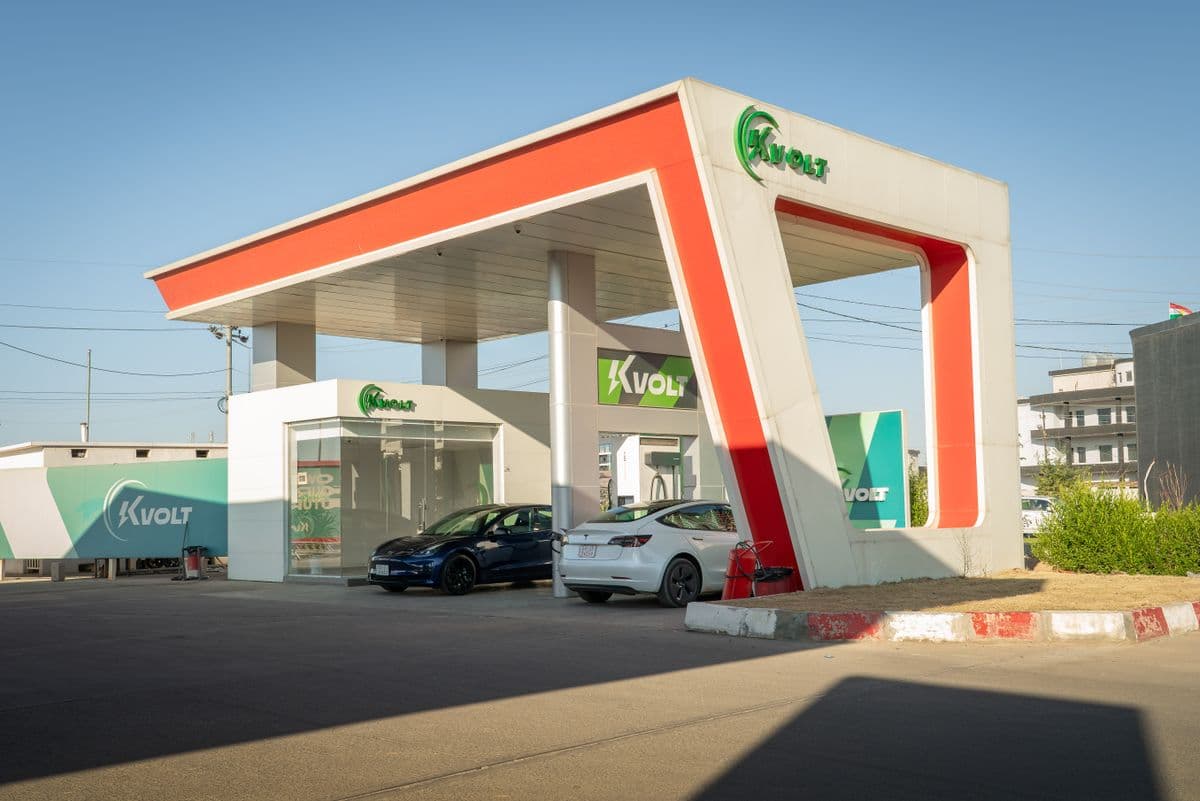
Good EV charging etiquette in the Philippines is really just courtesy applied to a shared resource. The unwritten rules boil down to a few things: never block a charging bay with a non-charging or petrol car, unplug and move on around 80 percent at a busy DC fast charger so others can use it, queue fairly and do not jump the line, and keep your cable tidy and out of harm's way. Follow these and you help the whole community charge smoothly, which matters more as the network grows busier. Here are the unwritten rules, explained.
Why does EV charging etiquette matter?
Charging etiquette matters because chargers, especially fast ones, are a shared and limited resource, and how each driver behaves directly affects everyone else waiting. Unlike a petrol pump that serves a car in a few minutes, a charging session takes longer, so a single inconsiderate driver can hold up several others for a meaningful stretch. As more Filipinos go electric and stations get busier, the community's good habits are what keep charging pleasant rather than frustrating.
There is also a community spirit to EV ownership in the Philippines that etiquette reinforces. The scene is still relatively close-knit, and the goodwill among owners, sharing tips, helping newcomers, and respecting each other at chargers, is part of what makes it enjoyable. Treating fellow drivers with consideration is not just polite; it sustains the cooperative culture that benefits everyone, including you the next time you need a charger in a hurry. Our look at the EV community and clubs scene touches on how that camaraderie shapes ownership.
The practical reality is that most etiquette is common sense once you see charging from the other driver's perspective. Imagine arriving with low range to find the only fast charger blocked by a finished car, or by a petrol vehicle parked in the bay, and the importance of the rules becomes obvious. The sections below cover the specific situations that come up most, so you can charge considerately without having to figure it all out on the spot. You can always find a charger and check its availability before you set off, which itself is good practice.
What is ICE-ing and why is it a problem?
The cardinal sin of charging etiquette is ICE-ing, which means parking a petrol or diesel car, an internal combustion engine vehicle, in a spot reserved for EV charging. When a non-EV occupies a charging bay, it blocks a driver who genuinely needs to charge, often someone arriving with low range and limited options. It is the charging equivalent of parking in a spot you have no right to use, and it is rightly frowned upon across the EV community.
ICE-ing is frustrating precisely because the blocked driver may have no easy alternative. A petrol driver who cannot find a parking spot has many other options nearby; an EV driver who needs that specific charger may have nowhere else within range. The asymmetry is what makes it more than a minor inconvenience, and it is why EV owners feel so strongly about keeping charging bays clear for their intended purpose. If you drive a petrol car, the rule is simple: charging bays are not general parking, so leave them free.
For EV owners themselves, a related courtesy applies: do not treat a charging bay as a convenient parking spot once you have finished charging. Occupying a charger when you are not actually charging, sometimes called blocking, is its own version of the problem, addressed next. The principle uniting both is that charging bays exist for active charging, and anything that keeps them occupied without charging works against the whole community. When everyone respects that, the limited number of chargers stretches much further, and our charging directory coverage becomes genuinely usable for all.
When should I unplug and move on?
At a busy DC fast charger, the golden rule is to unplug and move on once you reach around 80 percent rather than waiting for a completely full battery. This is both good for your time and good etiquette, because fast charging slows dramatically past 80 percent to protect the battery, so the final stretch ties up the charger for ages while delivering relatively little range. Vacating at 80 lets the next driver get going far sooner, and you lose almost nothing.
The etiquette around fast chargers comes down to a few habits:
- Aim for about 80 percent at a busy DC charger, then free the bay, saving the slow final stretch for an overnight charge where speed does not matter.
- Do not wander off and leave the car plugged in after it finishes, since a charged car occupying a charger helps no one and frustrates those waiting.
- Be especially considerate when others are waiting, taking only the charge you genuinely need rather than topping up to the brim out of habit.
This 80 percent habit comes straight from how fast charging actually behaves, which our guide to how long charging takes explains in detail. It is the same logic that makes road-trip charging efficient, and you can plan those stops on the routes page. The distinction worth remembering is that this urgency applies to fast chargers, where many drivers compete for a quick top-up. At slow AC chargers in destinations where you park for hours anyway, it is fine to charge longer, since you are not holding up a queue of range-anxious drivers.
How should I handle queueing and busy stations?
Queueing etiquette becomes important as stations get busier, and the guiding principle is simple fairness: respect the order of arrival and do not jump ahead of someone who was waiting first. Charging queues are less formal than other lines, so they rely on goodwill and honesty rather than a strict system. A driver who games the queue or muscles in ahead of others poisons the cooperative atmosphere that makes shared charging work.
A few practices keep busy stations civil:
- Respect arrival order, letting whoever was waiting first take the charger next, just as you would want for yourself.
- Communicate where you can, a friendly word about how long you will be or who is next smooths things over and avoids misunderstandings.
- Do not linger once charged, moving your car promptly so the queue keeps flowing and nobody waits longer than necessary.
- Plan ahead to avoid the crunch, checking charger availability on the map and having a backup in mind so you are not desperate at a busy site.
Planning is an underrated form of etiquette, because a driver who arrives with a sensible buffer and a backup option is far more relaxed and considerate than one who turns up nearly empty with no alternative. Keeping a range buffer, and checking options on the charging directory before you go, means you are rarely in a desperate rush that tempts you to cut corners. Peer-to-peer charging also eases the pressure on public stations, since you can find a hosted charger nearby and reserve it in advance, sidestepping queues entirely. Anyone with idle equipment can list their charger to add capacity and relieve the busiest sites.
What are the small courtesies that make a difference?
Beyond the big rules, a handful of small courtesies separate a considerate charger from a careless one, and they cost nothing but attention. These are the details that experienced owners do without thinking, and that make the charging experience pleasant for the next person who pulls in. Adopting them marks you as part of the community rather than just a user of it.
The courtesies worth practising are:
- Manage your cable responsibly, routing it safely so it does not trip pedestrians or stretch awkwardly across a neighboring bay, and returning it neatly to its holster when done.
- Leave the charger as you found it, replacing connectors properly and not leaving the area messy, so the next driver finds it ready to use.
- Report faults you encounter, flagging a broken charger through the appropriate channel so it gets fixed, which helps everyone who follows.
- Be friendly and helpful, offering a hand or advice to a newcomer struggling with a charger, which is exactly the spirit that makes the local EV scene welcoming.
- Mind the connector and equipment, handling it gently rather than yanking cables, since rough use damages shared infrastructure everyone relies on.
These habits reflect a simple truth: the charging network is a commons, and its quality depends on the care each user takes. A community that handles equipment gently, reports faults, keeps cables tidy, and helps newcomers ends up with a better, more reliable network than one where everyone looks out only for themselves. For drivers new to all this, our explainer on how it works covers the practical side of finding and using chargers, and our news section has more guides on living with an EV in the Philippines. Charge considerately and you make the whole experience better for the next person, and for yourself the next time you are the one arriving on low range.
Frequently asked questions
What does ICE-ing mean at an EV charger?
ICE-ing is when a petrol or diesel car, an internal combustion engine vehicle, parks in a bay reserved for EV charging, blocking drivers who genuinely need to charge. It is widely frowned upon because a blocked EV driver may have no easy alternative within range, unlike a petrol driver who can park elsewhere. The rule is simple: charging bays are for active charging, not general parking.
Why should I unplug at 80 percent at a fast charger?
Because fast charging slows dramatically past 80 percent to protect the battery, so the final stretch ties up the charger for a long time while adding relatively little range. At a busy DC station, unplugging at around 80 percent lets the next driver get going much sooner while you lose almost nothing. Save the slow final charge for an overnight session where speed does not matter and no one is waiting.
What is the etiquette for queueing at a busy charging station?
Respect arrival order and do not jump ahead of someone who was waiting first, since charging queues rely on goodwill rather than a strict system. Communicate how long you will be, move your car promptly once charged, and plan ahead with a backup so you are not arriving desperate. Checking availability on the map and using peer-to-peer hosts can let you avoid the busiest sites entirely.
Is it rude to leave my EV plugged in after it finishes charging?
Yes, at a busy charger it is poor etiquette, because a fully charged car occupying a charger blocks others who are waiting. The bay exists for active charging, so move your car promptly once you are done rather than treating the charger as a parking spot. At quiet slow AC chargers where you park for hours anyway it matters less, but at busy fast chargers, vacating promptly is an important courtesy.
Be our partner
Power the Philippines' electric future with us
Earn from an idle charger, or put your brand in front of EV drivers while they charge. Join the EVChargePH network today.