Buying Guide
Cheapest Electric Cars in the Philippines (2026)
By EVChargePH Team · July 13, 2026 · 11 min read
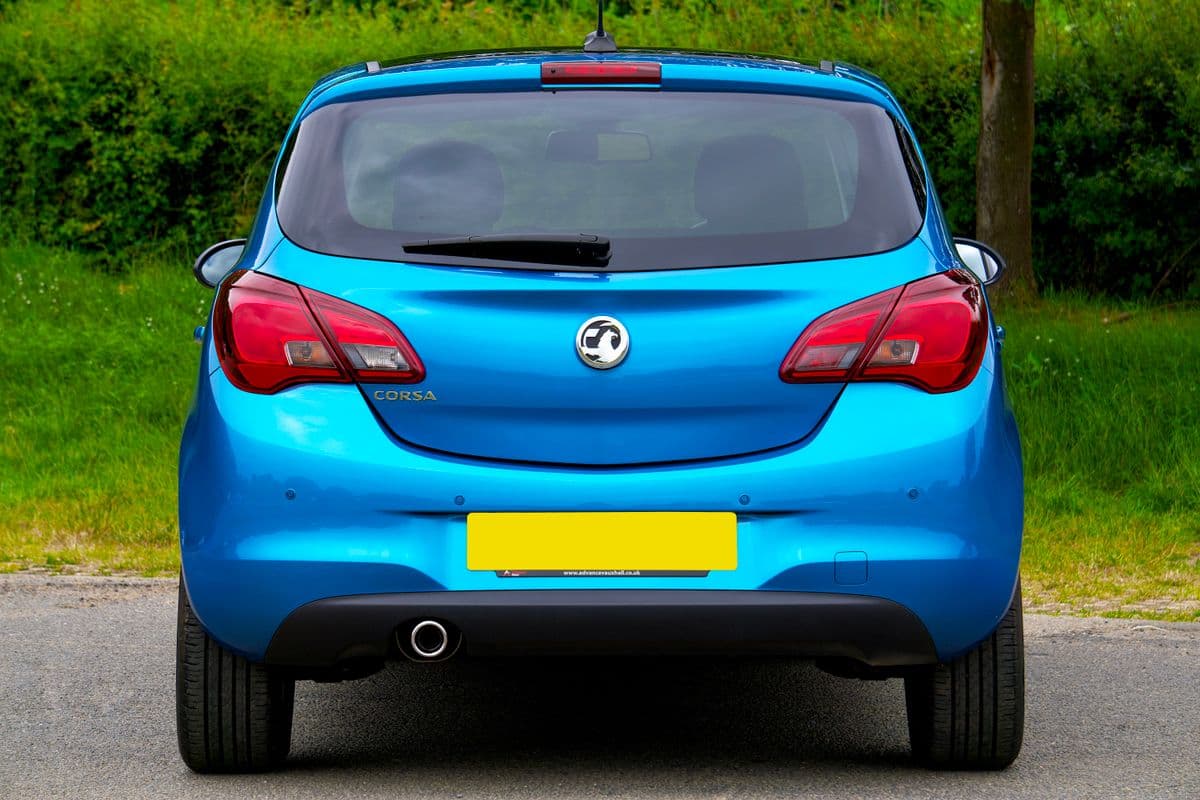
The cheapest electric cars in the Philippines in 2026 now start from indicative prices comfortably below 1.5 million pesos, opening battery-electric motoring to a much wider group of buyers than a few years ago. The most affordable models tend to come from value-focused brands such as GAC Aion, BYD, MG, and Geely, offering enough real-world range for city and regional driving on standard Type 2 plus CCS2 charging. All figures here are approximate and indicative for 2026, since prices shift constantly with promos, launches, and currency swings. This guide ranks the budget end strictly from lowest price up, so you can see where electric ownership actually begins.
What is the cheapest electric car in the Philippines?
The cheapest electric car in the Philippines is a moving target, because the budget end of the market is where competition is fiercest and prices change most often. What is clear in 2026 is that the entry point has fallen far enough that a new BEV can cost less than many petrol crossovers, especially once you factor in the incentives that have narrowed the gap. The very cheapest new EVs are small city-focused hatchbacks and compact crossovers from value brands, not the large, long-range models that grab headlines.
This article deliberately ranks by lowest price first, which makes it different from our roundup of the best EVs under 1.5 million pesos. That guide weighs overall value and picks standouts; this one simply asks where the floor is and works upward, covering the genuinely budget end. If your priority is the smallest possible sticker price rather than the best all-round package, this is the list for you. Browse the full EV catalog alongside it to compare specs, and use the EV savings calculator to see how cheap running costs stack on top of a low purchase price.
A word of caution before the rankings: exact prices, trims, and even which models are officially on sale shift frequently, so treat every figure below as an approximate 2026 indication rather than a fixed quote. Always confirm the current price with a dealer, because a promo or a new arrival can reshuffle the order overnight.
The cheapest EVs ranked, lowest price first
Here is the budget end of the Philippine EV market in 2026, ordered from the lowest indicative price upward. Prices are approximate, move often, and vary by trim, so use these as a starting map rather than a final quote:
- GAC Aion ES — often cited among the most affordable new BEVs on sale, a compact sedan pitched squarely at value buyers and fleets. See the GAC Aion ES model page for specifics.
- GAC Aion UT — a small, city-friendly hatchback that sits near the bottom of the price ladder, ideal for urban commuting. Details on the GAC Aion UT model page.
- BYD Dolphin — a hugely popular compact EV that has become the value benchmark many others are measured against, with a practical layout and competitive range. See the BYD Dolphin model page.
- BYD Atto 2 — a compact crossover that brings BYD's blade-battery tech to a budget-friendly footprint. More on the BYD Atto 2 model page.
- MG4 — a sharp-looking hatchback with a strong reputation for driving feel and value, a favourite among first-time EV buyers. Covered on the MG4 model page.
- MG ZS EV — a compact electric crossover offering familiar SUV practicality at an accessible price. See the MG ZS EV model page.
- Geely EX2 — a small, keenly priced EV that adds another value option at the affordable end. Details on the Geely EX2 model page.
- GAC Aion Y Plus — a slightly larger compact crossover that stretches the budget band while staying sensibly priced. See the GAC Aion Y Plus model page.
The ordering here is deliberately rough, because a single promo can push one model below another from week to week. What matters more than the exact sequence is the shape of it: the GAC Aion pair and the compact BYD and MG models anchor the affordable end, with Geely and others filling in around them. For a broader value view rather than a strict price ladder, our best EVs under 1.5 million pesos guide is the companion read.
How cheap are these EVs to run, not just to buy?
The low sticker price is only half the story, because the cheapest electric cars are also cheap to run, which is what makes the budget segment so compelling. Charging at home on a typical Meralco residential rate of roughly 11 to 13 pesos per kWh works out to around 1.5 to 3 pesos per kilometer, frequently less than half what the same distance costs in a petrol car at 2026 pump prices. For a budget-conscious driver, that running-cost gap compounds every single day.
The savings arrive from several directions at once. Charging is far cheaper than fuel, maintenance is simpler with no oil changes and fewer moving parts, and the cost per kilometer is far more stable than volatile pump prices. Our guide to EV charging costs in the Philippines breaks down the per-kilometer math, and the EV savings calculator lets you plug in your own mileage to see the annual difference. For a higher-mileage driver, those savings can repay much of the price difference against a petrol equivalent over the ownership period.
There is a fairness caveat worth stating plainly: the running-cost case is strongest for people who drive enough and can charge conveniently, ideally at home. If you barely drive, or cannot charge where you live, the maths is weaker, though nearby peer-to-peer hosts found on the map can stand in for a home charger. Our honest look at whether an EV is worth it walks through exactly how mileage and charging access shape the decision, and it is essential reading before you commit to any budget EV.
Are the cheapest EVs any good?
A reasonable worry with any budget product is whether cheap means compromised, and for the affordable EVs on this list the honest answer is that they are genuinely usable cars rather than penalty boxes. In 2026 the budget segment offers real-world range that comfortably handles daily city commuting and regional trips, modern safety and infotainment features, and the same standardised charging as far pricier models. The compromises are more about size, outright range, and badge prestige than about basic competence.
The main trade-offs to understand at this price point are these:
- Range is adequate rather than huge, so plan around a sensible buffer below the headline figure for aircon and traffic, which our guide to EV range in Philippine traffic and heat explains. For daily driving where you start full each morning, it is rarely a limitation.
- Space and features are class-appropriate, meaning a compact hatchback or small crossover rather than a large SUV, which suits city life well but may feel tight for big families.
- Brand support varies, with established value marques offering broader service networks, so it is worth checking parts and servicing before buying a newer entrant.
Crucially, none of the budget models compromise on charging compatibility. They all use the standard Type 2 connector for AC and CCS2 for DC fast charging, the dominant pairing in the Philippines, so a cheap EV slots into the same network as an expensive one at home, at destinations, and at public fast chargers. Our guide to EV charging stations in the Philippines shows how broad that network now is, which removes a common fear about buying at the budget end.
Which cheap EV should you pick?
Choosing among the cheapest EVs comes down to matching the car to your actual life rather than simply grabbing the lowest number, because the smallest sticker price is not always the best fit. The models differ in size, range, features, and dealer support, so the smart move is to shortlist two or three, confirm their current prices, and weigh them against how you really drive. A slightly pricier model that fits your needs beats the cheapest one that does not.
A few questions quickly narrow the field:
- How far do you drive between charges? If your daily mileage is modest and you charge at home, almost any model here suffices; if you cover longer distances, favour the ones with more usable range.
- How much space do you need? A compact crossover like the BYD Atto 2 or MG ZS EV offers more practicality than a small hatchback like the GAC Aion UT or BYD Dolphin.
- How important is service and support? Established brands with wider networks buy peace of mind, which matters over years of ownership.
The practical advice is to test drive your shortlist, confirm the current price since these shift constantly, and check that charging is convenient where you live using the map. If you want to compare against pricier options, our Tesla Model 3 price in the Philippines guide and full BYD Philippines guide round out the picture. Whichever you choose, a budget EV that matches your driving and charging access delivers low running costs and a quiet, smooth drive well suited to Philippine roads.
Frequently asked questions
What is the cheapest electric car in the Philippines in 2026?
The cheapest new EVs come from value brands like GAC Aion, BYD, MG, and Geely, with models such as the GAC Aion ES and Aion UT anchoring the bottom of the price ladder at indicative prices well under 1.5 million pesos. Exact figures shift constantly with promos and launches, so treat any number as an approximate 2026 indication and confirm the current price with a dealer before deciding.
Do cheap EVs have enough range for the Philippines?
Generally yes for everyday use. Budget EVs in 2026 typically offer real-world range that comfortably handles city commuting and regional trips, especially since you start most days with a full battery from home charging. Plan around a sensible buffer below the headline figure for heavy aircon and traffic. Range only becomes a real planning factor on longer expressway trips, where you space out fast-charging stops.
Are the cheapest EVs cheaper to run than petrol cars?
Usually much cheaper. Home charging at roughly 11 to 13 pesos per kWh works out to around 1.5 to 3 pesos per kilometer, often less than half what petrol costs. Add simpler maintenance and fewer moving parts, and a budget EV is one of the most economical ways to drive, especially for higher-mileage drivers who can charge conveniently. Use the EV savings calculator to model your own numbers.
Is the cheapest EV always the best choice?
Not necessarily. The lowest sticker price is a great start, but the best budget EV is the one that fits your driving, space needs, and charging access. A slightly pricier model with the range or practicality you actually need beats the absolute cheapest option that does not. Shortlist two or three, confirm current prices, test drive them, and check that charging is convenient where you live before committing.
Be our partner
Power the Philippines' electric future with us
Earn from an idle charger, or put your brand in front of EV drivers while they charge. Join the EVChargePH network today.