Charging 101
How to Charge an E-Bike or E-Scooter Safely at Home (Philippines)
By EVChargePH Team · July 20, 2026 · 11 min read
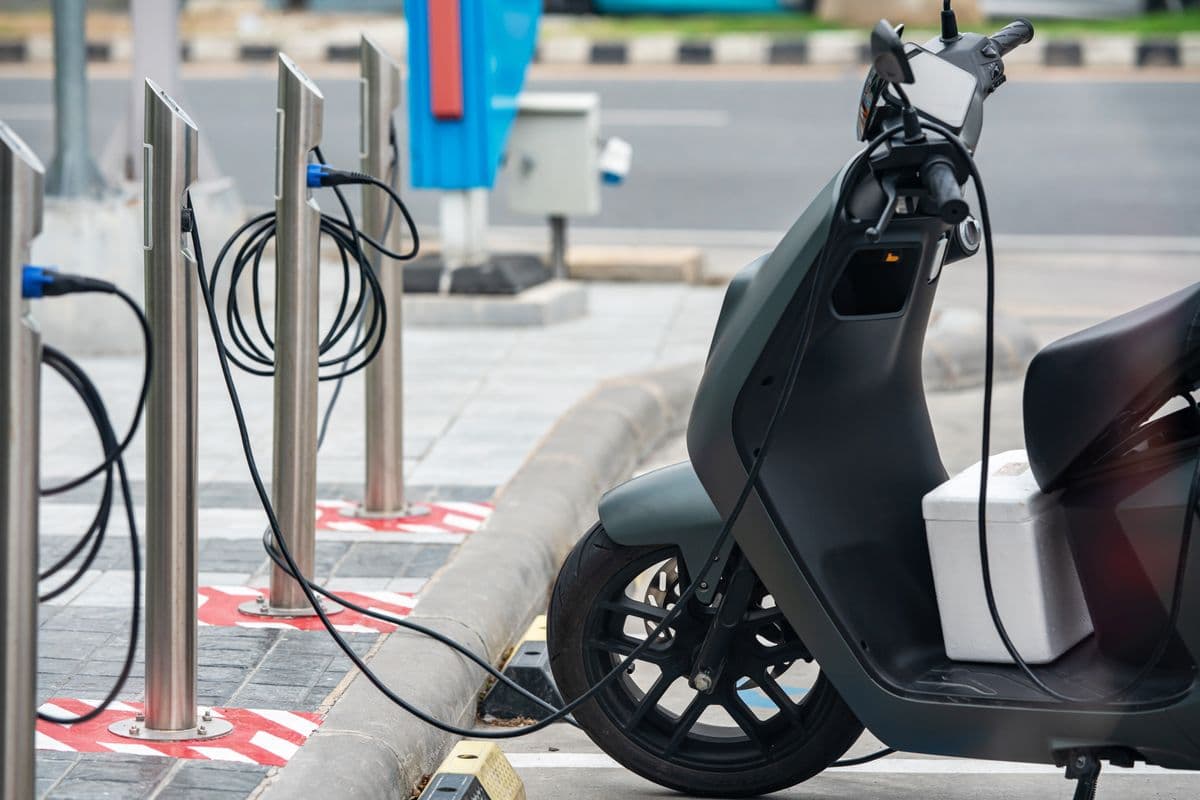
Charging an e-bike or e-scooter safely at home in the Philippines is mostly about a handful of simple habits that dramatically reduce the small but real risk of a battery fire. Use the charger made for your battery, steer clear of cheap unbranded lithium packs, charge in a cool, ventilated space, and avoid leaving a charge running unattended overnight where people sleep. The energy cost is tiny, only a few pesos per charge on a typical Meralco rate, so there is never a reason to cut safety corners. Here is how to charge your light EV safely, and when to replace an aging battery.
Why is charging an e-bike or e-scooter safely so important?
Charging safety matters for light EVs because the batteries that power them, while overwhelmingly safe when good quality and properly handled, can fail dangerously when they are cheap, damaged, or charged carelessly. Lithium battery fires are uncommon, but when they happen they can be fast and intense, and news of e-bike and e-scooter battery fires is a genuine concern that has surfaced in the Philippines and elsewhere. The point is not to be alarmed but to be informed, because nearly all of the risk is avoidable with a few sensible practices.
The reason this deserves attention is that light EVs are often charged casually indoors, in living spaces, hallways, or bedrooms, unlike a car that charges in a garage or outdoors. That proximity means that on the rare occasion a battery does fail, it can do so where people are, which raises the stakes. Treating light-EV charging with the same seriousness you would give any electrical appliance running for hours, rather than as an afterthought, is what keeps it safe.
The encouraging reality is that safe charging is easy and costs nothing extra. Because an e-bike or e-scooter battery is small, a full charge draws only a few pesos of electricity on a typical Meralco residential rate, so the running cost is negligible whether you charge carefully or carelessly. That means every safety habit in this guide is essentially free to adopt. These practices apply equally across the light-EV family, from e-bikes and electric scooters to electric motorcycle and e-trike batteries, all gathered on our light-EV hub.
How do you charge an e-bike or e-scooter safely at home?
Charging an e-bike or e-scooter safely at home comes down to a short, practical routine that anyone can follow. The foundation is using the correct charger, the one designed for your specific battery, since a mismatched charger can deliver the wrong voltage or current and stress the cells. From there, where and how you charge matters as much as what you charge with. A few core habits cover the vast majority of the risk:
- Use the charger that came with the battery, or a properly matched replacement from a reputable source, never a random cheap charger that happens to fit.
- Charge in a cool, ventilated space, away from direct heat and out of the sun, since heat is hard on batteries and raises the risk of trouble.
- Do not charge unattended overnight, especially where people sleep, so that a rare fault is noticed early rather than discovered too late.
- Keep charging away from flammable materials, not on a bed, sofa, or pile of clothes, and not blocking an exit or doorway.
- Stop charging when full where practical, rather than leaving the battery on the charger for many extra hours after it has finished.
None of these habits is difficult or expensive, and together they remove most of the realistic risk. The single most important is arguably supervision: charging while you are awake and present, rather than plugging in and going to sleep, means that in the very unlikely event of a problem, you can act immediately. Given that the charge itself costs only a few pesos, timing it for when you are around is a small, sensible adjustment that pairs well with the broader battery-care advice in our guide to EV battery health.
What makes cheap lithium batteries a fire risk?
The single biggest factor separating a safe light EV from a risky one is battery quality, and this is where cutting costs can be genuinely dangerous. Cheap, unbranded, or counterfeit lithium batteries and chargers are the common thread in many battery-fire stories, because they may lack the quality cells, proper manufacturing, and crucially the protective electronics that good batteries have. A quality battery includes a battery management system that guards against overcharging, overheating, and other faults, and it is precisely this protection that the cheapest packs often skimp on.
Several specific hazards tend to cluster around low-quality batteries and careless use:
- Poor-quality cells and manufacturing, which are more prone to internal faults that can lead to overheating or fire.
- Missing or inadequate protection electronics, so the battery lacks the safeguards that would normally stop a dangerous condition before it escalates.
- Mismatched cheap chargers, which can overcharge or stress a battery in ways the right charger would not.
- Physical damage, since a battery that has been dropped, crushed, punctured, or soaked can fail even if it was good quality to begin with.
The practical lesson is to treat the battery and charger as the components where quality matters most, not the place to save a few pesos. Buying from reputable brands and sellers, using the matched charger, and never replacing a worn battery with a suspiciously cheap unbranded pack are the decisions that most reduce your risk. This is also why our e-bike buying guide and electric scooter guide stress after-sales support and battery quality over the lowest sticker price: the cheapest unit can carry hidden safety costs.
Where and when should you charge?
Beyond the charger and battery, where and when you charge shapes both safety and battery life, and a little thought here pays off. On location, the guiding principle is a cool, dry, ventilated spot with nothing flammable nearby and a clear path away from the unit. A hard, non-flammable surface is better than a bed or sofa, and a spot that does not block a doorway or exit is safer than a cramped hallway. Avoiding direct sun and heat sources matters especially in the Philippine climate, where ambient heat already stresses batteries.
Timing is the other half of the equation, and it ties into both safety and battery longevity. Charging while you are awake and present, rather than overnight while asleep, is the safer choice, since it means any rare fault is caught immediately. It also helps to avoid charging a battery that is still hot right after a ride; letting it cool first is gentler on the cells. And there is no need to leave a battery on the charger for hours after it is full, which neither helps range nor does the battery any favors.
The Philippine rainy season adds one more consideration: water and electronics do not mix, so keep charging away from damp areas and never charge a battery that has been soaked until it is properly dried and checked. This mirrors the wet-weather caution we cover for larger EVs in our guide to rainy-season charging safety. Because light-EV charging is so cheap and quick, arranging it around these sensible conditions costs you almost nothing, and it keeps both your home and your battery safe.
When should you replace an e-bike or e-scooter battery?
Every lithium battery ages, and knowing when to replace one is both a performance and a safety matter. The most common sign that a battery is nearing the end of its useful life is a clear, sustained drop in range: a pack that once comfortably covered your commute but now falls well short, even after a full charge, has lost meaningful capacity. Longer charging times, a battery that no longer holds charge well, or one that runs unusually warm can also signal that it is aging and due for attention.
Certain signs are more urgent and point toward safety rather than just convenience:
- Physical damage or swelling, where a battery that looks bloated, cracked, dented, or deformed should be taken out of use, since a damaged pack is a safety risk regardless of how it performs.
- Overheating during charging or use, beyond the mild warmth that is normal, which warrants stopping use and having the battery checked or replaced.
- Unusual smells or leaking, which are clear warning signs that a battery should not continue to be used or charged.
When you do replace a battery, the guidance from earlier applies with full force: buy a quality replacement matched to your vehicle from a reputable source, and resist the temptation to fit a suspiciously cheap unbranded pack, which reintroduces exactly the fire risk you want to avoid. A worn-out battery is also not ordinary rubbish; lithium batteries should be disposed of or recycled responsibly rather than thrown in general waste, both for safety and environmental reasons. Treating replacement as a considered purchase, not a bargain hunt, keeps your light EV safe for its next chapter.
How does light-EV charging connect to the bigger EV picture?
Charging a light EV safely is really a smaller-scale version of the same principles that govern charging any electric vehicle, and understanding one helps with the other. The core ideas, use the right equipment, respect heat and water, look after the battery, and treat charging as a real electrical activity rather than an afterthought, apply whether you are charging an e-bike battery from a wall socket or a car from a home wallbox. Light EVs are simply the most accessible entry point into the electric-vehicle world, and the habits you build with them carry straight over.
The connection runs deeper than habits. Light EVs and larger EVs together make up a broader shift toward electric transport in the Philippines, and many owners move between them, using an e-bike or scooter for short trips and a car for longer ones. The economics rhyme too: both save enormously on running costs versus petrol, both benefit from cheap home charging on a typical Meralco rate, and both reward good battery care with longer life. Our EV savings calculator frames those savings for cars, and light EVs push the per-trip cost even lower.
If light EVs are your gateway, the wider EVChargePH resources are the natural next step as your needs grow. When you are ready to consider a larger electric vehicle, the EV catalog lays out the options, the map helps you find public charging, and if you install a home charger you can even list it for others. For now, though, safe light-EV charging is a small, cheap, and genuinely important habit, and following the practices in this guide keeps your e-bike or e-scooter both reliable and safe for years.
Frequently asked questions
How do I charge an e-bike or e-scooter safely at home?
Use the charger made for your battery, charge in a cool, ventilated space away from anything flammable, and avoid charging unattended overnight where people sleep so a rare fault is caught early. Keep the battery off beds and sofas, do not block exits, and stop charging when full. These habits cost nothing extra, since a full charge is only a few pesos on a typical Meralco rate.
Are cheap lithium batteries really a fire risk?
Cheap, unbranded, or counterfeit lithium batteries and chargers are the common thread in many battery-fire cases, because they may use poor cells and lack the protective electronics that good batteries have. Physical damage and mismatched chargers add risk. Buying quality batteries and chargers from reputable sources, and never replacing a worn pack with a suspiciously cheap one, removes most of that danger.
When should I replace my e-bike or e-scooter battery?
Replace it when range drops clearly and stays down even after a full charge, or when charging takes much longer than it used to. Stop using it immediately and replace it if the battery is swollen, cracked, dented, overheating beyond mild warmth, leaking, or giving off unusual smells. Buy a quality matched replacement from a reputable source, and recycle the old pack responsibly rather than binning it.
How much does it cost to charge an e-bike or e-scooter?
Very little. The battery is small compared with a car, so a full charge costs only a few pesos on a typical Meralco residential rate, usually from an ordinary household outlet. Because the energy cost is negligible whether you charge carefully or not, there is no reason to cut safety corners, so always use the correct charger and charge in a safe, ventilated, attended setting.
Be our partner
Power the Philippines' electric future with us
Earn from an idle charger, or put your brand in front of EV drivers while they charge. Join the EVChargePH network today.