Buying Guide
Electric Motorcycles in the Philippines: Models, Price & Range (2026)
By EVChargePH Team · July 22, 2026 · 11 min read
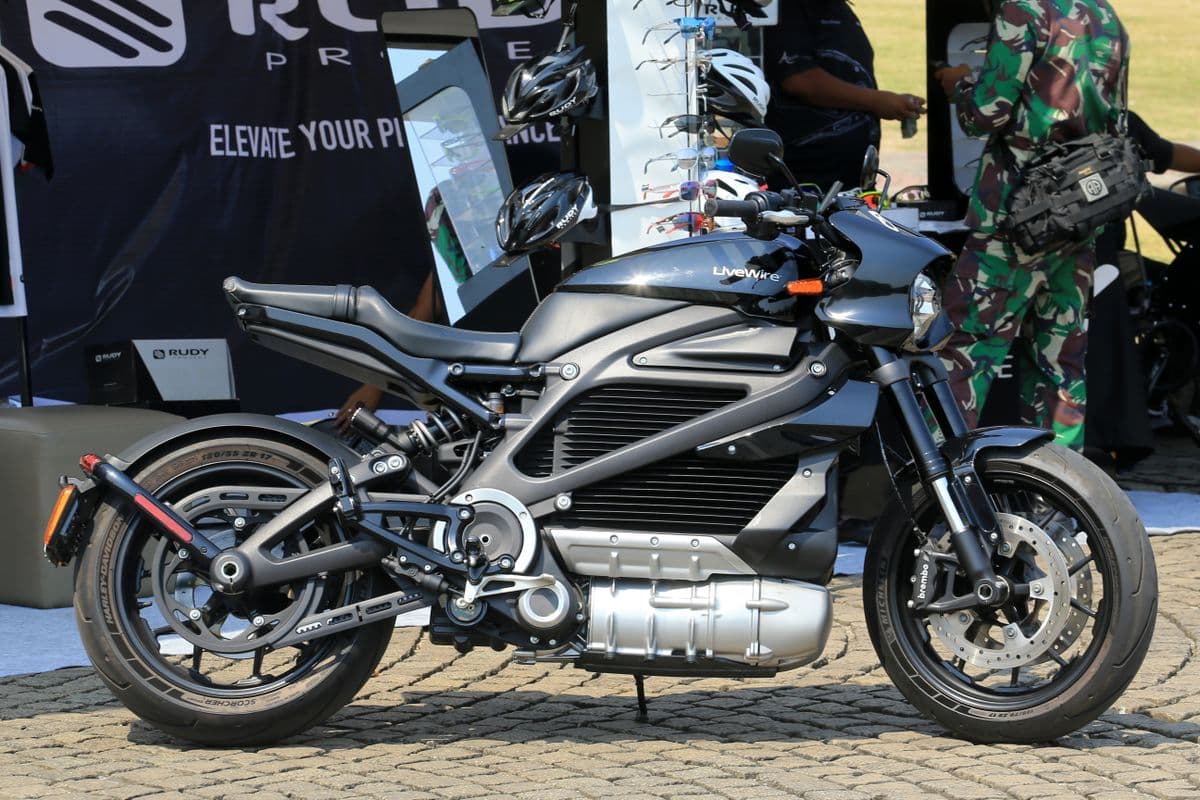
Electric motorcycles in the Philippines have moved from novelty to a real option in 2026, with brands such as NIU, Yadea, Ego, and Horwin bringing a range of models to the market. They span affordable urban commuters to higher-performance machines, and unlike smaller light EVs, they are generally registered and licensed much like petrol motorcycles. Prices and specifications vary widely and change often, so treat everything here as indicative for 2026 rather than exact, and confirm the current details with dealers. Here is a practical look at the models, price bands, range, and charging of electric motorcycles in the Philippines.
What electric motorcycles are available in the Philippines?
The electric motorcycle market in the Philippines has broadened considerably, and several brands now have a visible presence. Names that appear in the market include NIU, well known for stylish urban electric scooters and motorcycles, Yadea, a large global manufacturer with a wide range of electric two-wheelers, Ego, associated with locally available electric motorcycles, and Horwin, known for more performance-oriented models. New entrants continue to arrive, so the lineup keeps growing, and availability of specific models varies by dealer and over time.
These brands cover a spectrum rather than a single type of machine. At the practical end are commuter-focused electric motorcycles and maxi-scooters aimed at daily city riding, prioritizing efficiency, comfort, and low running costs. Further up are sportier and higher-performance models built for stronger acceleration and higher speeds, aimed at riders who want more than basic commuting. Between them sits a growing middle of versatile machines that handle both city and longer suburban rides comfortably.
Rather than fixating on a single brand, the smart approach is to match the machine to your riding needs, which we walk through below. It also helps to see the electric motorcycle as the powerful end of the light-EV family: below it sit e-bikes and electric scooters, and for hauling or livelihood use there are electric tricycles. Our light-EV hub gathers these categories so you can compare them, and the EV glossary defines the technical terms you will encounter.
How much do electric motorcycles cost in the Philippines?
Electric motorcycle prices in the Philippines cover a wide band, so budgeting depends heavily on the type of machine you want. Entry-level commuter models are the most affordable and are aimed at replacing a small petrol motorcycle for city use. Mid-range machines with more range, power, and features cost more, and higher-performance models from the sportier end of the market run higher still. We are deliberately describing bands rather than exact figures, because prices shift with imports, promotions, model updates, and currency movements, so any single number would be misleading. Confirm the current price with the dealer for the specific model you want.
What the extra money buys as you move up the range is fairly consistent across brands:
- Battery capacity, the biggest cost driver, which largely determines range and often accounts for much of the price difference between models.
- Motor power and performance, affecting acceleration, top speed, and how well the bike handles load and inclines.
- Build quality, brakes, and features, where sturdier construction, better braking, and conveniences like connectivity or larger displays add cost.
- Brand reputation and after-sales support, since a brand with established local service and spare-parts availability is worth paying for.
The upfront price of an electric motorcycle can be higher than a comparable small petrol bike, but the running-cost gap works strongly in the electric machine's favor. Charging costs only a small fraction of what fuel costs over the same distance, and maintenance is simpler with no engine oil, spark plugs, or complex fuel system. For a high-mileage rider, those savings can offset a chunk of the price difference over time, a dynamic our EV savings calculator helps illustrate for electric vehicles generally.
What range and performance do they offer?
Range and performance vary widely across electric motorcycles, and advertised figures should be read with the same caution as for any EV. Commuter models are tuned for efficiency and offer range suited to daily city riding, while higher-performance machines may prioritize acceleration and speed, sometimes at the expense of range. In Philippine conditions, with heat, traffic, rider weight, and spirited throttle use, real-world range typically falls below the headline figure, so plan around a sensible buffer rather than the maximum. Buying a model with comfortable range headroom for your commute avoids daily charging anxiety.
Performance is where electric motorcycles often pleasantly surprise riders used to small petrol bikes. Electric motors deliver their pulling power instantly and smoothly, which makes for brisk, quiet acceleration from a standstill, exactly the kind of response that shines in stop-start city traffic. Even modest commuter models feel lively off the line, while performance-oriented machines can be genuinely quick. The trade-off is that sustained high-speed riding drains the battery faster, so the efficiency advantage is greatest in the urban riding most Filipino commuters actually do.
The practical picture for daily use is encouraging: a correctly sized electric motorcycle charged overnight starts each day full and rarely runs short on a normal commute. Range only becomes a real planning factor on long intercity trips, where charging stops matter, a challenge more familiar from the world of electric cars covered in our EV catalog and route planning on the routes page. For city and suburban riding, an electric motorcycle matched to your distance is more than capable, quiet, and cheap to run.
How do you charge an electric motorcycle, and what about battery swapping?
Charging an electric motorcycle is straightforward and cheap, and there are usually two approaches depending on the model. Many electric motorcycles charge from a standard household outlet using the onboard or supplied charger, which makes overnight home charging as simple as plugging in a phone, just larger. Because the battery, while bigger than an e-bike's, is still far smaller than a car's, a full charge costs only a modest amount on a typical Meralco residential rate, far less than the equivalent fuel. The same safety habits apply: use the correct charger, charge in a cool ventilated space, and avoid cheap unbranded batteries.
Some electric motorcycles, particularly certain commuter and delivery-oriented models, use removable batteries, which opens up battery swapping. With a removable battery, you can carry the pack up to your condo or office to charge rather than needing a parking-space outlet, a genuine advantage for riders without convenient parking. Battery swapping networks, where you exchange a depleted pack for a charged one at a station, are an emerging model that can eliminate charging wait times entirely for riders who use them. Availability of such networks varies, so it is worth checking what exists on your routes.
The charging flexibility of electric motorcycles is one of their underrated strengths, especially for urban riders. A removable battery sidesteps the parking-and-outlet problem that complicates charging for many condo dwellers, a challenge we cover for cars in our guide to charging an EV in a condo. Whichever charging method your model uses, the fundamentals of safe charging are the same, and our guide to charging an e-bike or e-scooter safely at home applies equally to electric motorcycle batteries.
Are electric motorcycles registered and licensed like petrol ones?
Unlike smaller, slower light EVs, electric motorcycles generally sit clearly within the rules that apply to motorcycles, which is an important distinction for buyers. In broad terms, a full-sized electric motorcycle is treated much like its petrol equivalent: it is typically registered, carries plates, and requires an appropriate driver's license and a helmet to ride legally on public roads. This is different from a slow, low-powered e-bike or kick scooter, which may be handled more leniently, and it is one reason the category is described as motorcycles rather than casual light EVs.
For a prospective buyer, this means treating an electric motorcycle purchase with the same seriousness as any motorcycle purchase. Expect to handle registration, ensure you hold the correct license, and budget for the associated requirements, just as you would with a petrol bike. A reputable dealer will guide you through what applies to the specific model you are buying, since the exact requirements can depend on the machine and can change over time.
As with our other light-EV guides, this is general information for everyday readers rather than legal advice, and the specific rules and their enforcement can evolve. For authoritative, current requirements, confirm with the LTO or a knowledgeable dealer before you buy. The clarity here is actually reassuring: because electric motorcycles fit the familiar motorcycle framework, there is less ambiguity than with the smaller light EVs, whose classification depends more finely on speed and power, as our e-bike guide and electric scooter guide explain.
Are electric motorcycles worth it in the Philippines?
For the right rider, an electric motorcycle is a genuinely strong proposition in 2026, though the case depends on how you ride. The strongest argument is running cost: charging is dramatically cheaper than fuel, and with no engine oil, spark plugs, or complex fuel system, maintenance is simpler and less frequent. For a high-mileage urban rider, delivery worker, or daily commuter, those savings accumulate quickly and can offset a higher upfront price over the ownership period. The quiet, smooth, instant-torque ride is a pleasant bonus that suits congested city streets well.
The case is weaker for some riders, and it is worth being honest about that. If you regularly ride long intercity distances at speed, the range and charging logistics are less convenient than refueling a petrol bike in minutes, and the charging network for two-wheelers is still developing. Riders without any convenient charging access face the same hurdle, though removable batteries and emerging swap networks help. And as with any EV, very light riders who cover little distance will see smaller running-cost savings, weakening the payback on a higher purchase price.
Weighed overall, an electric motorcycle matched to mostly urban, higher-mileage riding, with convenient charging or a removable battery, is one of the most economical and pleasant ways to get around a Philippine city. Match the machine to your actual riding, confirm the registration and licensing requirements, and factor in the charging method that fits your living situation. To compare it against the lighter, cheaper options, browse the light-EV hub, and to weigh it against a compact electric car, explore the EV catalog and estimate your savings with the EV savings calculator.
Frequently asked questions
What electric motorcycle brands are available in the Philippines?
Brands with a presence in the Philippine market include NIU, Yadea, Ego, and Horwin, among a growing list of entrants. They span affordable urban commuters to higher-performance machines. Availability of specific models varies by dealer and over time, and specifications and prices change often, so confirm the current details with dealers rather than relying on fixed figures.
How much does an electric motorcycle cost in the Philippines?
Prices cover a wide band, from more affordable commuter models up to higher-performance machines that cost considerably more. We describe bands rather than exact figures because prices shift with imports, promotions, model updates, and currency movements. The upfront price can exceed a comparable petrol bike, but far cheaper charging and simpler maintenance work in the electric machine's favor over time, especially for high-mileage riders.
Do electric motorcycles need to be registered in the Philippines?
Generally yes. Unlike slow, low-powered e-bikes or kick scooters, a full-sized electric motorcycle is typically treated like its petrol equivalent, meaning registration, plates, an appropriate license, and a helmet to ride legally on public roads. This is general guidance, not legal advice, so confirm the current requirements for your specific model with the LTO or a knowledgeable dealer before buying.
Can you swap the battery on an electric motorcycle?
Some models, especially commuter and delivery-oriented ones, use removable batteries, so you can carry the pack up to a condo or office to charge instead of needing a parking-space outlet. This also enables battery swapping, where you exchange a depleted pack for a charged one at a station. Swap-network availability varies by area, so check what exists on your routes before relying on it.
Be our partner
Power the Philippines' electric future with us
Earn from an idle charger, or put your brand in front of EV drivers while they charge. Join the EVChargePH network today.