PH EV Scene
Electric Tricycles (E-Trikes) in the Philippines: A Guide (2026)
By EVChargePH Team · July 21, 2026 · 11 min read
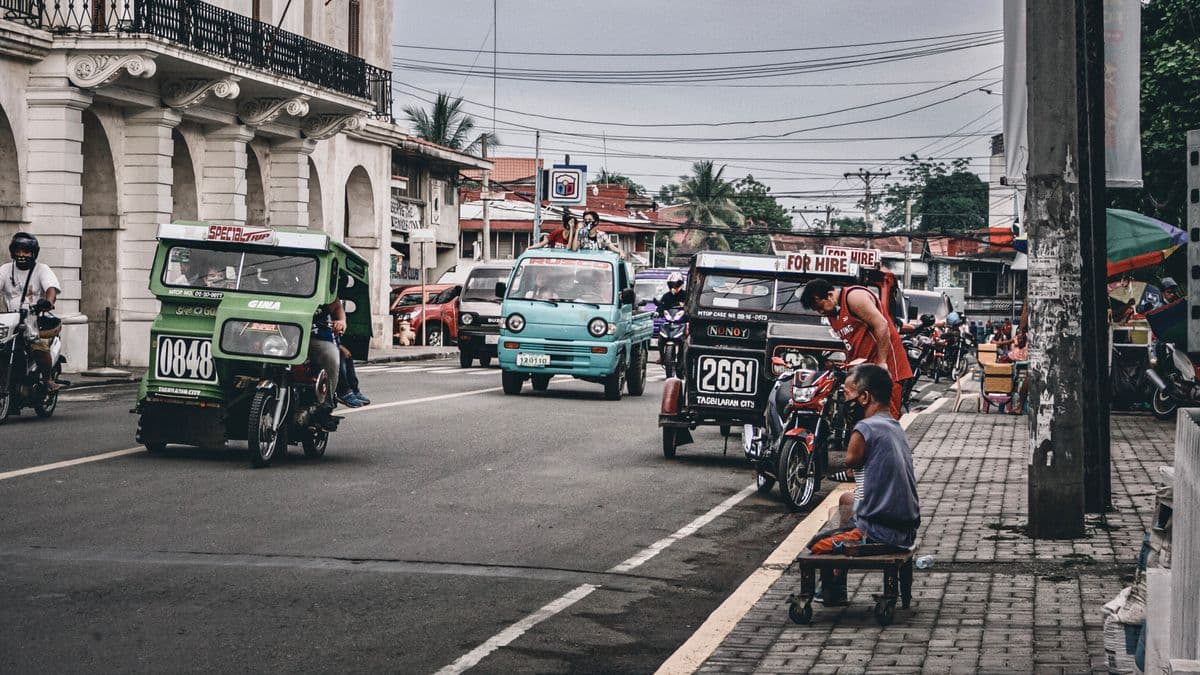
Electric tricycles, widely called e-trikes, are one of the most visible parts of the Philippine light-EV scene, quietly replacing noisy, smoke-belching petrol tricycles in many towns and cities. They serve passenger transport, deliveries, and small-business hauling, offering far lower running costs and cleaner, quieter operation. Because many e-trikes carry passengers for a fee, they touch on registration and franchising rules from bodies like the LTO and LTFRB, which we cover in general terms only, not as legal advice. Here is a practical guide to electric tricycles in the Philippines in 2026.
What are electric tricycles (e-trikes)?
An electric tricycle is a three-wheeled electric vehicle that fills the same role as the familiar petrol tricycle, but with a battery and electric motor in place of a small engine. In the Philippine context, the e-trike is a natural fit, since the tricycle is already a backbone of local transport in countless communities, and electrifying it keeps a proven format while removing the noise, fumes, and fuel cost. The result is a machine that feels familiar to drivers and passengers alike but runs cleaner and cheaper.
E-trikes come in a range of forms to suit different jobs. Passenger models carry a driver and several riders for short local trips, cargo versions are configured for deliveries and hauling goods, and some are built for personal or small-business use rather than public transport. What they share is the electric drivetrain's core advantages: quiet operation, no exhaust fumes, instant low-speed pulling power that suits stop-start neighborhood routes, and dramatically lower energy costs than petrol.
Seen within the wider family of light electric vehicles, the e-trike is the workhorse, sitting alongside lighter personal machines like e-bikes, electric scooters, and electric motorcycles. Where those are mostly about personal mobility, the e-trike is often about livelihood and shared transport. Our light-EV hub gathers all these categories in one place, and the EV glossary explains any terms that come up as you compare them.
What are e-trikes used for in the Philippines?
The e-trike earns its keep through versatility, and its uses in the Philippines cluster around a few practical roles. The most visible is short-distance passenger transport, ferrying riders around neighborhoods, between subdivisions and main roads, and along routes too short or too local for larger vehicles. In this role the e-trike directly replaces the petrol tricycle, offering passengers a quieter, fume-free ride and offering drivers far lower running costs.
Beyond passengers, e-trikes have become useful tools for goods and livelihood:
- Deliveries and cargo, where cargo-configured e-trikes move goods for small businesses, markets, and online-order fulfillment at a fraction of the fuel cost of petrol alternatives.
- Vending and mobile services, with some operators using e-trikes as mobile stalls or service vehicles that run quietly and cheaply all day.
- Personal and community use, where households or small groups use an e-trike for local errands, school runs, and short trips that would otherwise need a car or petrol tricycle.
The common thread is that e-trikes excel at short-distance, stop-start, local-route work, which is exactly where electric drivetrains are most efficient and where petrol engines are least so. For a driver or small operator, the shift from buying fuel daily to charging cheaply overnight can transform the economics of the work, which is why e-trikes have spread so steadily. That running-cost advantage mirrors the broader EV savings you can estimate with our EV savings calculator, amplified by the e-trike's high daily mileage.
How much do e-trikes cost, and how far do they go?
E-trike prices in the Philippines vary widely depending on size, build quality, battery capacity, and configuration, so a firm figure is hard to pin down and we describe bands rather than exact numbers. Simpler, smaller units are more affordable, while larger, sturdier passenger and cargo models with bigger batteries cost more. Treat any figure as indicative for 2026, since prices shift with imports, local assembly, promotions, and currency movements. For a driver or operator, the purchase is best judged against the fuel and maintenance savings it delivers over its working life, not just the sticker price.
Range and speed are tuned to the e-trike's local role rather than long-distance travel. Most e-trikes are designed for short, repeated neighborhood trips at modest speeds, so their range is sized for a working day of local routes with overnight charging, rather than intercity distances. As with all EVs, real-world range depends on load, terrain, heat, and driving style, and a heavily loaded passenger or cargo e-trike will draw more than a lightly used one. Operators typically plan their day around the vehicle's practical range and charge, or swap, as needed.
The economics tend to favor the e-trike precisely because of its usage pattern. A vehicle that runs many short trips all day accumulates large fuel savings when it switches from petrol to cheap electricity, since charging on a typical Meralco residential rate costs a small fraction of the equivalent fuel. Add the lower maintenance of an electric drivetrain, with no engine oil or complex fuel system, and the total cost of ownership can be attractive for a hard-working unit, which is a large part of the e-trike's appeal for livelihood use.
How are e-trikes registered and franchised?
Because many e-trikes carry passengers for a fee, they enter the world of transport regulation, which is more involved than for a purely personal light EV. In broad terms, vehicles used for public passenger transport in the Philippines are subject to registration with the LTO and, for operating as public utility vehicles on specific routes, to franchising and route rules overseen by bodies such as the LTFRB and, in some cases, local government units. The exact requirements depend on how the e-trike is used, its classification, and local policies, and they can differ from one locality to another.
For a driver or operator, the practical implication is that running an e-trike as a passenger vehicle is not the same as buying a personal light EV; it involves the same kinds of permits, registration, and route considerations that apply to tricycle operation generally. Local government units often play a significant role in tricycle regulation, so the rules that matter most may be set at the city or municipal level. Anyone planning to operate an e-trike for hire should clarify these requirements with the relevant authorities before committing, since compliance shapes both the cost and the legality of the operation.
It is important to stress that this is general information for everyday readers, not legal or regulatory advice, and the specific rules, classifications, and franchising arrangements can change over time and vary by locality. For authoritative, current requirements, consult the LTO, the LTFRB, and your local government unit, or a knowledgeable dealer familiar with local e-trike operation. Personal-use e-trikes not carrying passengers for a fee are a simpler case, closer to the other light EVs covered in our e-bike and electric scooter guides, though registration may still apply depending on the unit.
How does battery swapping work for e-trikes?
Battery swapping is one of the most interesting developments for e-trikes, because it directly addresses the biggest limitation of an electric working vehicle: charging downtime. With a swappable-battery e-trike, instead of waiting hours for a depleted pack to recharge, the driver exchanges it for a fully charged one at a swap station and gets straight back to work. For a vehicle whose earnings depend on staying on the road, eliminating charging waits can be transformative.
The swap model reshapes the economics in a few ways worth understanding:
- Uptime improves, since a quick battery exchange replaces a long charging pause, keeping the e-trike earning through the day.
- Upfront cost can fall, because some swap schemes separate the battery from the vehicle purchase, so the driver effectively subscribes to battery access rather than buying the most expensive component outright.
- Battery care is handled centrally, as swap operators manage charging and maintenance of the packs, reducing the driver's exposure to battery aging and replacement costs.
The catch is that battery swapping depends entirely on the presence of a compatible swap network on the routes the e-trike serves, and availability varies by area and provider. Where a network exists, a swappable e-trike can be a compelling choice for a busy operator; where it does not, conventional overnight charging remains the norm. Anyone considering a swap-based e-trike should confirm the network coverage and terms in their specific area first. Whether charging conventionally or swapping, the safe-charging fundamentals still matter, and our guide to charging light EVs safely applies to e-trike batteries too.
Are e-trikes worth it for drivers and operators?
For many drivers and small operators, the e-trike is a genuinely attractive proposition, and its appeal rests on the same running-cost logic that makes EVs compelling generally, amplified by heavy daily use. A tricycle that runs local routes all day burns a lot of fuel over a year, so switching to cheap overnight charging or battery swapping can sharply cut the single biggest operating expense. Add the lower maintenance of an electric drivetrain and the quieter, cleaner operation that passengers appreciate, and the case for a well-used e-trike is strong.
The considerations that temper that case are practical rather than fundamental. The upfront cost and the battery, whether owned or subscribed, are real investments that need to pay back through savings and earnings, so the vehicle must be used enough to justify them. Charging downtime is a genuine constraint unless a swap network is available, and the regulatory side, registration and franchising for passenger use, adds complexity and cost that a petrol operator already faces but that must be planned for. Range sized for local routes is ample for the e-trike's intended job but unsuited to long-distance work.
Weighed overall, an e-trike matched to high-mileage local work, with either reliable overnight charging or access to a battery-swap network, can be one of the most economical vehicles a small operator can run. As with any vehicle-for-hire decision, the key is to confirm the local registration and franchising requirements, size the battery and charging plan to the daily route, and judge the purchase against the fuel and maintenance savings over its working life. To place the e-trike in the wider light-EV picture, compare it with the lighter options on the light-EV hub, and to understand where the broader EV scene is heading, our news section tracks the Philippine market.
Frequently asked questions
What is an e-trike used for in the Philippines?
E-trikes are used mainly for short-distance passenger transport, deliveries and cargo hauling, mobile vending, and local personal or community errands. They directly replace petrol tricycles in many towns, offering quieter, fume-free rides and far lower running costs. Their strength is short, repeated, stop-start local trips, which is exactly where electric drivetrains are most efficient and petrol engines least so.
Do e-trikes need to be registered and franchised?
If used to carry passengers for a fee, e-trikes generally fall under the same kinds of registration and franchising rules as tricycle operation, involving the LTO, the LTFRB, and often local government units, with requirements varying by locality. This is general information, not legal advice, so confirm the current rules with the relevant authorities before operating. Personal-use e-trikes not carrying passengers for a fee are a simpler case.
How does battery swapping work for e-trikes?
With a swappable-battery e-trike, the driver exchanges a depleted pack for a fully charged one at a swap station instead of waiting hours to recharge, keeping the vehicle earning. Some schemes separate the battery from the purchase, lowering upfront cost, and operators handle pack charging and maintenance centrally. It depends on a compatible swap network being available on your routes, so confirm coverage in your area first.
Are e-trikes cheaper to run than petrol tricycles?
Generally yes, often substantially, because a tricycle that runs local routes all day burns significant fuel, and switching to cheap overnight charging or battery swapping cuts that cost sharply. Electricity on a typical Meralco residential rate costs a small fraction of equivalent fuel, and the electric drivetrain needs less maintenance with no engine oil. The savings are largest for heavily used units that cover high daily mileage.
Be our partner
Power the Philippines' electric future with us
Earn from an idle charger, or put your brand in front of EV drivers while they charge. Join the EVChargePH network today.