Cost & Ownership
EV Battery Health in the Philippine Heat: How to Make It Last
By EVChargePH Team · May 29, 2026 · 11 min read
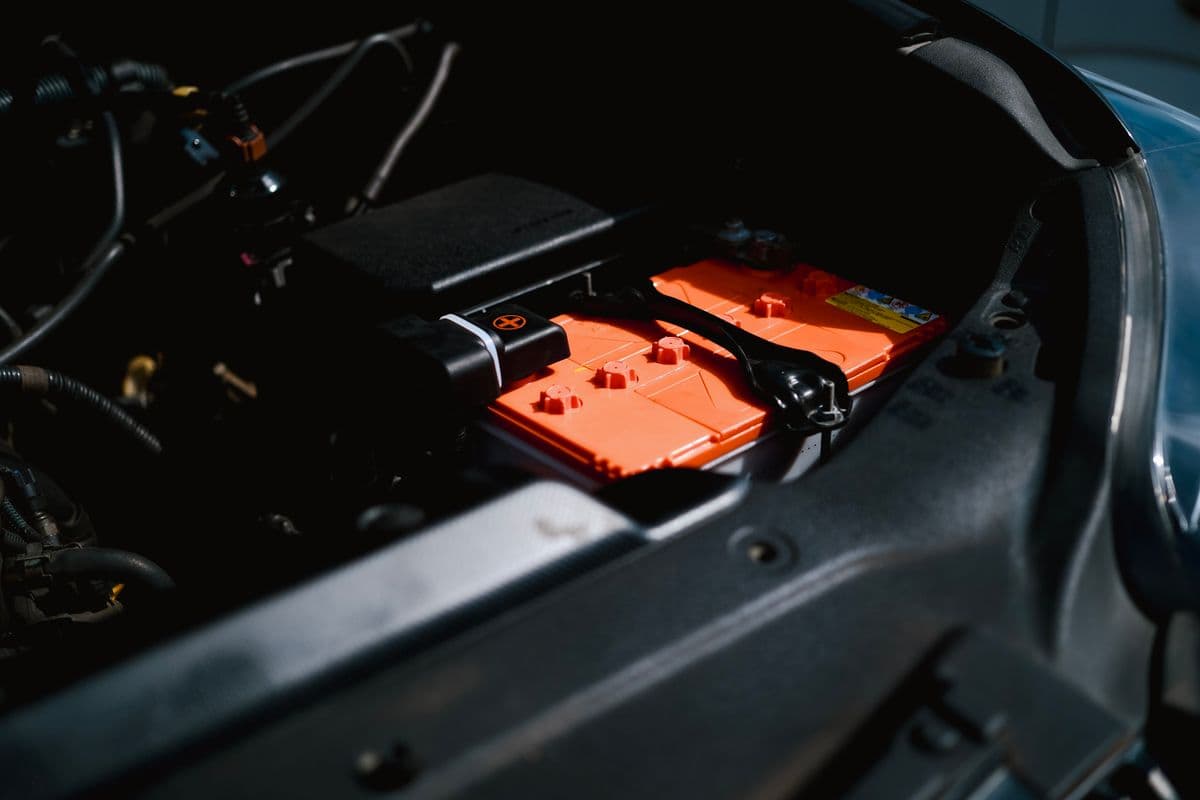
Keeping an EV battery healthy in the Philippine heat is mostly about a few easy habits rather than special equipment. For daily driving, charge to roughly 80 percent instead of 100, lean on slow AC charging at home and save DC fast charging for trips, and try not to leave the car sitting at a full or near-empty charge in direct sun for long stretches. Modern EV batteries are designed to last many years and come with long warranties, so with sensible care your battery should comfortably outlast your loan. Here is how to protect it in our climate.
Does the Philippine heat damage an EV battery?
Heat is the single biggest environmental stress on a lithium-ion battery, and the Philippines delivers plenty of it, so the concern is reasonable but usually overstated. Sustained high temperatures accelerate the slow chemical aging that every battery undergoes, which is why a car baked daily in tropical sun ages a little faster than one in a mild climate. The good news is that the effect is gradual, not sudden, and modern EVs are far better equipped to handle it than early models were.
The key thing to understand is that most EVs sold in the Philippines today use active thermal management, meaning the battery has its own cooling system that keeps it within a safe temperature band even when the ambient air is hot. This is a major reason newer EVs cope well here: the pack is not simply left at the mercy of the weather. When you drive or fast-charge, the cooling system works to keep the cells from overheating, protecting long-term health in exactly the conditions that worry buyers.
What you can control is how you park and charge, which is where good habits pay off. Heat plus a very high state of charge is the least friendly combination for a battery, so the practical takeaways are simple ones we will unpack below. If you are still weighing the overall ownership case, our honest look at whether an EV is worth it puts battery longevity in context, and the EV glossary defines terms like state of charge if any are unfamiliar.
Why should I charge to only 80 percent for daily use?
Charging to about 80 percent for everyday driving is the single most repeated piece of battery-care advice, and it holds up well. A lithium-ion battery experiences the most stress at the very top of its charge range, so habitually filling it to 100 percent and leaving it there puts more strain on the cells over time than stopping at around 80. For daily use, where you rarely need the full range anyway, that last 20 percent simply is not worth the extra wear.
In practice this is easy to do, because most EVs let you set a charge limit in the car or app. Set it to roughly 80 percent for your normal overnight charging and forget about it; the car stops there automatically. You still start every day with plenty of range for commuting and errands, while sparing the battery the stress of sitting full. Our guide to EV home charging covers the wallbox setup that makes this gentle overnight charging so convenient.
The exception is trip days. When you genuinely need the maximum range for a long drive, charging to 100 percent occasionally is perfectly fine, and ideally you time it so you leave soon after rather than letting the car bask at full charge in the heat for hours. The principle is balance, not paranoia: 80 percent for daily life, the full amount when you actually need it. For longer journeys, the routes page helps you plan stops so you rarely sit at full charge anyway.
Is frequent DC fast charging bad for the battery?
DC fast charging is one of the great conveniences of EV ownership, but using it as your everyday method does add more stress than slow AC charging. Fast charging pushes a large amount of energy into the battery quickly, which generates heat, and heat is precisely what you want to limit in a tropical climate. None of this means you should avoid fast charging, only that it is best treated as a tool for trips rather than your daily default.
The healthier pattern for the battery looks like this:
- Charge slowly at home most of the time, on an AC wallbox overnight, which is gentle on the cells and also the cheapest way to charge at a typical Meralco residential rate.
- Use DC fast charging for trips and top-ups, when you need range quickly and the speed genuinely matters, rather than as a substitute for home charging.
- Avoid back-to-back fast charges in extreme heat where you can, giving the pack a chance to cool between sessions on a long, hot drive.
This is the same logic experienced owners follow naturally. Daily slow charging keeps the battery cool and relaxed, while occasional fast charging on the road barely registers against the pack's long life. Our explainer on how long charging takes covers the speed difference between AC and DC, and you can find a fast charger when you do need one. For everyday charging, the cost case for slow home charging is laid out in our EV charging cost guide.
How long does an EV battery actually last?
This is the question that keeps prospective buyers up at night, and the honest answer is reassuring: modern EV batteries are built to last a very long time, typically far longer than people fear. Battery degradation is real but gradual, usually showing as a slow, modest decline in maximum range over many years rather than a sudden failure. Most owners find the loss small enough that it never meaningfully affects their daily driving.
The strongest reassurance is the warranty. EV makers typically back their batteries with long, dedicated warranties measured in years and kilometers, often guaranteeing the battery will retain a certain share of its capacity over that period. This matters for two reasons: it shows the manufacturer's own confidence in battery longevity, and it protects you financially in the rare event of a genuine fault. When comparing models in the EV catalog, the battery warranty is one of the most important figures to check, and model pages like the BYD Dolphin, BYD Atto 3, and Hyundai Ioniq 5 are good places to start.
It is worth framing the figures as approximate, because real-world longevity depends on how the car is used and cared for. A battery treated gently, charged mostly slowly to around 80 percent and kept out of extreme heat at high charge, tends to age more slowly than one fast-charged hard and left full in the sun. But even with average care, today's batteries comfortably outlast a typical car loan, which is why battery anxiety has faded among long-term owners. Our look at BEV versus PHEV versus HEV touches on how battery size and type shape that longevity across different EV kinds.
What daily habits protect an EV battery in the Philippines?
The best battery care is a handful of low-effort habits that fit naturally into Philippine life, and once they become routine you stop thinking about them. None require special equipment or expense; they are simply the gentle defaults that keep a battery healthy in a hot climate. Adopt them and you give your battery the best chance of a long, strong life.
The habits worth keeping are:
- Set an 80 percent charge limit for daily use, charging to full only when you genuinely need the range for a trip, and leaving soon after rather than sitting at full.
- Park in shade or covered parking when you can, since keeping the car cooler reduces the heat stress on the pack, especially when it is fully charged.
- Avoid leaving the battery very low for long periods, as sitting near empty for extended spells is also not ideal; a middle state of charge is kindest if the car will be unused.
- Charge slowly at home most of the time, saving fast charging for trips, which keeps the pack cool and your charging costs low.
- Do not fret over occasional exceptions, because the thermal management system handles a lot, and a one-off full charge or fast charge does no meaningful harm.
The overarching message is balance and gentleness rather than anxiety. EV batteries are robust, warrantied, and managed by clever cooling systems, so you do not need to baby them, just avoid the few habits that pile on unnecessary stress. For drivers who want to go further, pairing these habits with cheap home charging makes the whole ownership experience cheaper and kinder to the battery at once. If you are still researching, our companion piece on EV range in Philippine traffic and heat explains how the same climate affects your day-to-day range, and the EV savings calculator helps you weigh the long-term running-cost upside.
Frequently asked questions
Does the Philippine heat ruin EV batteries?
Not in the way many fear. Heat does accelerate the slow, natural aging of a battery, but most EVs sold here use active thermal management that cools the pack and keeps it within a safe range. Degradation is gradual, not sudden, and sensible habits like charging to about 80 percent and parking in shade reduce the impact. Long battery warranties reflect the makers' confidence in tropical durability.
Should I always charge my EV to 80 percent?
For daily use, yes, since the top of the charge range is where a battery is most stressed, and you rarely need the full range anyway. Set the charge limit in the car or app and it stops automatically. Charge to 100 percent only when you genuinely need maximum range for a trip, ideally leaving soon after rather than sitting at full charge in the heat.
Is fast charging bad for my EV battery?
Frequent fast charging adds more heat and stress than slow charging, so it is best kept for trips rather than daily use. Charge slowly at home most of the time, which is gentle on the cells and cheapest, and use DC fast charging when you need range quickly on the road. Occasional fast charging does no meaningful harm; it is daily reliance on it that adds wear over time.
How long will an EV battery last in the Philippines?
Longer than most people expect. Modern EV batteries are designed to last many years and typically lose range only slowly and modestly over time rather than failing suddenly. Manufacturers back them with long warranties guaranteeing a share of capacity over years and kilometers. With gentle charging habits and shade, a battery comfortably outlasts a typical car loan. Treat any specific figure as approximate.
Be our partner
Power the Philippines' electric future with us
Earn from an idle charger, or put your brand in front of EV drivers while they charge. Join the EVChargePH network today.