Charging 101
Can You Charge an EV from a Regular Outlet or Extension Cord in the Philippines?
By EVChargePH Team · October 12, 2026 · 8 min read
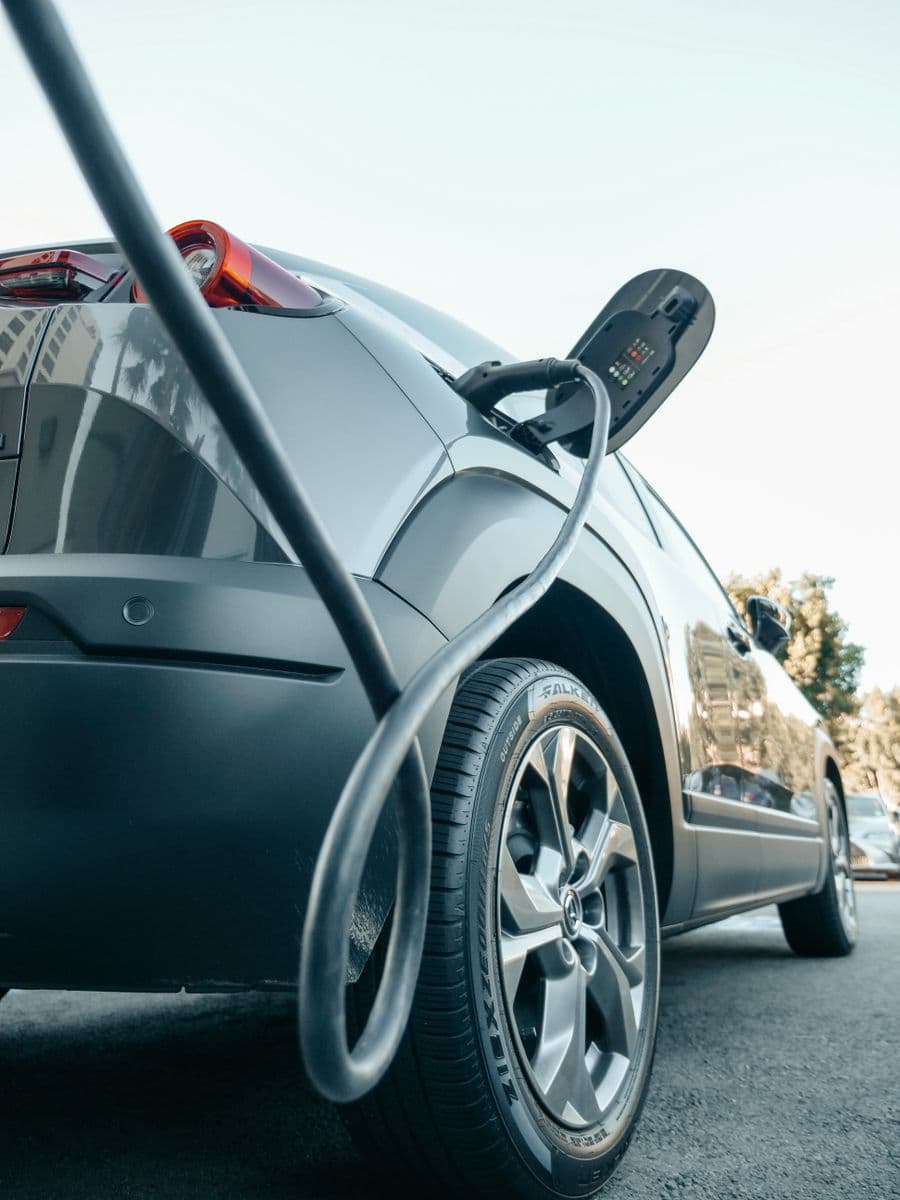
Yes, most EVs sold in the Philippines can charge from an ordinary wall socket using the portable charger supplied in the box. It works as an emergency or overnight top-up, but it is slow, and it puts a steady electrical load on the socket for many hours. Plugging that charger into a regular extension cord or power strip is the step that most often causes overheating, so avoid it.
If you charge most nights, a dedicated wallbox on its own circuit is safer and faster. The wall socket is a backup, not a daily plan.
Can you charge an EV from a normal wall socket?
Usually, yes. Philippine household supply is nominally 230 V at 60 Hz with Type A, B and C sockets, and the portable charger that ships with most EVs (often called a granny or trickle charger) is designed to run from household power. You plug the supply end into the socket, connect the other end to the car, and it charges slowly.
A few things decide whether this works well for you:
- The portable charger must match your car. Use the cable supplied with the vehicle, or an approved replacement from the brand, not a generic one.
- The socket must be in good condition. Loose, discoloured or warm sockets are a warning sign.
- The circuit must be able to carry a continuous load. Charging draws power for hours, which is very different from a kettle or a hair dryer.
Some cars, especially small city EVs and e-bikes, are fine on this. Larger-battery cars will take a very long time. Our guide to how long it takes to charge an EV in the Philippines explains why.
Why is an extension cord the risky part?
A charging session is a continuous load. The cable, plug and socket carry near their working current for hours, and every connection point adds resistance and heat. A typical extension cord or power strip is built for short, intermittent use by lamps, chargers and small appliances, not for an EV.
The Department of Energy's consumer guidance on power strips makes the general point that overloading and poor-quality strips are a fire hazard. For an EV, the risks include:
- Overheating at the plug or cord, especially on thin, coiled or cheap cords.
- Loose contacts that arc or melt over a long session.
- Daisy-chaining, where one strip plugs into another and the weakest link carries the whole load.
- Damp conditions around outdoor or garage connections.
If you must use an extension, it should be a single, heavy-duty, fully uncoiled cord rated by its manufacturer for the load, as short as possible, and never a multi-socket power strip. Check it with your hand during the first hour. If any part is warm to the touch, stop and fix the setup. When in doubt, move the car closer to a proper socket instead.
What is safer than an extension cord?
The order of preference is simple:
- Best: a wallbox (a dedicated home charger) installed by a licensed electrician on its own circuit with proper protection.
- Good: a dedicated wall socket installed for the car, on its own breaker, close to where you park.
- Acceptable in a pinch: the supplied portable charger in a sound, existing socket, with no extension.
- Avoid: power strips, thin cords, shared circuits and anything that gets hot.
A dedicated socket or wallbox lets the electrician size the wiring, breaker and protection for continuous charging. Our home EV charging setup guide and the roundup of best home EV chargers cover what to ask for.
What should you check before plugging in?
Run through this short checklist each time you use a regular socket:
- Inspect the cable and plug for cracks, burn marks or bent pins.
- Plug in firmly so the connection is tight, with no wobble.
- Keep connections dry and off the ground in rain or flooded areas, and read our note on charging in the rain.
- Avoid sharing the circuit with an aircon, water heater or other big loads.
- Check for warmth after the first 30 to 60 minutes, then occasionally.
- Follow the car's manual, which may let you reduce the charging current from the dashboard for extra margin.
If your home has older wiring, ask an electrician to inspect it before relying on it for regular charging.
When does a regular outlet make sense?
It works best in a few situations:
- Low daily mileage. If you only drive a short distance each day, an overnight trickle can be enough.
- Emergency top-ups. It gets you moving when there is no other option, such as at a relative's house in the province.
- Small EVs and e-bikes. Smaller batteries need far less energy. See how to charge an e-bike or scooter safely.
- Short-term setups. While you wait for a wallbox to be installed.
It works poorly if you drive long distances daily, own a large-battery car, or need the car ready quickly.
What if you live in a condo or rent?
Many drivers cannot easily install a wallbox. You still have options: ask your building administration about a shared or dedicated parking-slot socket, look for public AC chargers near home, or use a neighbour's listed charger. Our guide on charging an EV in a condo covers the approvals you may need. You can also find nearby chargers on the EVChargePH map, and if you have a spare socket or wallbox, you can list your charger to earn from it.
What is the bottom line?
A regular wall socket is a legitimate way to charge an EV in the Philippines, as long as you use the supplied portable charger, a sound socket and no flimsy extension cord. For daily use, a dedicated circuit or wallbox is worth the investment, and you can estimate the savings with the EV savings calculator.
*Voltage and socket information from World Standards; power-strip safety guidance from the Philippine Department of Energy. Charging speeds and electrical limits vary by car and installation. Always follow your vehicle manual and have a licensed electrician inspect your wiring.*
Be our partner
Power the Philippines' electric future with us
Earn from an idle charger, or put your brand in front of EV drivers while they charge. Join the EVChargePH network today.