Buying Guide
Electric Scooters in the Philippines: Price & Buying Guide (2026)
By EVChargePH Team · July 23, 2026 · 11 min read
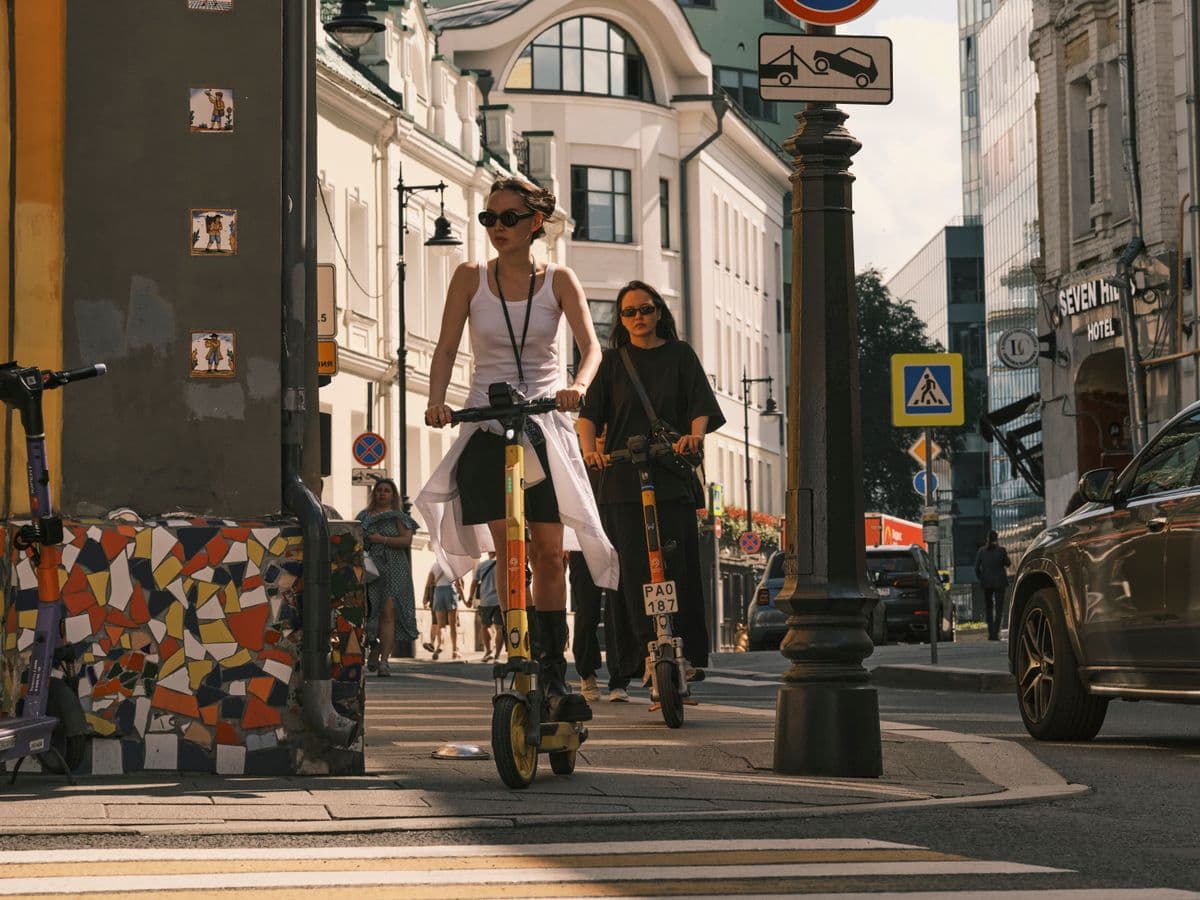
An electric scooter in the Philippines can mean two quite different machines: a standing, foldable kick scooter for short hops, or a larger seated electric scooter closer to a moped. Prices span a wide band from affordable commuter units to premium long-range models, and how your scooter is treated on the road depends mainly on its speed and power. Treat the figures here as indicative for 2026, and confirm the current road rules before you ride, since regulations can change. Here is a practical price and buying guide to electric scooters in the Philippines.
What counts as an electric scooter in the Philippines?
The phrase electric scooter covers more ground than most buyers realize, so the first step is deciding which kind you actually want. At one end is the standing kick e-scooter, a compact, often foldable machine you ride upright, popular for short commutes, last-mile trips from transport hubs, and campus or village use. At the other end is the seated electric scooter, larger and closer to a small moped, with a proper seat, more range, and more power for longer daily rides.
Knowing which category you are shopping in prevents a lot of confusion, because the two differ sharply in price, range, portability, and how they are regulated. A standing kick scooter is light, easy to carry into a condo or office, and ideal for short distances, but it is less comfortable over long rides and less stable on rough roads. A seated electric scooter trades portability for comfort and range, making it a better car or ride-hailing replacement, but it is heavier, pricier, and more likely to fall under motorcycle-style rules.
It also helps to see the electric scooter as one branch of the light-EV family. If you want to pedal or want a more bicycle-like ride, an e-bike may suit you better, while a faster seated ride shades into the world of electric motorcycles. Our light-EV hub lays these categories side by side so you can pick the right one, and the EV glossary defines any unfamiliar terms along the way.
How much do electric scooters cost in the Philippines?
Electric scooter prices in the Philippines vary widely by type and quality, so a realistic budget depends heavily on which kind you want. Basic standing kick scooters are the most affordable, often starting in the low tens of thousands of pesos, which makes them one of the cheapest powered commute options available. Mid-range kick scooters and entry seated models cost more, and premium long-range seated electric scooters with larger batteries and stronger motors run higher still. These are indicative 2026 bands, not fixed prices, since imports, promotions, and currency movements shift the numbers constantly.
As with any light EV, the price climb usually buys you a predictable set of upgrades:
- Battery capacity and range, the single biggest cost driver, so a longer-range scooter costs more largely because of its bigger battery.
- Motor power, which decides how well the scooter climbs inclines and carries a rider through stop-start traffic.
- Build quality, wheels, and brakes, where sturdier frames, larger wheels, and better brakes cost more but ride more safely on imperfect Philippine roads.
- Brand and after-sales support, since local service and spare-parts availability are worth paying for and often separate a lasting scooter from a disposable one.
The temptation to buy the cheapest unit is strong, but a bargain scooter with a weak battery, small wheels, and no local support can disappoint quickly and cost more over its life. A better approach is to buy slightly above your minimum needs, giving yourself range headroom and a longer service life. Because charging is so cheap, the running cost barely registers, so purchase price and durability dominate the value equation, a point echoed in our guide on charging light EVs safely.
What range and speed can you expect?
Range and speed are where the two scooter types diverge most, and where advertised figures deserve healthy skepticism. Standing kick scooters typically offer shorter range suited to last-mile and short-commute use, while seated electric scooters carry larger batteries for longer daily distances. In both cases, the real-world range in Philippine conditions is usually less than the headline number, because heat, hills, rider weight, and stop-start traffic all raise consumption. Plan around a buffer rather than the maximum, and buy more range than your daily distance strictly requires.
Speed follows a similar logic and carries a regulatory twist. Slower, lower-powered scooters are generally simpler to own and are often restricted to certain roads, while faster, more powerful units edge toward the rules that apply to motorcycles. That means the fastest scooter is not always the most convenient one to own, since extra speed can bring extra obligations. Matching the speed to both your route and the rules keeps ownership simple.
For daily commuting, the practical reality is that a scooter sized correctly for your route is rarely limited by range, since you charge it easily overnight and start each day full. Range only becomes a planning factor on unusually long trips, which are often better suited to a larger vehicle anyway. If your trips are long or on fast roads, our guides to electric motorcycles and the wider EV catalog point to more suitable options, and you can gauge the running-cost savings of going electric with our EV savings calculator.
Are electric scooters legal to ride on Philippine roads?
This is the question that catches the most buyers off guard, so it is worth understanding before you spend. In broad terms, how an electric scooter is treated depends on its speed and power. Slower, lower-powered scooters are generally handled more leniently and are often meant for bike lanes, barangay roads, and similar low-speed environments, while faster, more powerful units can carry obligations closer to those for motorcycles, potentially including registration, plates, a license, and a helmet. Where your specific scooter falls depends on its rating and the current rules.
The practical advice is to confirm before you buy, not after. A responsible seller should be able to tell you which bracket a model falls into and what is required to ride it legally on your intended roads. Because the classification hinges on speed and power, a fast seated scooter can quietly sit in the same category as a small motorcycle, which changes your responsibilities. Riding within the rules for your unit, on the roads it is meant for, keeps you safe and avoids trouble at checkpoints.
It bears repeating that this article is general guidance for everyday readers rather than legal advice, and the specific thresholds and their enforcement can change over time and vary by locality. For an authoritative answer about your exact model, check the current requirements with the LTO or a knowledgeable dealer. The faster, clearly road-registered end of this spectrum is covered in more detail in our guide to electric motorcycles in the Philippines, which deals with machines that are licensed and plated like petrol bikes.
How do you charge and maintain an electric scooter?
Charging an electric scooter is refreshingly simple and cheap, which is a big part of the appeal. Most units charge from an ordinary household outlet using the charger supplied with the scooter, and because the battery is small compared with a car, a full charge costs only a few pesos on a typical Meralco residential rate. The key habits are the same ones that protect any lithium battery: use the correct charger, charge in a cool ventilated space, avoid leaving the battery at full charge in the heat for long stretches, and do not routinely run it flat.
Safety is the part of charging that deserves the most attention, because low-quality lithium batteries are a genuine, if uncommon, fire risk. The safest routine is to charge with the original or a properly matched charger, never a random cheap replacement, and to keep charging away from where people sleep, so any rare fault is caught early. Our dedicated guide to charging an e-bike or e-scooter safely at home covers this in full, and it applies just as much to scooters as to e-bikes.
Maintenance beyond charging is minimal, which is one of the quiet joys of an electric scooter. With no engine, oil, or fuel system, upkeep centers on the basics: keep the tires in good condition, check the brakes, keep bolts tight, and protect the electronics from water, especially in the rainy season. Larger wheels and better brakes, worth paying for at purchase, make the ride safer and the maintenance lighter. Treated well, a good scooter runs reliably for years, and when its battery eventually fades, our safety guide explains when replacement makes sense.
Which electric scooter should you buy?
Choosing the right electric scooter comes back to matching the machine to your life rather than chasing the flashiest spec. Start with your typical trip: a short last-mile hop from a transit stop points to a light, foldable kick scooter, while a longer daily commute points to a seated model with more range and comfort. Then weigh portability, since a scooter you carry into a condo or office lift needs to be light and foldable, while one that lives in a garage can be heavier and more capable.
A few questions help finalize the decision:
- How far and how often do you ride? Short frequent hops favor a compact kick scooter; longer daily rides favor a seated model with a bigger battery.
- Where will you keep and carry it? Condo dwellers and office commuters value light, foldable units, while those with parking can choose heavier, longer-range scooters.
- What roads will you use? Confirm your intended model suits those roads under the current rules, since speed and power affect both safety and classification.
- What after-sales support exists? A brand with local service and spare parts is worth a small premium for peace of mind.
Whichever you choose, an electric scooter matched to your route and treated with basic battery care is an inexpensive, low-maintenance way to beat traffic and parking. Compare it against the other light EVs on the light-EV hub, and if you decide a scooter is too small for your needs, the e-bike guide and electric motorcycle guide cover the next steps up. To understand the charging network for larger EVs, you can also find a charger near you or list your own charger once you have one.
Frequently asked questions
How much does an electric scooter cost in the Philippines?
Prices span a wide band. Basic standing kick scooters are the most affordable, often starting in the low tens of thousands of pesos, while seated electric scooters and premium long-range models cost more. Treat any figure as indicative for 2026, since imports, promotions, and currency movements shift prices constantly. Favor build quality and local support over the cheapest unit, since running costs are tiny either way.
Are electric scooters legal on Philippine roads?
It depends on the scooter's speed and power. Slower, lower-powered units are generally treated more leniently and often meant for bike lanes and low-speed roads, while faster, more powerful ones can carry motorcycle-style obligations like registration, plates, a license, and a helmet. This is general guidance, not legal advice, so confirm your specific model's requirements with the LTO before buying.
What is the difference between a kick e-scooter and a seated one?
A standing kick e-scooter is light, often foldable, and ideal for short last-mile trips, easy to carry into a condo or office. A seated electric scooter is larger and closer to a moped, with more range, comfort, and power for longer daily rides, but heavier and more likely to fall under motorcycle-style rules. Choose based on your distance, storage, and road use.
How much does it cost to charge an electric scooter?
Very little. The battery is small compared with a car, so a full charge costs only a few pesos on a typical Meralco residential rate, usually from an ordinary household outlet. The running cost is almost negligible, which is why purchase price, durability, and safe charging matter more than energy cost. Always charge with the correct charger in a cool, ventilated place.
Be our partner
Power the Philippines' electric future with us
Earn from an idle charger, or put your brand in front of EV drivers while they charge. Join the EVChargePH network today.