Charging 101
Is It Safe to Charge an EV in the Rain?
By EVChargePH Team · May 1, 2026 · 7 min read
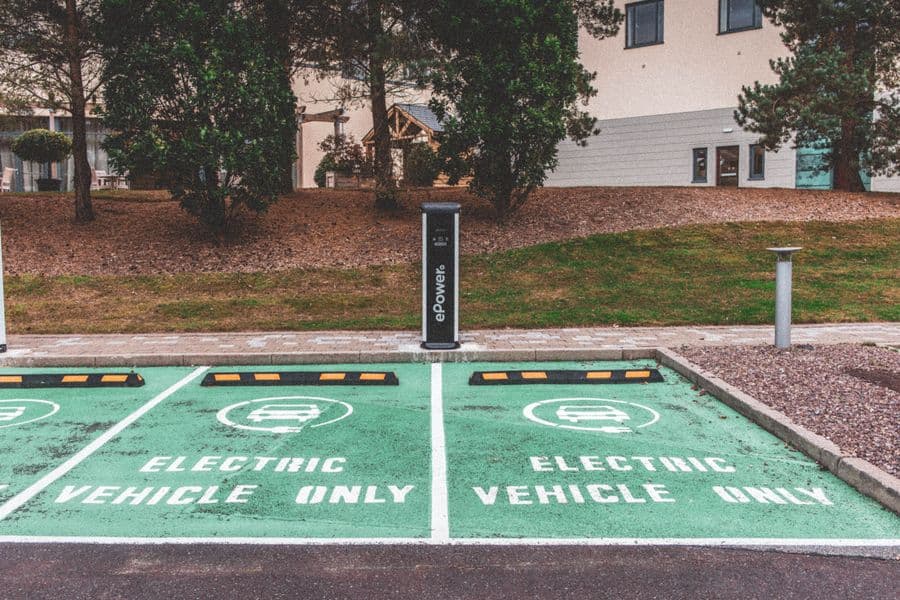
With long rainy seasons and frequent, sometimes dramatic downpours across the Philippines, it is entirely natural to feel a flicker of unease about plugging in a car during a storm. Mixing water and electricity sounds alarming on pure instinct, and that caution is healthy rather than foolish. The genuinely reassuring news is that EV charging is engineered from the ground up to handle wet conditions, and charging in the rain is generally considered safe when proper equipment is used correctly. This is not a leap of faith; it is the result of deliberate design.
This guide explains why the technology is built to cope with rain, the sensible precautions that are still worth taking, and the specific considerations that matter most in the Philippine climate, where flooding rather than rain itself is the real concern to keep in mind.
Why Charging in the Rain Is Designed to Be Safe
EVs and their charging equipment are not delicate electronics that quietly fear a few drops of water. They are built for the real world, including bad weather, and a great deal of engineering thought goes into making outdoor charging safe and routine.
- Sealed connectors. Charging plugs and ports are specifically designed to keep water away from the live electrical contacts when they are properly connected together. The fit is engineered to shield the conductive parts from the elements.
- Built-in safety checks. As described in our guide to AC versus DC charging, the car and charger communicate with each other before any significant power flows at all. Power is not simply live the instant you plug in; the system first confirms a safe, correct, complete connection. This handshake is a quiet but genuinely important safety layer.
- Protective shutoffs. Charging equipment is generally built to detect faults and cut power automatically if something is wrong, which guards against dangerous conditions before they can ever develop into a real problem.
In other words, the whole system assumes from the outset that it might get rained on, and it is built accordingly. The very existence of outdoor public chargers, which you can locate easily when you find a charger, is itself proof that charging in the open air is an expected, everyday scenario rather than a risky exception that engineers overlooked.
How the Plug Itself Stays Safe in the Wet
It is worth understanding a little more about why the moment of plugging in, which feels like the riskiest part to a nervous newcomer, is actually carefully controlled. The connection is not a crude metal-to-metal contact that goes live the instant it touches.
- When you insert the plug, the conductive parts are recessed and shielded inside the housing, away from direct exposure
- The car and charger run a brief electronic conversation to confirm everything is correctly seated and safe before meaningful power is allowed to flow
- Only once that check passes does the system energize the connection, and it continues monitoring throughout
This sequence means that even if rain is falling on the plug as you connect it, there is no live, exposed conductor for water to bridge at the critical moment. The design deliberately separates the physical act of plugging in from the moment power actually flows. Understanding this tends to dissolve the instinctive worry, because it shows the safety is built into the very order of operations rather than left to chance or to you keeping everything perfectly dry.
Sensible Precautions to Take
Safe by design does not mean that careless behavior is suddenly fine. A few common-sense habits keep things trouble-free and protect your equipment over the long term.
- Keep connectors clean and dry where you reasonably can. Wipe off obvious mud or debris before plugging in, and avoid setting the plug directly into a puddle on the ground. A moment of simple care prevents grit and standing water from getting where they should not be.
- Inspect cables for damage regularly. Do not use equipment with visibly frayed, cracked, or broken cables, rain or shine. Damaged insulation is a genuine hazard regardless of the weather, and the wet season is the worst time to ignore it.
- Use proper, intact equipment. Stick to chargers and cables that are in good, sound condition rather than improvised or makeshift solutions. This is doubly important for the home setups covered in our guide to home charging setup, where you control the quality of the installation.
- Avoid charging in genuinely extreme conditions such as active flooding. If water is rising around your parking area, prioritize safety above all and simply wait it out.
Special Notes for Philippine Weather
The local climate brings a couple of extra considerations that deserve specific attention, because they differ meaningfully from the generic advice you might read for milder parts of the world.
- Flooding is the real concern, not rain itself. Light or even heavy rain is one thing, and the technology handles it routinely every single day. Deep floodwater around electrical equipment is an entirely different and far more serious matter. Never attempt to charge a vehicle that is sitting in flood conditions, and treat rising water as a clear, immediate signal to stop. This is comfortably the single most important rule for the wet season.
- Lightning and severe storms. During intense electrical storms, some owners simply prefer to wait until it passes, much as you might unplug sensitive appliances at home during a bad storm. This is more about general personal caution than any specific charging flaw, and it is a perfectly reasonable choice to make.
- Home setups matter most of all. For home charging, having equipment installed by a licensed electrician with appropriate weather protection adds real, lasting peace of mind. A professional installation accounts for drainage, mounting height, and shelter in ways that a hasty do-it-yourself setup easily might not.
Putting Rainy-Season Charging in Context
It helps to remember that charging in the rain is not some exotic edge case that nobody has tested. Across the world, millions upon millions of charging sessions happen in wet weather every single day without incident, and the Philippine experience is no different in this respect. The same equipment that calmly handles a European drizzle or a tropical downpour elsewhere works perfectly well here too. This everyday reliability is part of what makes EV ownership genuinely practical year-round, a theme that runs through our broader look at the EV revolution in the Philippines.
The wet season also pairs naturally with good charging habits more generally. The same planning that helps you choose between public versus home charging applies neatly in the rain as well: a sheltered home charger for daily use, and well-sited public stations for travel, together cover almost every situation comfortably. Keeping a healthy battery through all of this matters too, and the gentle, sensible care described in our guide to battery care tips applies in any weather, wet or dry.
Practical Habits for the Wet Months
Beyond the underlying safety of the equipment, a handful of seasonal habits make charging through a long Philippine rainy season feel completely routine rather than something to dread. None of them are demanding, and together they remove almost all of the residual worry.
- Choose sheltered charging where you can. A covered carport, a roofed public bay, or a charger under an overhang keeps both you and the equipment out of the worst of the downpour, which is simply more pleasant even though the gear would cope regardless.
- Plan around flood-prone spots. If you know certain low-lying parking areas tend to gather water in heavy rain, avoid leaving the car to charge there during a storm, and have an alternative in mind.
- Keep a small towel in the car. Wiping a wet plug or port before connecting takes seconds and keeps grit and standing water out of the contacts, a tiny courtesy to your own equipment.
- Stay weather-aware on trips. During the wettest stretches of the year, a glance at conditions before a long drive helps you time charging stops sensibly and avoid being caught in the very worst weather.
These habits are less about avoiding danger, since the technology already handles ordinary rain, and more about comfort, equipment longevity, and the simple confidence that comes from a settled routine. Owners who adopt them quickly stop noticing the rain at all when it comes to charging, treating a wet plug-in exactly the same as a dry one. The wet season becomes just another part of the year rather than a recurring source of hesitation.
The Bottom Line
As of 2026, the conclusion is straightforward and genuinely reassuring: charging an EV in ordinary rain is something the technology is specifically designed to handle, and it happens safely countless times worldwide every day. The key is simply to use undamaged, proper equipment and to apply basic common sense, paying particular and serious attention to flooding rather than to rain itself.
Respect the conditions, keep your gear in good shape, have home equipment installed professionally, and never charge in floodwater, and a rainy day need not interrupt your charging at all. The weather that worries so many newcomers turns out, in practice, to be one of the more manageable parts of EV life. To see how charging safety fits into the wider ownership picture, our overview of how it works is a helpful next read, and owners with sheltered parking can even help others charge comfortably in any weather by choosing to list your charger.
Be our partner
Power the Philippines' electric future with us
Earn from an idle charger, or put your brand in front of EV drivers while they charge. Join the EVChargePH network today.