Buying Guide
BEV vs Hybrid vs PHEV: Which One Suits You?
By EVChargePH Team · April 25, 2026 · 9 min read
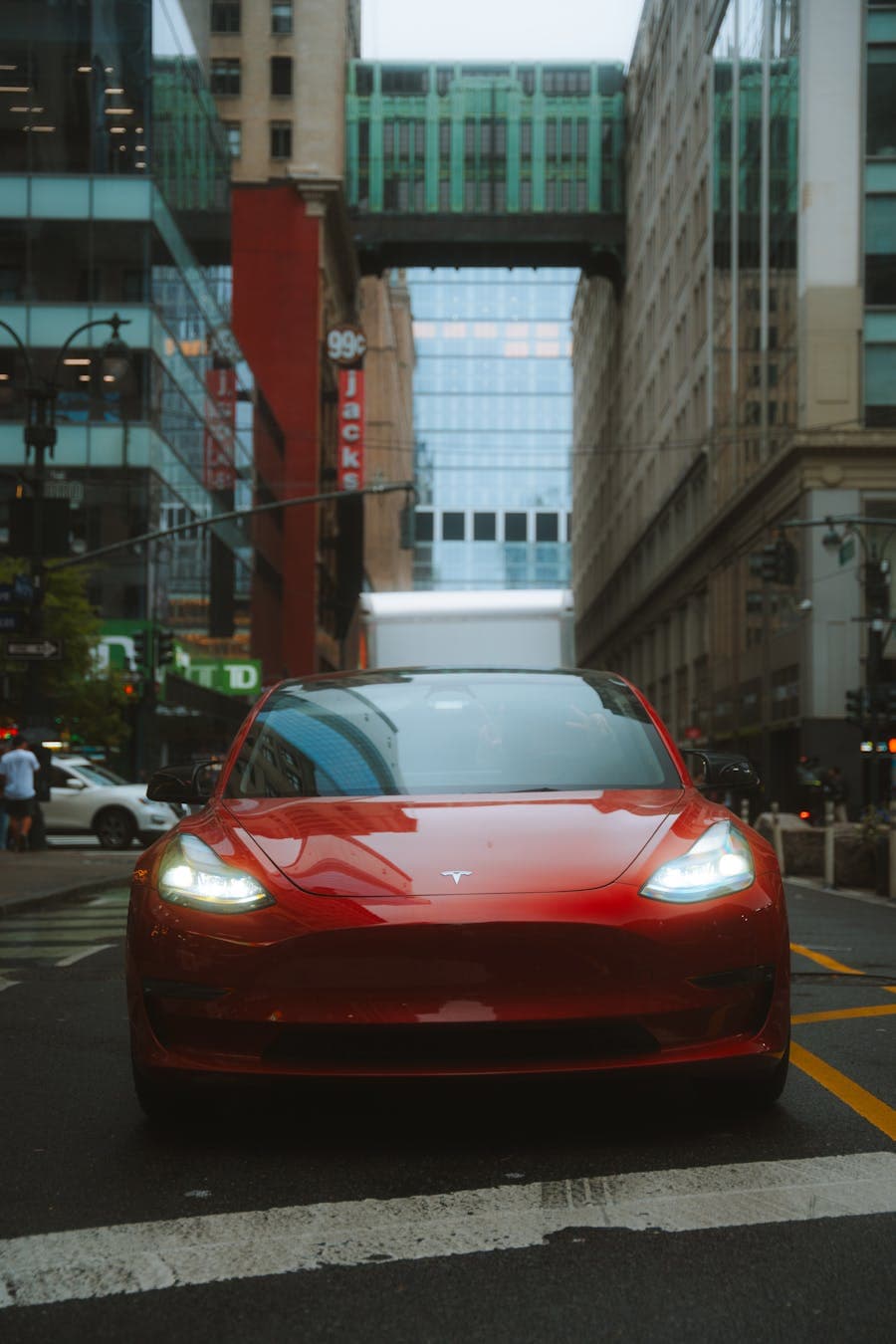
Shopping for an electrified car in the Philippines can feel like alphabet soup. BEV, HEV, PHEV — three short acronyms that all promise lower running costs, yet suit genuinely different lifestyles. Picking the wrong one is an expensive mistake, because a car bought for the wrong reasons becomes a daily frustration rather than the upgrade you imagined. The encouraging news is that the decision is far simpler than the jargon suggests, once you understand what each type actually does and, more importantly, what your own week looks like. Before you set foot in a showroom and get swept up by a salesperson's enthusiasm, it pays to know which side of this fork in the road you belong on. This guide walks through the three types, the one factor that decides between them for most Filipino buyers, and the honest trade-offs nobody mentions in the brochure.
The three types, explained plainly
The differences come down to two questions: where the energy comes from, and whether the car plugs in at all. Strip away the marketing and it really is that simple.
- BEV (Battery Electric Vehicle) runs purely on a battery and one or more electric motors. There is no engine, no fuel tank, and no tailpipe. You charge it the way you charge a phone — at home overnight, or at a public station when you are out and about. Local examples include the BYD Atto 3, the Nissan Leaf, and the Hyundai Ioniq 5.
- HEV (Hybrid Electric Vehicle) pairs a petrol engine with a small battery and electric motor, but it never plugs in. The battery recharges itself as you drive, mostly by recapturing energy when you brake or coast. You still buy fuel, just noticeably less of it. Toyota's hybrid range is the obvious local reference point and, for many, the gateway into electrified driving.
- PHEV (Plug-in Hybrid Electric Vehicle) sits squarely in the middle. It carries a larger battery you plug in for a modest all-electric range — often enough for a daily commute — and then falls back on its petrol engine for longer journeys. It is the belt-and-suspenders option for people who want electric running costs most days without ever worrying about being stranded.
If you want a deeper comparison of the two electrified extremes purely on cost, our breakdown of EV versus hybrid running costs is a useful companion to this article and puts real numbers behind the choice.
The single biggest deciding factor: where the car sleeps
Almost every other consideration flows from one deceptively simple question — where will the car spend the night, and can it charge there? A BEV is wonderful if you have a garage or carport with a power outlet, because you wake up to a full battery every single morning and may rarely touch a public charger from one month to the next. Without that, the entire calculation changes, and pretending otherwise is how people end up disappointed and back at the dealer within a year.
Think it through honestly against your own living situation rather than an ideal one you wish you had. A homeowner with a private driveway is in a completely different position from a condo dweller with a numbered slot in a shared basement, or from someone who parks on the street outside a rented house. The three types map neatly onto those realities once you stop and look.
- If you have reliable home charging, a BEV is usually the cleanest fit and the cheapest to run per kilometre. You can set up a proper home charging arrangement and largely forget about petrol stations for the life of the car.
- If you have no dependable place to charge — you park on the street, or in a building with no EV provisions and no near-term plan to add them — a self-charging HEV sidesteps the problem entirely. You refuel anywhere, in minutes, and still beat a conventional car on economy.
- If your situation is somewhere in between, a PHEV lets you run daily errands on cheap electricity and road-trip on petrol, so a missing or busy charger never strands you mid-journey or forces an awkward detour.
This is precisely why we always tell first-time buyers to settle the parking question before falling in love with a particular model, paint colour, or screen size. You can check what public options genuinely exist near your home and office on the charger map, which often reveals in a few taps whether BEV ownership is realistic for your block or simply wishful thinking.
How each type matches a real Filipino routine
Abstract definitions only get you so far, so picture three common drivers and see where each one lands. Consider first the metro commuter who drives EDSA to the office and back on weekdays, with mall and grocery runs on weekends. A BEV thrives here — stop-and-go traffic actually suits electric motors beautifully, the daily distance sits well within range, and charging happens at home, cheaply, while the household sleeps. This driver may visit a public charger only on the rare long trip out of town, and otherwise barely thinks about it.
Now consider the provincial driver, or the city dweller stuck in a condo without any charging provision at all. For them, an HEV removes range anxiety completely and asks nothing new of their routine. There is nothing to plan and nothing to plug in; the car simply uses less fuel than a comparable petrol model, especially in the kind of crawling traffic where conventional engines are at their thirstiest and most wasteful. It is the lowest-friction way to spend less on fuel without changing a single habit, which is a genuinely valuable thing for a busy person juggling work and family.
Finally, picture the household whose daily driving is short and electric-friendly but who takes regular long trips — to the hometown, the beach, or distant relatives — where charging would still be a hassle today. The PHEV is built for exactly this person. Plug in nightly and most weekday driving costs almost nothing in fuel; the engine only wakes up for highways and far-flung weekends away. The catch, and it is an important one worth repeating, is that you carry both a battery and an engine, so the car is heavier, pricier, and only pays off if you actually plug it in religiously. A PHEV that never gets charged is just a heavy, thirsty hybrid that flatters nobody and wastes the very feature you paid extra for.
The cost picture beyond the sticker
Purchase price is only the opening chapter of ownership, and arguably the least telling one once the car is actually yours and racking up kilometres. BEVs tend to have the lowest cost per kilometre and the simplest maintenance — no oil changes, no exhaust, far fewer moving parts to wear out — which our look at EV maintenance savings explores in detail. HEVs split the difference, cutting fuel use meaningfully while still needing largely conventional servicing on a regular schedule. PHEVs are mechanically the most complex of the three, carrying both systems at once, so factor that into long-term upkeep expectations rather than assuming hybrid simplicity will carry over.
Three running-cost levers matter most when you compare options on paper, and it is worth weighing all three together.
- Energy cost favours BEVs most, particularly if you charge on a residential rate overnight or pair charging with home solar over the years.
- Maintenance is simplest on a BEV, moderate on an HEV, and most involved on a PHEV with two complete drivetrains to look after and service.
- Incentives can tilt the maths firmly in your favour; the EVIDA law and current EV incentives are well worth checking before you sign anything, because policy can change the effective price you pay.
Run these numbers against your own real mileage, not a national average that may have nothing to do with how you drive. A pricier BEV can comfortably undercut a cheaper petrol car over a few years of ownership once fuel and servicing are properly included, but only an honest look at your kilometres tells the true story for your situation.
Questions to ask yourself before you decide
A few minutes of honest reflection here saves years of quiet regret later. Sit with these questions before you start visiting showrooms and getting talked into things.
- Where will the car sleep at night, and can I realistically add an outlet or wallbox there without a major, costly renovation?
- How long is my typical daily drive, and how often do I take long trips that comfortably exceed a single charge?
- Am I genuinely comfortable planning the occasional charging stop, or do I want absolutely zero change to my current routine?
- What is my honest budget once incentives, fuel savings, and maintenance are all folded into the picture rather than just the sticker price?
The honest summary
There is no universally best choice here — only the best choice for your parking, your routes, and your appetite for new habits. As of 2026 the Philippine charging network is expanding quickly but remains uneven outside the major cities, which is exactly why home charging access is the single decisive variable for most buyers. Get that one detail straight and the rest of the decision tends to resolve itself almost automatically, with the right type becoming obvious rather than agonising.
If you land on going fully electric and you happen to have a spare slot with power, there is even a way to make the investment pay back a little faster over time: hosts can list their charger for nearby drivers to use. However you decide, take a back-to-back test drive of the cars on your shortlist, drive each in real traffic rather than an empty showroom loop, and let your own week — not the brochure or the salesperson — make the final call. Buy for the life you actually live, and an electrified car of any kind will reward you for years.
Be our partner
Power the Philippines' electric future with us
Earn from an idle charger, or put your brand in front of EV drivers while they charge. Join the EVChargePH network today.