PH EV Scene
Common EV Myths in the Philippines, Debunked
By EVChargePH Team · May 21, 2026 · 11 min read
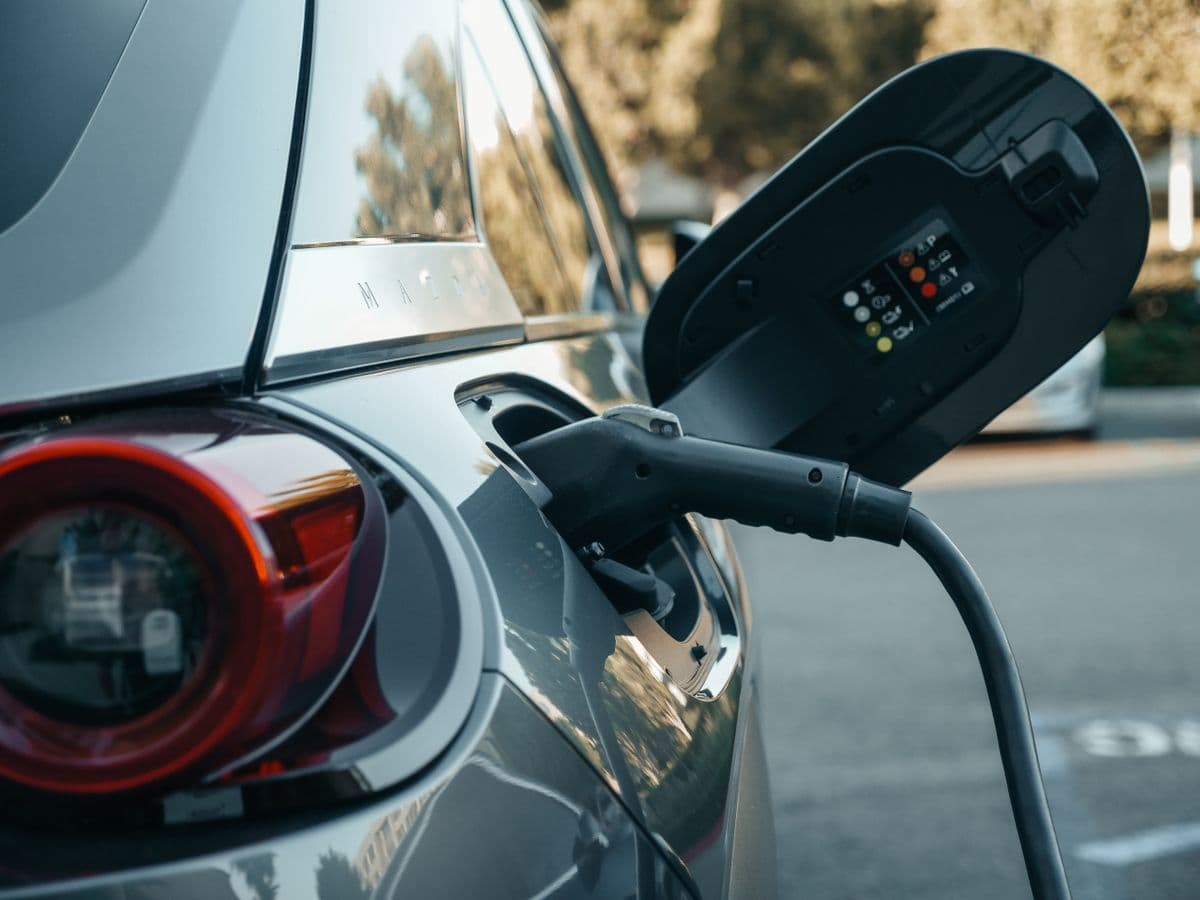
Many of the worries that hold back EV buyers in the Philippines are myths that do not survive a closer look. EVs are safe to drive in the rain and through normal flooded streets, they are not prone to spontaneous fires, they do not collapse the grid or hinge on never having a brownout, and over time they are often cheaper to run than petrol cars despite a higher sticker price. Range, the most common worry, is largely a planning matter rather than a real limitation for most drivers. Here are the common EV myths, debunked one by one, with the reality framed honestly.
Myth: EVs do not have enough range for the Philippines
Range anxiety is the most widespread EV myth, and while range is a real consideration, the fear is largely overblown for how most Filipinos actually drive. The worry imagines a driver constantly stranded with a dead battery, but the reality is that the typical daily commute and errands fall well within the range of even affordable EVs, and you start each day with a full battery from overnight home charging. For everyday life, range simply is not the constraint people fear.
The myth persists because it applies petrol-car thinking to an EV. A petrol driver refuels occasionally at a station, so they imagine the same anxiety amplified by slower charging. But EV ownership inverts that: you mostly charge at home while you sleep, so you rarely think about range at all during normal life. Our guide to EV range in Philippine traffic and heat explains how real-world range works, and why the stop-start traffic here actually suits EVs well.
Where range does require thought is the occasional long trip, and even there it is a planning matter rather than a barrier. With improving fast-charging coverage on major corridors, road trips are entirely practical with a little preparation, as a quick look at the routes page shows. You plan a stop or two, charge while you rest, and continue. So the honest verdict is that range is manageable, not magical: a real factor to plan around on trips, but not the daily limitation the myth imagines. The routes page and the map make that planning straightforward.
Myth: brownouts make EVs impractical
A common Philippine-specific worry is that frequent brownouts make EVs impractical, the fear being that you will be left unable to charge when the power cuts out. In reality this concern is far smaller than it sounds, because EV charging is flexible in a way that absorbs occasional outages easily. You do not need power at one specific moment; you need it over the many hours your car sits parked, so a short brownout rarely affects your ability to keep the car charged.
The flexibility of charging is the key. Because you typically charge overnight over a long window, an interruption to power simply pauses charging, which resumes when power returns, and the car still gets enough charge across the night. Unlike a petrol car that needs a working pump at the moment you refuel, an EV's long charging window gives it built-in tolerance for the kind of intermittent outages that occur. A large battery is also a substantial buffer in itself; with sensible charging habits you are rarely so close to empty that a single missed charge strands you.
It is fair to acknowledge that areas with severe, prolonged power problems present more of a challenge, and honesty matters here. But for the typical experience of occasional, short brownouts, EVs cope perfectly well, and the public and peer-to-peer charging network provides backups when home charging is disrupted. You can always find a charger elsewhere if needed, and our guide to EV home charging covers the overnight setup that makes outages a non-issue for most owners. The myth that brownouts doom EVs simply does not match how flexible charging actually is.
Myth: EVs are dangerous in rain and floods
Perhaps the most persistent safety myth in the Philippines is that EVs are dangerous in the rain or will electrocute you in floods, a fear amplified by our wet season and flood-prone streets. This is fundamentally a misunderstanding of how EVs are built. Electric vehicles are engineered and tested to be safe in wet conditions, with high-voltage systems sealed and protected, and they carry water-resistance ratings precisely because driving and charging in the rain is a normal expectation.
The reassuring facts are these:
- Charging in the rain is safe by design, since charging equipment and connectors are built and rated to handle wet conditions, with safety systems that prevent current flowing where it should not.
- EVs handle normal wet roads like any car, with their sealed high-voltage systems isolated from the cabin and the elements, so ordinary rainy-season driving poses no special electrical risk.
- Driving through flooded streets follows the same caution as any car, since deep water is a hazard for every vehicle, and the sensible rule is to avoid deep floods regardless of what you drive.
The crucial nuance is that the danger of deep floodwater is universal, not EV-specific. No sensible driver, in any car, plows through deep flooding, because water damage and stalling threaten petrol cars just as much. An EV is not uniquely vulnerable here; if anything its sealed electrical architecture is well protected. Our guide on charging safely in the rainy season reinforces that wet-weather charging is routine and safe. The myth conflates the universal hazard of deep flooding with a non-existent special electrical danger, and once separated, the fear largely dissolves.
Myth: EV batteries catch fire easily
The fear that EV batteries spontaneously catch fire is fuelled by dramatic but rare news stories, and it badly misrepresents the actual risk. EV fires are uncommon, and the image of cars routinely bursting into flames simply does not match reality. All vehicles carry some fire risk, petrol cars very much included given they carry a tank of flammable fuel, and the rarity of EV fires relative to the size of the fleet should be reassuring rather than alarming.
The myth thrives on a perception gap. Because EVs are newer and any fire involving one is unusual, such incidents draw outsized media attention, while the far more numerous petrol-car fires barely register as news. This skews public perception toward thinking EV fires are common when the opposite is true. Modern EVs are built with extensive battery safety engineering, including thermal management and protective systems designed specifically to prevent the conditions that could lead to a fire, as our guide to EV battery health touches on.
Sensible ownership reduces even the small risk further. Using proper, correctly installed charging equipment, following the gentle charging habits that keep a battery healthy, and not tampering with the high-voltage system all keep an EV firmly in safe territory. The honest framing is that no vehicle is entirely without fire risk, but EVs are not the tinderboxes the myth suggests, and a well-cared-for EV charged on a properly installed setup is a very safe thing to own. The drama of the rare incident should not outweigh the reassuring reality of the common case.
Myth: EVs are too expensive to be worth it
The cost myth comes in two flavors, that EVs are simply too expensive, and that they never pay back their higher price, and both deserve a nuanced answer rather than blind cheerleading. It is true that many EVs carry a higher upfront price than comparable petrol cars, so the sticker-shock part of the myth has a kernel of truth. But the myth fails when it stops at the purchase price and ignores the running costs, where EVs claw back the difference, often substantially.
The full cost picture works like this:
- Running costs are far lower, with home charging at a typical Meralco residential rate working out to roughly 1.5 to 3 pesos per kilometer, often less than half what petrol costs over the same distance.
- Maintenance is cheaper and simpler, since EVs have far fewer moving parts, with no oil changes and less to wear out, as our guide to EV maintenance explains.
- Incentives narrow the upfront gap, with policy measures helping bring EV prices closer to petrol equivalents than the headline figures suggest.
Put together, these mean that over the ownership period an EV is often cheaper overall than a petrol car, especially for higher-mileage drivers who reap more charging savings. The honest caveat is that the case is strongest for those who drive enough and can charge conveniently; a very light driver who cannot charge easily benefits less. But the blanket myth that EVs are never worth it collapses under the running-cost math. Our EV charging cost guide and our honest look at whether an EV is worth it lay out the numbers, and the EV savings calculator lets you test it against your own driving. Browse the EV catalog to see what fits your budget, including value models in our best EVs under 1.5 million pesos roundup.
Frequently asked questions
Is range anxiety a real problem with EVs in the Philippines?
Less than the myth suggests. Most daily driving falls well within the range of even affordable EVs, and you start each day fully charged from home, so range rarely matters in normal life. It becomes a planning factor only on long trips, where improving fast-charging coverage makes road trips practical with a stop or two. Range is something to plan around on occasion, not a daily limitation for most drivers.
Are EVs safe to drive and charge in the rain or floods?
Yes. EVs are engineered and tested for wet conditions, with sealed, protected high-voltage systems and charging equipment rated to handle rain safely. The real hazard is deep floodwater, which is dangerous for every vehicle, petrol cars included, so the sensible rule of avoiding deep floods applies regardless of what you drive. An EV is not uniquely vulnerable in the rain; that fear misunderstands how the cars are built.
Do brownouts make owning an EV impractical?
Generally no. EV charging is flexible, usually happening overnight over many hours, so a short brownout simply pauses charging, which resumes when power returns, and the car still charges enough. A large battery is also a buffer, so you are rarely stranded by one missed charge. Public and peer-to-peer chargers provide backups. Severe, prolonged outages are more challenging, but occasional brownouts pose little real problem.
Are EVs actually cheaper than petrol cars in the long run?
Often yes, despite a higher upfront price. Home charging works out to roughly 1.5 to 3 pesos per kilometer, frequently less than half what petrol costs, and maintenance is cheaper with far fewer moving parts. Incentives narrow the purchase-price gap too. Over the ownership period an EV is often cheaper overall, especially for higher-mileage drivers. The case is weaker for very light drivers who cannot charge conveniently, so match the car to your life.
Be our partner
Power the Philippines' electric future with us
Earn from an idle charger, or put your brand in front of EV drivers while they charge. Join the EVChargePH network today.