Buying Guide
Best EVs Under ₱1.5M in the Philippines (2026)
By EVChargePH Team · June 3, 2026 · 11 min read
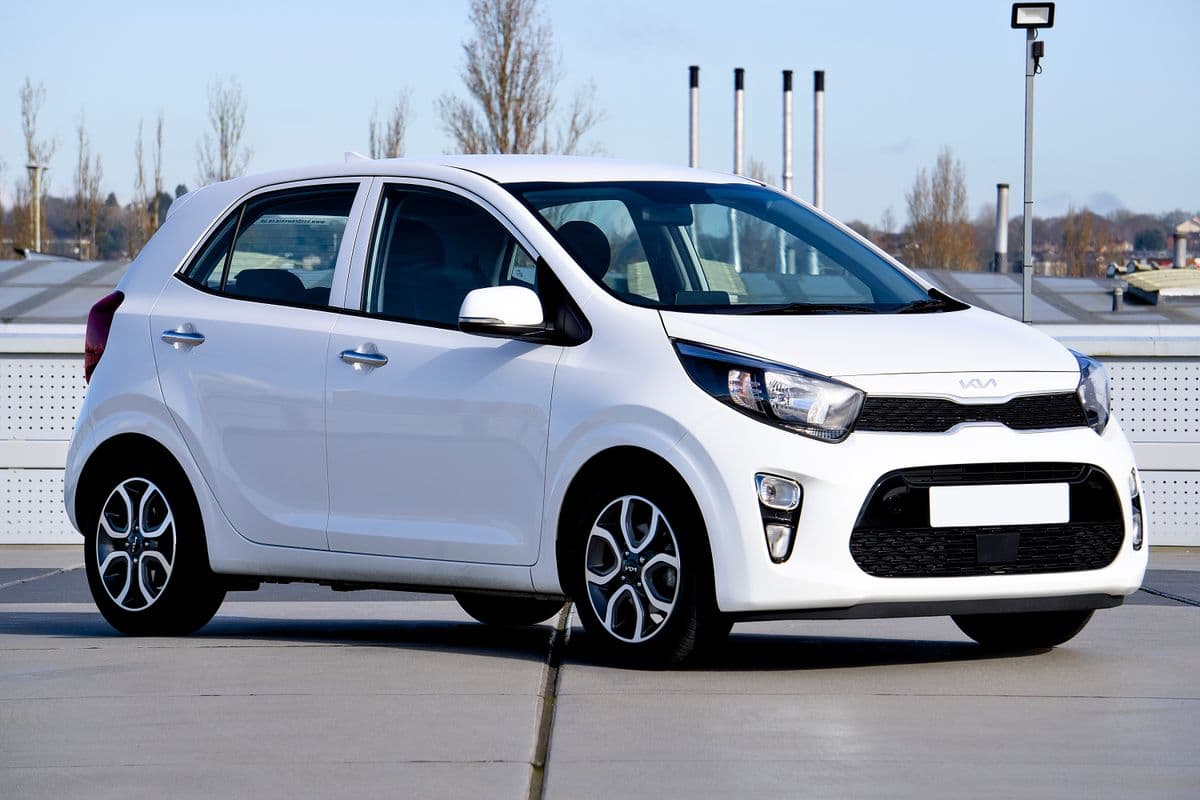
The best EVs under 1.5 million pesos in the Philippines for 2026 are a growing group of affordable battery-electric cars led by models like the BYD Dolphin and MG4, with more value-focused options arriving from brands such as Dongfeng and GAC. At this price point you can generally expect a real-world range comfortably suited to city and regional driving, modern features, and standard Type 2 plus CCS2 charging that works across most of the country's network. Prices and trims shift constantly, so treat all figures here as indicative for 2026. Here is how to think about choosing an affordable EV.
What are the best affordable EVs in the Philippines?
The sub-1.5-million-peso segment is where electric motoring becomes realistic for a much wider group of Filipino buyers, and in 2026 it is more crowded and competitive than ever. A few years ago, affordable EVs were scarce; now a genuine choice of models competes for value-minded buyers, which is excellent news for anyone shopping in this range. The headline names tend to be the well-established value brands, joined by a steady stream of newer entrants.
The standouts and contenders in or around this price band generally include:
- The BYD Dolphin, a popular compact EV often cited as a value benchmark, with a practical layout and competitive range. See the BYD Dolphin model page for details.
- The MG4, a sharp-looking hatchback that has earned a strong reputation for value and driving feel. Our MG4 model page covers the specifics.
- A growing wave of value models from brands like Dongfeng and GAC, which keep expanding the affordable end of the market and pushing prices down through competition.
It is worth stressing that exact prices, available trims, and even which models fall under the 1.5-million mark shift frequently with promotions, new launches, and currency movements, so the figures and lineup here are indicative for 2026 rather than fixed. The broader EV catalog is the best place to browse current options, and the trend is firmly toward more choice at lower prices. For a fuller sense of whether the category fits your life, our guide to whether an EV is worth it is a useful companion read.
How much range do you get under ₱1.5M?
Range is the number most first-time EV buyers fixate on, and the reassuring news is that affordable EVs in 2026 generally offer enough for the way most Filipinos actually drive. While cars in this band do not match the largest, priciest long-range models, they typically deliver a real-world range that comfortably handles daily city commuting, regional trips, and the stop-start driving that dominates Metro Manila with range to spare.
The important distinction is between headline range figures and real-world range. Official numbers are measured under ideal conditions, while your actual mileage depends on traffic, air-conditioning use, driving style, and load. In Philippine conditions, with heavy aircon use and dense traffic, plan around a sensible buffer below the headline figure rather than the maximum. The good news is that traffic, counterintuitively, suits EVs well, since electric motors are most efficient in the stop-and-go conditions that waste fuel in petrol cars.
For everyday use, the practical reality is that an affordable EV's range is rarely a limitation once you charge at home or nearby overnight, because you start most days with a full battery. Range only becomes a planning factor on longer trips, where charging stops come into play, a topic our guide to charging on Philippine expressways covers in detail. For day-to-day city life, the range you get under 1.5 million pesos is more than adequate, and the EV savings calculator helps you weigh the running-cost upside against the purchase price.
What charging do affordable EVs use?
Charging compatibility is one area where affordable EVs in the Philippines are pleasingly consistent, which removes a common source of buyer anxiety. The overwhelming majority of new EVs in this segment, including the popular value models, use the standard Type 2 connector for AC charging and CCS2 for DC fast charging, combined into a single port. This is the dominant pairing across the Philippine market, so an affordable EV slots straight into the existing charging network without compatibility headaches.
What this means in practice is that an affordable EV charges the same way as a far pricier one:
- At home, on a Type 2 wallbox installed on a dedicated circuit, gently refilling overnight for the cheapest charging there is. Our guide to EV home charging setup walks through the install.
- At destinations, on the AC chargers at malls, offices, and hotels where you park anyway.
- On trips, at public CCS2 DC fast chargers that can take the car from low to around 80 percent in well under an hour.
Because the connectors are standardized, you do not need to worry that buying a budget EV locks you out of the charging network, it does not. Our explainer on EV charging connectors covers the full connector picture if you want to confirm a specific model, and the glossary defines the terms. The one habit worth keeping is checking a charger's connector before booking, which is easy to do when you find a charger on the map.
How do affordable EVs compare on cost to run?
This is where affordable EVs make their strongest case, because the low purchase price is paired with genuinely low running costs, a combination that is hard to beat. Charging an EV at home on a typical Meralco residential rate of roughly 11 to 13 pesos per kWh works out to around 1.5 to 3 pesos per kilometer, often less than half what the same distance costs in a petrol car at 2026 pump prices. For a budget-conscious buyer, that running-cost gap is the heart of the appeal.
The savings stack up from several directions. Charging is far cheaper than fuel, maintenance is simpler with no oil changes and fewer moving parts, and the cost is more stable than volatile pump prices. For a high-mileage driver, those savings can repay the difference between an EV and a petrol equivalent surprisingly quickly, which is exactly why the affordable segment is so compelling. Our guide to EV charging costs breaks down the per-kilometer math, and the EV savings calculator lets you run it for your own driving.
It is also worth factoring in the EVIDA incentives that have helped narrow the upfront price gap, covered in our explainer on the EVIDA law. Combined, the lower sticker price of this segment, the friendlier fees, and the cheap running costs make an affordable EV one of the most economical ways to drive in the Philippines over the ownership period. The catch, as always, is that the case is strongest for those who drive enough and can charge conveniently, so match the car to your actual life.
Which affordable EV should you choose?
Choosing among the affordable EVs comes down to matching the car to your needs rather than chasing a single best answer, because the right pick genuinely depends on your priorities. The models in this band differ in range, size, features, and driving character, so the smart approach is to shortlist a few and weigh them against how you actually drive and what you value.
A few questions help narrow the field:
- How far do you drive between charges? If your daily mileage is modest and you charge at home, almost any model in the band suffices; if you cover long distances, prioritize the longer-range options.
- What body style suits you? Compact hatchbacks like the MG4 and BYD Dolphin are nimble for city use, while you may want more space from other entrants.
- How important are features and brand support? Established value brands offer broader service networks, which matters for peace of mind, while newer entrants may compete harder on price.
The practical advice is to test drive your shortlist, confirm the current price and trim since these shift constantly, and check that charging is convenient where you live. Brand pages like BYD charging and MG charging help you understand the ecosystem around specific marques. Whichever you choose, an affordable EV that fits your driving and charging access delivers low running costs and a smooth, quiet drive that suits Philippine roads well. Browse the full EV catalog to compare current options side by side.
Frequently asked questions
What is the cheapest good EV in the Philippines in 2026?
The affordable segment under 1.5 million pesos includes value models like the BYD Dolphin and MG4, with more arriving from brands such as Dongfeng and GAC. Exact prices shift constantly with promotions and launches, so treat any figure as indicative for 2026. These cars generally offer enough range for daily driving and use standard Type 2 plus CCS2 charging.
Do cheap EVs have enough range for the Philippines?
Generally yes for everyday use. Affordable EVs in 2026 typically deliver real-world range that comfortably handles city commuting and regional trips, especially since you start most days with a full battery from home charging. Plan around a sensible buffer below the headline figure for aircon and traffic. Range only becomes a planning factor on longer expressway trips.
Can affordable EVs use the same chargers as expensive ones?
Yes. Almost all new EVs in this segment use the standard Type 2 connector for AC charging and CCS2 for DC fast charging, the dominant pairing in the Philippines. A budget EV slots straight into the same charging network as a premium one, at home, at destinations, and at public fast chargers, with no compatibility disadvantage.
Are affordable EVs cheaper to run than petrol cars?
Yes, often substantially. Home charging at roughly 11 to 13 pesos per kWh works out to around 1.5 to 3 pesos per kilometer, frequently less than half what petrol costs. Add simpler maintenance and EVIDA incentives that trim the upfront price, and an affordable EV is one of the most economical ways to drive, especially for higher-mileage drivers who can charge conveniently.
Be our partner
Power the Philippines' electric future with us
Earn from an idle charger, or put your brand in front of EV drivers while they charge. Join the EVChargePH network today.