Cost & Ownership
EV Maintenance in the Philippines: What You Do (and Don't) Need
By EVChargePH Team · May 19, 2026 · 11 min read
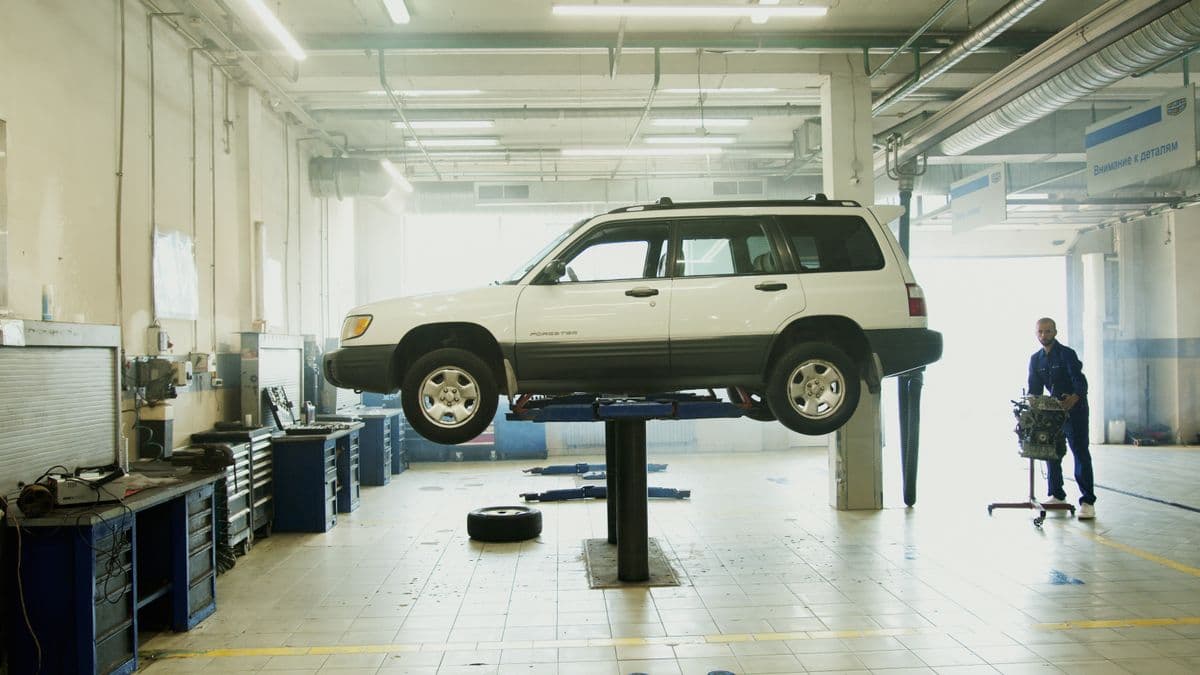
EV maintenance in the Philippines is refreshingly light compared with a petrol car, because an electric drivetrain has far fewer moving parts to service. You skip the oil changes, spark plugs, timing belts, and exhaust work entirely, and instead look after the basics that every car needs: tyres, brakes, coolant, and the cabin air filter, on generally longer service intervals. The result is lower routine costs and fewer trips to the workshop. Treat any figures as approximate and follow your car's own schedule, but the broad picture is clear: an EV simply needs less. Here is what you do and do not need to maintain.
Why do EVs need less maintenance than petrol cars?
The fundamental reason EVs need so little maintenance is that an electric motor has far fewer moving parts than an internal combustion engine. A petrol engine is a complex machine of pistons, valves, belts, and fluids, all of which wear and need periodic service. An electric motor, by contrast, is mechanically simple, with very few parts in motion, so there is dramatically less to wear out, break, or replace over the car's life. This simplicity is the root of the EV's maintenance advantage.
The savings cascade from there. Because there is no combustion engine, an EV needs no oil changes, no spark plugs, no timing belt, no fuel filters, no exhaust system, and none of the related servicing that fills a petrol car's maintenance schedule. Each of those is a recurring cost and a potential failure point that the EV owner simply never deals with. The drivetrain that remains is robust and low-maintenance by design, which is why EVs spend less time in the workshop and cost less to keep running.
This is one of the strongest and most underappreciated parts of the EV ownership case. The low running costs everyone talks about are not just about cheap charging; they include genuinely lower maintenance too. Our honest look at whether an EV is worth it factors this in, and the EV savings calculator helps you weigh the combined fuel-and-maintenance savings against the purchase price. The EV glossary defines the drivetrain terms if any are new to you.
What maintenance does an EV still need?
An EV needs far less servicing, but it is not maintenance-free, so it helps to know the genuine items that still require attention. These are mostly the things any car needs regardless of how it is powered, plus a few EV-specific checks. None are onerous, and together they form a much shorter list than a petrol car's. Keeping on top of them keeps the car safe, efficient, and reliable.
The real maintenance items are:
- Tyres, which wear like any car's and need rotation, correct pressure, and eventual replacement; EVs can be a touch harder on tyres due to their weight and instant torque, so checking them matters.
- Brakes, which need inspection but often last notably longer on an EV thanks to regenerative braking doing much of the slowing, reducing wear on the physical brakes.
- Coolant, since the battery and electronics use a thermal management system that may need its coolant checked or changed at intervals, important in our heat.
- Cabin air filter, which keeps the air you breathe clean and should be replaced periodically, especially given Philippine dust and pollution.
- Brake fluid and other fluids, plus general checks of suspension, lights, wipers, and the like, just as on any car.
Notice how short and ordinary this list is. Most of it is the routine care every vehicle needs, with the EV-specific addition being mainly the battery coolant. There is no engine oil to change, no spark plugs to swap, no exhaust to repair, which is exactly where the savings come from. Our guide to EV battery health in the heat covers caring for the battery itself, which is more about charging habits than workshop maintenance, complementing the physical upkeep here.
How do EV service intervals compare?
Service intervals for EVs are generally longer and lighter than for petrol cars, which is a direct consequence of having less to maintain. Where a petrol car demands regular visits built around oil changes and engine servicing, an EV's schedule centers on inspections and the wear items above, which come due less frequently. The practical effect is fewer workshop visits over the years, saving both money and time.
It is important to follow your specific car's recommended schedule rather than a generic rule, since manufacturers set intervals based on their own engineering, and adhering to them often matters for the warranty too. That said, the broad pattern holds across EVs: the maintenance calendar is sparser, with checks and the occasional fluid or filter rather than the frequent, involved servicing a petrol car requires. When researching a model, the maintenance schedule is worth checking alongside the specs, and model pages like the BYD Atto 3, Hyundai Ioniq 5, and Tesla Model 3 are good starting points in the EV catalog.
A note on framing: exact intervals, costs, and what each service includes vary by brand and model, so treat any specific figure as approximate and defer to your owner's manual and authorized service network. The reliable takeaway is the direction of the comparison, not precise numbers: EVs need servicing less often and less extensively than petrol equivalents. For used buyers, this lighter schedule also means a shorter service history to review, as our guide to buying a used EV explains, with the focus shifting to battery condition over a long mechanical record.
What does EV maintenance cost versus a petrol car?
On routine maintenance, EVs are generally cheaper to keep than petrol cars, and the reasons follow directly from everything above. Eliminating oil changes, spark plugs, timing belts, exhaust work, and the frequent servicing they require removes a steady stream of costs that petrol owners pay year after year. What remains, the tyres, brakes, filters, and checks, is a shorter and often cheaper list, especially with regenerative braking extending brake life.
The cost advantages add up across several fronts:
- No oil-change cycle, removing one of the most regular recurring maintenance costs a petrol car carries.
- Longer-lasting brakes, since regenerative braking handles much of the deceleration, reducing wear and the frequency of brake jobs.
- Fewer parts to fail, meaning fewer unexpected repairs from the complex engine and exhaust systems an EV simply does not have.
- Less frequent servicing overall, translating to fewer workshop visits and lower labor costs over the years.
Combine these maintenance savings with the cheap charging covered in our EV charging cost guide, and the running-cost gap with petrol widens considerably. This is why high-mileage drivers in particular find EVs so economical: they save on both fuel and upkeep, every kilometer. The honest caveat, as ever, is that figures are approximate and depend on the car and how it is driven, and a major out-of-warranty repair could shift the picture, though the simpler drivetrain makes such events less likely. For the full ownership math, our look at whether an EV is worth it and the EV savings calculator bring fuel and maintenance together.
How do I keep an EV reliable in Philippine conditions?
Keeping an EV reliable in the Philippines is mostly about a few sensible habits suited to our heat, traffic, and roads, layered on top of the light maintenance schedule. The car does the hard work of looking after its own drivetrain, so your role is to handle the basics well and follow the manufacturer's guidance. Do that and an EV is a dependable, low-fuss companion in local conditions.
The habits worth keeping are:
- Mind your tyres, checking pressure and wear regularly, which matters for safety, efficiency, and range on our often rough and hot roads.
- Keep up with the cabin filter, given the dust and pollution of Philippine driving, so the air stays clean and the climate system works efficiently.
- Attend to the cooling system, since the battery's thermal management is what protects it in our heat, making coolant checks more than a formality here.
- Charge gently and sensibly, following the habits in our battery health guide, which keeps the most valuable component strong with no workshop visit required.
- Follow the service schedule and use qualified service, sticking to the manufacturer's intervals and authorized or EV-competent technicians to protect both the car and any warranty.
The overarching message is encouraging: an EV asks less of you than a petrol car, not more. The reduced maintenance is a real, lasting benefit of ownership, freeing you from much of the routine servicing that petrol drivers take for granted. Pair that with cheap home charging and you have a car that is both economical and low-hassle to keep on the road. For more on living with an EV here, browse our news section, and when you are ready to charge, you can find a charger or explore the charging directory to keep your low-maintenance EV topped up.
Frequently asked questions
Do EVs really need less maintenance than petrol cars?
Yes, substantially less. An electric motor has far fewer moving parts than a combustion engine, so there are no oil changes, spark plugs, timing belts, fuel filters, or exhaust work to deal with. What remains is mostly ordinary care like tyres, brakes, coolant, and the cabin filter, on generally longer intervals. This simpler drivetrain is a core reason EVs are cheaper and less hassle to keep running.
What maintenance does an EV still require?
The genuine items are tyres, which wear and need rotation and correct pressure; brakes, which last longer thanks to regenerative braking but still need inspection; the battery and electronics coolant, important in our heat; the cabin air filter, given local dust; and general checks of fluids, suspension, lights, and wipers. It is a much shorter list than a petrol car's, with the battery coolant being the main EV-specific addition.
Are EV service intervals longer than petrol cars?
Generally yes. With less to maintain and no oil-change cycle, EV service schedules are sparser, centered on inspections and wear items rather than frequent engine servicing. This means fewer workshop visits over the years. Always follow your specific car's recommended schedule, which also matters for the warranty, and treat any figures as approximate since intervals and costs vary by brand and model.
Is EV maintenance cheaper in the Philippines?
On routine upkeep, generally yes. Skipping oil changes, spark plugs, timing belts, and exhaust work removes recurring costs petrol owners pay every year, while regenerative braking extends brake life and fewer parts means fewer failures. Combined with cheap home charging, this widens the running-cost gap with petrol, especially for high-mileage drivers. Figures are approximate and depend on the car, but the direction is clear: EVs cost less to maintain.
Be our partner
Power the Philippines' electric future with us
Earn from an idle charger, or put your brand in front of EV drivers while they charge. Join the EVChargePH network today.