PH EV Scene
The State of EV Charging in the Philippines (2026): 60,000 EVs, 1,569 Chargers, and the Gap Between
By EVChargePH Team · July 12, 2026 · 8 min read
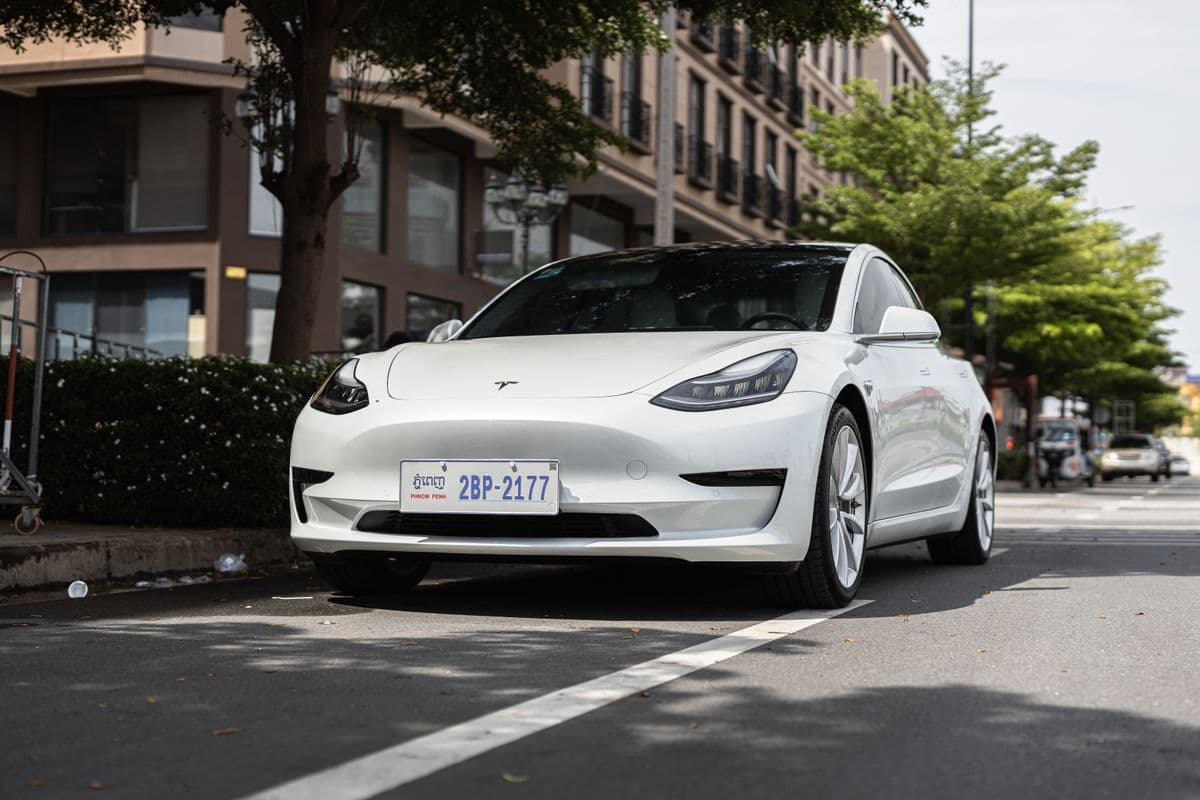
The Philippines passed a quiet milestone in 2026: more than 60,000 electric vehicles are now registered on its roads, while the public charging network has grown to roughly 1,569 charging points. Put those two numbers side by side and you get the single most important fact about electric mobility in the country today — there are about 38 EVs for every public charger, and that ratio is widening, not narrowing. This is the story of where charging stands in 2026, what the official data actually says, and why closing the gap is both the country's biggest EV challenge and its biggest opportunity.
The numbers, briefly
Here is the state of play, drawn from Department of Energy (DOE) and Land Transportation Office (LTO) figures for 2025–2026:
- 60,000+ registered EVs. The national fleet has climbed past 60,000 units, up sharply from around 24,000 registrations recorded in 2024 as more affordable models arrived.
- ~1,569 public charging points switched on as of early 2026, according to the DOE — made up of roughly 781 AC stations, 260 DC fast chargers, and 528 battery-swapping units.
- ~169 accredited charging providers now operate in the market, up from a handful just two years earlier.
- 7,300 stations by 2028 is the target set by the government's Comprehensive Roadmap for the Electric Vehicle Industry (CREVI).
The direction of travel is clearly positive. But the headline ratio — tens of thousands of cars chasing a network still measured in the low thousands — is what shapes the daily experience of owning an EV here.
Why the gap matters more than the growth
It is tempting to focus on the growth rate, and the growth is real: the charging network roughly doubled in under two years, and EV registrations are rising even faster. But drivers do not experience growth rates. They experience whether there is an open, working charger where and when they need one.
Three features of the current network make the gap feel larger than the raw count suggests:
- Concentration. A large share of public chargers sits in Metro Manila and a few urban centres. Coverage thins quickly outside the National Capital Region, which is exactly where range anxiety bites hardest on longer drives.
- Fast-charger scarcity. Only about 260 of the country's charging points are DC fast chargers. These are the ones that matter for road trips and for drivers without home charging, and they are the smallest slice of the network.
- Utilisation, not just count. A charger that is occupied, offline, or blocked is functionally unavailable. As the fleet grows, the odds of arriving at a busy site to find every bay in use climb with it.
This is why the "38 to 1" figure is the number to watch. It captures pressure on the network in a way that a rising station count, on its own, hides.
The supply that is already there
There is an underappreciated angle to all of this: a great deal of charging capacity in the Philippines already exists — it is simply not visible or bookable. Every home wallbox in a village, every charger installed at an office or a resort, is capacity sitting idle for most of the day.
That idle supply is the fastest way to close the gap, because it does not require building anything new. It requires connecting what is already installed to the drivers who need it. A home charger in Quezon City that its owner uses for two hours a night could serve other drivers for the other twenty-two. Multiply that across thousands of homes and businesses, and the effective size of the network changes dramatically without a single new public station being built.
This is the premise EVChargePH is built on. Owners can list a home or business charger, set their own rate, and earn from it, while drivers find and reserve a charger near their route before they leave — turning invisible, idle capacity into bookable supply.
What this means for drivers in 2026
If you drive an EV in the Philippines today, the practical takeaways are straightforward:
- Home charging is still king. If you can install a wall box, overnight charging remains the cheapest and most reliable way to keep an EV topped up, and it removes most of your dependence on the public network. Our guide to a home EV charging setup covers what is involved.
- Plan longer trips around DC fast chargers. Because fast chargers are the scarce resource, map your route in advance rather than assuming coverage. You can browse chargers on the map and check connectors and availability before you commit.
- Reserve when you can. The single biggest cause of charging stress is arriving to find every bay occupied. Booking a slot ahead removes that uncertainty.
- Know your city. Coverage varies widely by location. Our charging locations by city pages break down what is available in Manila, Cebu, Davao and beyond.
What this means for businesses
The same gap that frustrates drivers is an opening for businesses. An EV driver who stops to charge is parked for anywhere from 30 minutes to three hours — captive, local, and with time to spend. For a café, a mall, a convenience store, or a service business near a charging location, that is a high-intent audience arriving on a schedule.
It is also a rare moment for EV brands and dealers to reach people who have already chosen electric or are actively shopping for their next car. Businesses can advertise to EV drivers directly, or property owners can add chargers to draw EV traffic in the first place. As the fleet grows toward the government's targets, the value of being visible to charging drivers only compounds.
The bottom line
The Philippines is not short on EV enthusiasm, and it is not short on policy ambition — CREVI's 7,300-station target by 2028 is genuinely aggressive. What the country is short on, right now, is available charging where and when drivers need it. The public network is growing, but the fleet is growing faster, and the gap is the defining feature of EV life in 2026.
The encouraging part is that the fastest fix does not depend on waiting for thousands of new public stations. It depends on unlocking the charging capacity that already exists in homes and businesses, and making it easy to find and reserve. That is how a network measured in the thousands starts to feel like one measured in the tens of thousands — and how the country closes the distance between 60,000 EVs and the chargers they need.
*Building the network starts with supply. If you own a charger, list it and earn. If you drive, find a charger near you. Figures cited are from the Philippine Department of Energy (DOE) and Land Transportation Office (LTO), 2025–2026.*
Be our partner
Power the Philippines' electric future with us
Earn from an idle charger, or put your brand in front of EV drivers while they charge. Join the EVChargePH network today.