Buying Guide
Essential Accessories for Your New EV in the Philippines
By EVChargePH Team · July 30, 2026 · 9 min read
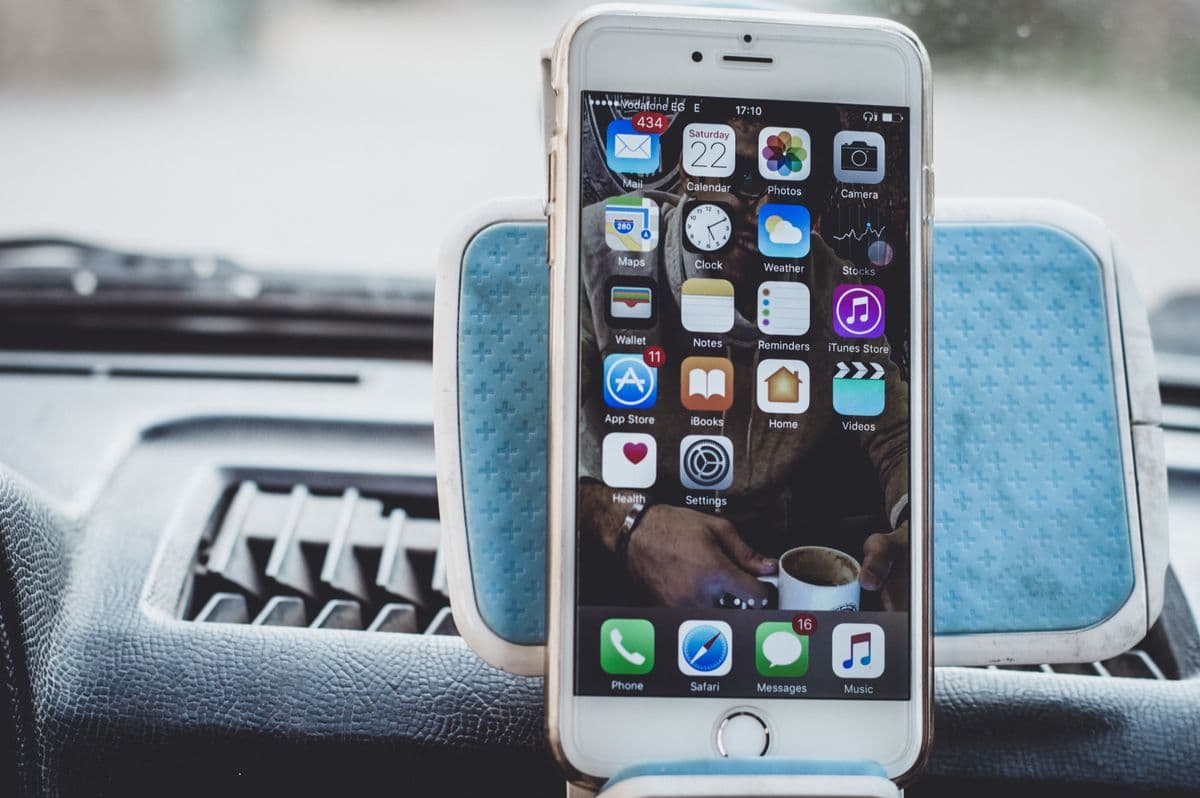
The essential accessories for a new EV in the Philippines are the ones that keep you charging, comfortable, and protected: a portable emergency charger, a spare Type 2 cable, quality floor mats, good window tint against the heat, a dashcam, a tyre inflator, and a solid phone mount. None are expensive on their own, and together they turn a new car into a genuinely road-ready one. Prioritise the charging and safety items first, then add the comfort pieces as your budget allows. Here is the practical checklist, what each item is for, and how to rank them.
What accessories does a new EV owner actually need?
The honest answer is that a new EV needs fewer add-ons than the dealer accessory sheet suggests, but the handful that matter genuinely change how the car fits your life. The essentials fall into three buckets: charging gear that keeps you topped up wherever you are, protection that shields the car from Philippine heat and rough roads, and safety and convenience items that make daily driving easier and lower-risk. Get those covered and you have a road-ready EV, and everything beyond is a nice-to-have.
The reason this matters more for an EV than a petrol car is that your fuelling logistics are different. You are not visiting a station every week, so the right charging accessories decide whether topping up is effortless or occasionally stressful. That is why we put charging first, then layer protection and safety on top. If you want the bigger picture on the charging side specifically, our guide to choosing a home wallbox covers the fixed installation, while this checklist focuses on the portable kit that rides in the car. You can also browse the EV accessories hub for the categories at a glance.
Which charging accessories should you buy first?
Charging accessories are the first thing to sort, because they are what stop you ever being stranded. Two items cover almost every situation:
- A portable emergency charger. Most EVs come with one in the box, sometimes called a granny or trickle charger, that plugs into an ordinary wall socket. It is slow, but it is your safety net at a relative's house in the province, a hotel, or anywhere without a proper charger. If your car did not include one, it is the first accessory to buy.
- A spare Type 2 charging cable. Many public and destination AC chargers in the Philippines are socketed rather than tethered, meaning you must bring your own cable to plug in. A good Type 2 cable in the boot lets you use those chargers instead of driving past them, which meaningfully widens where you can top up.
Together these two items mean you can charge from a basic socket in an emergency and from any socketed public AC point when you are out. Our explainer on EV charging connectors covers why Type 2 is the cable to carry, and our guide to home charging explains the difference between the slow portable charger and a proper wallbox. When you are out and need a top-up, you can find a charger nearby and check whether it is tethered or socketed before you go.
What protects your EV from Philippine heat and roads?
Philippine conditions are hard on a car, and a few protective accessories pay for themselves in preserved comfort and resale value. The two that matter most are tint and mats:
- Quality window tint. The tropical sun turns a parked car into an oven and makes the aircon work overtime, which on an EV means using battery energy to cool down. A good heat-rejecting tint, often a ceramic film, keeps the cabin cooler, eases the load on the air-conditioning, and protects the interior from fading. It is one of the first upgrades many owners make, and the reduced cooling load is a small efficiency bonus that the EV savings calculator helps put in context over time.
- All-weather floor mats. The rainy season brings mud and water into the cabin, and rubber or all-weather mats protect the carpet and are far easier to hose down than to shampoo. They are cheap, they preserve resale value, and they are genuinely useful most of the year.
Beyond these, mudflaps and basic paint protection are reasonable additions if you drive a lot of rough or unpaved roads, though they are lower priority than tint and mats. The guiding idea is to shield the car from heat, water, and grit, the three things the local climate throws at it hardest, so it stays comfortable and holds its value. These protective pieces sit alongside the rest of a sensible kit in the accessories hub.
What safety and convenience gear is worth it?
This is where a small spend makes daily driving safer and smoother. A handful of items stand out:
- A dashcam. For a valuable, quiet car that spends time in crowded lots, a dashcam is close to essential, both for road incidents and for parking-lot hit-and-runs. Our dedicated guide to the best dashcams for your EV covers parking mode, hardwiring, and price bands in full.
- A tyre inflator or repair kit. Many EVs ship without a spare wheel to save weight and space, so a compact inflator and a plug kit are your first response to a slow puncture. On a heavy EV with low-rolling-resistance tyres, being able to reinflate and limp to a shop is genuinely reassuring.
- A sturdy phone mount. You will lean on navigation more in an EV, both for directions and for routing to chargers, so a solid mount that holds your phone at eye level is a small but daily-used upgrade. It pairs naturally with planning a trip on the map.
Rounding out the list, keep the basics any car should carry: an early-warning device or reflective triangle, a small first-aid kit, and a torch. None are EV-specific, but a new-car purchase is the right moment to make sure they are aboard. For longer journeys, our guide to charging on Philippine expressways shows how the phone mount and charging cable earn their place on a road trip.
How should you prioritise your accessory budget?
If you cannot buy everything at once, a clear order of priority keeps your spending sensible. Sort the list roughly like this:
- First, charging security: the portable emergency charger and a spare Type 2 cable, because these prevent you ever being caught without a way to top up.
- Second, safety: a dashcam and a tyre inflator or repair kit, the two items that protect you when something goes wrong on the road or in a car park.
- Third, protection: quality tint and all-weather mats, which guard comfort and resale value against heat and rain.
- Fourth, convenience: a phone mount and the small odds and ends that make daily use nicer.
This ordering front-loads the things that keep you moving and safe, then fills in comfort as budget allows. None of it is exotic, and the whole list can be assembled over the first few weeks of ownership rather than in one hit. Once your charging setup is sorted, you might also consider a home wallbox from our guide to the best home EV chargers, and if you install one you can list it to earn from idle hours. To compare cars or keep reading buying guides, browse the EV catalog and the news hub.
Frequently asked questions
What accessories should I buy first for a new EV?
Start with charging security: a portable emergency charger for a wall socket and a spare Type 2 cable for socketed public AC chargers. Next add safety items, a dashcam and a tyre inflator or repair kit, since many EVs carry no spare wheel. Then add protection like tint and mats, and finally convenience pieces such as a phone mount.
Do I need to carry my own charging cable in the Philippines?
Often, yes. Many public and destination AC chargers are socketed rather than tethered, meaning you must bring your own Type 2 cable to use them. Keeping a good cable in the boot lets you charge at those points instead of passing them by. The portable charger that came with the car covers ordinary wall sockets as a slower backup.
Is window tint worth it for an EV?
For Philippine heat, it is one of the most worthwhile upgrades. A good heat-rejecting tint keeps the cabin cooler, eases the load on the air-conditioning, and protects the interior from sun damage. Because cooling draws on the battery, a cooler cabin is also a small efficiency gain, on top of the comfort and resale benefits.
Does an EV need a tyre inflator?
It is highly advisable, because many EVs are sold without a spare wheel to save weight and space. A compact inflator and a plug or repair kit let you deal with a slow puncture and reach a tyre shop rather than waiting for help. On a heavy EV with specialised tyres, that self-sufficiency is genuinely reassuring.
Be our partner
Power the Philippines' electric future with us
Earn from an idle charger, or put your brand in front of EV drivers while they charge. Join the EVChargePH network today.