Cost & Ownership
Best Home EV Chargers (Wallboxes) in the Philippines (2026)
By EVChargePH Team · July 29, 2026 · 9 min read
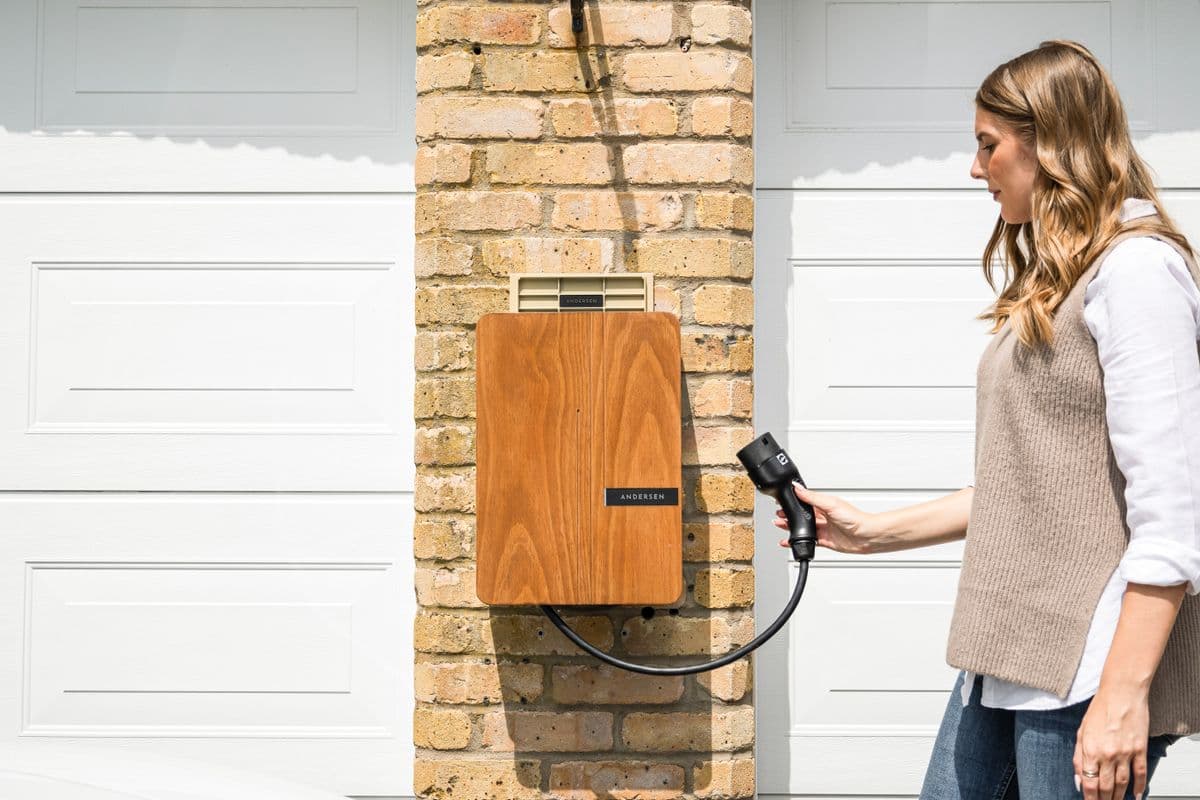
The best home EV charger for most Philippine households is a 7 kW single-phase wallbox with a Type 2 connector, which refills a typical EV overnight on the same electricity you already pay Meralco roughly 11 to 13 pesos per kWh for. Larger homes with three-phase power can step up to an 11 kW or 22 kW unit, and the main choices beyond power are tethered versus socketed and how many smart features you want. Installation by a licensed electrician on a dedicated circuit is what makes it safe, and it is a one-time cost repaid quickly by cheap overnight charging. Here is how to choose a wallbox.
What is a home EV charger, and why install one?
A home EV charger, or wallbox, is a wall-mounted AC charging unit wired into your home's electrical supply on its own dedicated circuit, and it is the single upgrade that makes living with an EV effortless. Unlike the slow portable charger that comes with the car and trickles power from an ordinary socket, a wallbox delivers a steady, much higher charging speed that comfortably refills a typical EV overnight. You plug in when you get home and wake to a full battery, having thought about it exactly once.
The economic case is just as strong as the convenience one. Charging at home draws straight off your residential electricity rate, roughly 11 to 13 pesos per kWh on a typical Meralco tariff in 2026, with no premium for location or speed. That makes home charging by far the cheapest way to refill an EV, which is why a wallbox is the first major purchase most owners make after the car itself. Our in-depth guide to EV home charging covers the running-cost math and setup, and the EV charging hub explains how home charging fits alongside public and destination options. This guide focuses on the narrower question of how to choose the wallbox itself.
How much power do you need: 7 kW or 11/22 kW?
Power output is the first specification buyers fixate on, and the honest answer for most Philippine homes is that 7 kW is plenty. A 7 kW wallbox runs on ordinary single-phase power, which is what the vast majority of homes have, and it refills a typical EV overnight with hours to spare. Because your car sits parked all night anyway, more power rarely translates into any real-world benefit for daily charging.
Stepping up to an 11 kW or 22 kW unit sounds appealing, but two things usually make it unnecessary. First, those higher outputs generally require a three-phase electrical supply, which most Philippine homes do not have and which is costly to bring in. Second, the car itself sets a ceiling: an EV's onboard AC charger only accepts so much, and many models cap AC charging at around 7 to 11 kW regardless of how powerful the wallbox is, so a 22 kW unit often cannot deliver its full rating to the car. You can check a given model's onboard charging limit while browsing the EV catalog, and the glossary defines the terms if single-phase versus three-phase is unfamiliar.
The practical guidance is simple: for a normal home with single-phase power, a 7 kW wallbox is the sweet spot, and paying for power you cannot use or supply is a common and avoidable mistake. Only consider 11 kW or 22 kW if you already have three-phase power, a car that can accept it, and a genuine need to charge unusually fast. For overnight charging, 7 kW comfortably covers almost everyone.
Tethered or socketed, and which connector?
Beyond power, the next choice is physical: a tethered wallbox has a charging cable permanently attached, while a socketed one has just a port into which you plug your own cable. Both use the Type 2 connector that is the standard for AC charging across the Philippine market, so either way your car will fit. The decision is about convenience versus flexibility.
A tethered unit is the more convenient day to day, since the cable is always there, ready to grab and plug in without fetching anything from the boot. A socketed unit looks tidier with no cable hanging on the wall, protects the cable from the weather when stored, and is more flexible if you ever run different cars or want to use a longer cable. For a single-car household that charges in the same spot every night, tethered is usually the easier pick, while those who value tidiness or flexibility lean socketed. Our explainer on EV charging connectors covers why Type 2 is the connector to look for, and a spare Type 2 cable is a smart thing to keep regardless, as our essential EV accessories checklist notes.
What smart features are worth paying for?
Wallboxes range from simple plug-in-and-charge units to connected chargers with apps and scheduling, and a few smart features genuinely earn their cost. The ones worth caring about:
- Scheduling and app control, which let you time charging and monitor sessions from your phone, useful if your utility ever offers cheaper off-peak hours or if you simply like the visibility.
- Energy metering, which reports exactly how much electricity each charge used, handy for tracking cost and invaluable if the charger is shared or sub-metered.
- Solar integration, which lets a compatible wallbox prioritise surplus rooftop solar for charging, a strong fit for the many homes pairing panels with an EV, as our guide to solar plus EV charging explains.
- Access control, which restricts who can use the charger, worth having if your unit is somewhere others could reach it or if you intend to share it.
That last point connects to a nice opportunity: a smart, metered wallbox with access control is exactly what you need if you want to list your charger to neighbours during idle hours, turning a home upgrade into a small earner. For a purely private charger, you can skip the fancier features and save money, but scheduling, metering, and solar support are the ones most likely to prove useful over years of ownership. Basic units charge perfectly well, and the smart features are about control and insight rather than charging speed.
What does installing a wallbox cost in the Philippines?
The wallbox is only part of the spend, because a proper installation is what makes it safe, and installation cost varies with your home. The non-negotiable is a licensed electrician wiring the unit onto its own dedicated circuit with the right breaker and protection, rather than sharing a line with heavy appliances. A wallbox draws a sustained load for hours, so a dedicated line is standard practice and the single most important part of the job.
What drives the installation cost is mostly the physical situation: the distance from your main panel to where the car parks, the condition and spare capacity of your existing panel, and whether any upgrade is needed to support the added load. A short cable run to a healthy panel is inexpensive, while a long route or a panel that needs upgrading costs more. As indicative 2026 figures, the wallbox unit itself commonly lands somewhere in the region of 25,000 to 60,000 pesos depending on power and smart features, with installation typically adding a few thousand up to low tens of thousands of pesos on top, heavily dependent on the run and any panel work. Treat these as rough bands to budget around rather than quotes, and always get an electrician who has done EV installs to assess your specific home.
Framed against the savings, that one-time cost is repaid surprisingly quickly. Every overnight charge draws at your residential rate rather than a public-charging premium, and over a year of typical driving the difference comfortably justifies the setup, as the EV savings calculator helps you see. Our detailed home charging guide walks through the electrical work step by step, and once your charger is in you can pair it with the rest of a sensible kit from the essential accessories checklist or protect the car with one of the best EV dashcams. To plan public top-ups for longer trips, the map shows what is available beyond your driveway.
Frequently asked questions
What size home EV charger do I need in the Philippines?
For most homes, a 7 kW single-phase wallbox is ideal. It runs on the ordinary single-phase power almost every home has and refills a typical EV overnight with room to spare. Larger 11 kW or 22 kW units need three-phase power that most homes lack, and many cars cap AC charging around 7 to 11 kW anyway, so paying for more power is usually unnecessary.
How much does it cost to install a home EV charger?
As an indicative 2026 guide, the wallbox itself often runs roughly 25,000 to 60,000 pesos depending on power and smart features, with installation adding a few thousand up to low tens of thousands of pesos depending on the cable run and any panel upgrade. A licensed electrician wiring it onto a dedicated circuit is essential. Always get a site-specific quote, as costs vary widely by home.
Should I get a tethered or socketed wallbox?
Both use the Type 2 connector, so either fits Philippine EVs. A tethered unit has the cable permanently attached and is more convenient for a single car charged in the same spot nightly. A socketed unit is tidier and more flexible, letting you use your own or a longer cable and keeping it stored away from the weather. Choose based on convenience versus flexibility.
Is a 7 kW charger fast enough to charge overnight?
Yes, comfortably, for the vast majority of owners. A 7 kW wallbox refills a typical EV overnight with hours to spare, because the car is parked all night regardless. Since most owners top up from a partial charge rather than empty, real sessions finish well before morning. Faster 11 kW or 22 kW charging needs three-phase power and a compatible car, and rarely adds a real-world benefit at home.
Be our partner
Power the Philippines' electric future with us
Earn from an idle charger, or put your brand in front of EV drivers while they charge. Join the EVChargePH network today.