Buying Guide
7-Seater and SUV EVs for Big Families
By EVChargePH Team · April 11, 2026 · 9 min read
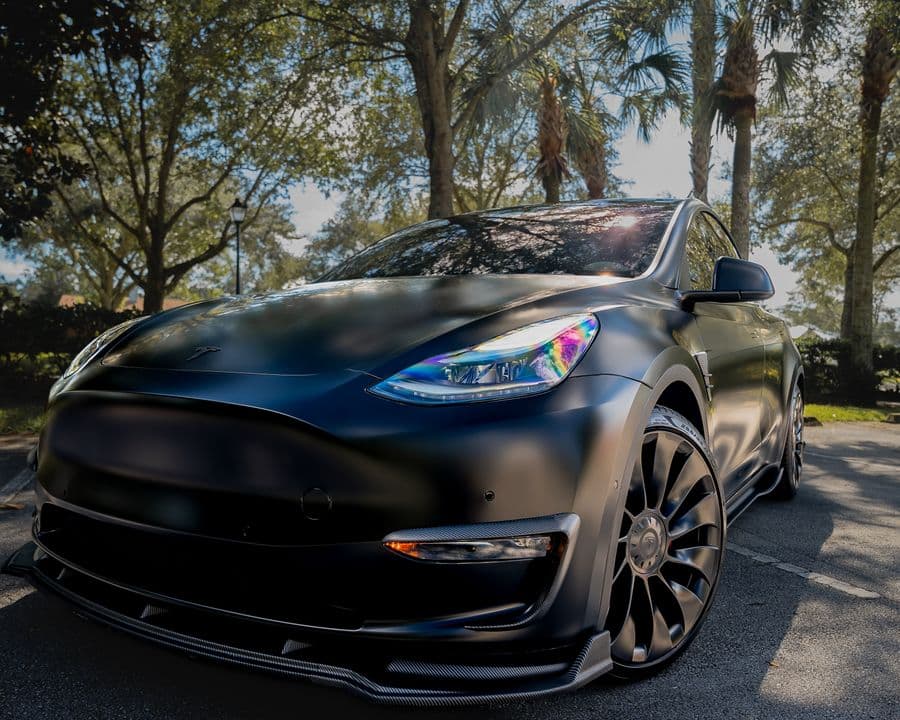
In the Philippines, the family car is very often a large one — a roomy SUV or a seven-seater that carries kids, lolos and lolas, helpers, and a mountain of luggage to the province for the holidays. For years, going electric meant giving all of that space up, which simply was not a realistic option for a big household. That is no longer the case at all. Electric options in the big-vehicle segments are steadily growing, and they bring the quiet, smooth, low-cost driving of an EV to families that genuinely need the room. The catch is that going electric with a large car asks for a little more upfront planning than a compact city EV does, and this guide walks through exactly what to weigh before you commit your money.
What the segment offers
Electric SUVs and seven-seaters deliver the everyday practicality that big families already rely on completely, plus the smooth, near-silent, low-cost driving that defines the modern EV experience. Many cleverly use their floor-mounted batteries to create flexible, genuinely spacious cabins with versatile seating arrangements you simply cannot get in a traditional engine-based layout. Because the heavy battery sits low in the floor rather than under a bonnet, these vehicles also tend to feel planted and stable on the road despite their size, which is reassuring with a full load of passengers aboard. And the quiet cabin is a genuine blessing on a long provincial drive with restless children, where the constant drone of a large petrol engine wears everyone down far more than they realise until it is gone. When you go shopping, focus your attention firmly on the things that matter most when the whole clan is aboard rather than the eye-catching headline figures.
- Third-row usability — is it genuinely sized for adults on a long trip, or only realistically for kids on short hops around town and back?
- Boot space with all seats up, which is what you actually have to work with when everyone travels together to the province at once.
- Seat folding and flexibility for switching smoothly between carrying people and carrying bulky cargo as needs change.
- Ease of access to the rear rows for older passengers, lolas and lolos, and small children climbing in and out repeatedly.
The larger members of the BYD line-up and roomy options such as the Hyundai Ioniq 5 are natural starting points for a sensible shortlist. Buyers shopping further upmarket may also want to seriously consider the bigger premium electric SUVs, which trade a higher price for extra space, longer range, and a more refined cabin that suits long provincial drives.
Range and weight realities
Big vehicles are heavy, and weight inevitably uses energy — there is simply no way around the basic physics of it. That means a large electric SUV often needs a noticeably bigger battery just to deliver usable everyday range, and even then its real-world figure can dip when fully loaded with people and bags. Be genuinely realistic about this from the very outset rather than discovering it the hard way on a packed highway halfway to the province.
- Match the realistic loaded range to your typical long trips, not the optimistic brochure number measured with a single occupant — our explainer on WLTP versus real-world range shows exactly why a full cabin changes everything about your numbers.
- Remember that air-conditioning working hard to cool seven warm passengers in Philippine heat adds genuine, continuous draw on the battery throughout the journey.
- Heavy vehicles can wear tyres and brakes faster, so budget sensibly for that over the years of ownership rather than assuming low maintenance throughout.
Charging a large EV for long trips
This is the honest hurdle for big-family use, and it genuinely deserves frank, upfront attention. Families with large vehicles tend to drive long distances to the province for fiestas, reunions, and holidays — which is exactly where public charging remains patchiest as of 2026. A little homework here prevents a great deal of roadside stress and worry later on.
- Confirm you have home charging so you can reliably start every trip with a full battery; our home charging setup guide explains precisely what that takes for a typical home.
- Research charging options along your regular long routes and plan stops in advance, identifying sensible backups in case one is busy or offline when you arrive tired.
- Consider whether a larger battery, or for some households a plug-in hybrid instead, better suits genuinely frequent long hauls, since the right drivetrain depends heavily on how often you make the long trip.
You can map the charging along your usual provincial routes on the charger map before any big trip, which turns a daunting unknown into a manageable plan you can actually rely on with the whole family aboard.
Be honest about how you actually use the third row
Before committing to a large electric vehicle, it pays to look hard at how your household genuinely travels rather than how you imagine it might. Many families buy a seven-seater for the handful of occasions a year when everyone piles in together, then spend the other ninety-five percent of the time hauling a heavy, thirsty third row that sits empty. With an electric car that extra weight directly costs you range every single day, so the calculation is sharper than it is with petrol.
That does not mean a big EV is the wrong call; for genuinely large households it is exactly right. But it is worth running through a few honest questions first.
- How often is the third row actually occupied, and could a roomy five-seat SUV with a folding bench cover those rarer occasions instead?
- How heavy are your typical loads, and does the daily reality justify the bigger, more expensive battery a seven-seater needs?
- Could one larger car plus the occasional rental for the biggest trips work out cheaper and more efficient than buying the largest vehicle outright?
There is no universally right answer, only the one that fits your family's real travel pattern. A household that genuinely fills seven seats most weekends should buy for that; one that does so twice a year might be better served by something smaller and lighter that costs less to buy and run every other day of the year.
Costs and the bottom line
Larger EVs naturally sit at higher price points, and the figures move with trims, promos, and exchange rates — so treat any number you see as indicative and confirm with current dealer listings rather than budgeting on a rumour or an old review. Offsetting that higher sticker, the running costs can be genuinely appealing for a big family: energy per kilometre is typically much lower than a thirsty petrol SUV, and routine maintenance is generally simpler with fewer moving parts to fail. Our full cost of EV ownership breakdown is the right place to run those ongoing savings against the heavier purchase price and see honestly how the long game actually looks for your particular mileage. For a high-mileage family that drives a great deal, those per-kilometre savings stack up faster and can recover a surprising share of the price premium over the years.
Bring the whole family to the test drive
A large family car has to pass a real-world test, not just win a spec-sheet comparison in a glossy brochure. The quiet, empty showroom only tells you a small part of the story, so push further before you decide.
- Fill every seat with the actual people who will routinely ride in it, including the often-neglected and frequently cramped third row.
- Load the boot with something close to your usual luggage to judge true, honest cargo space rather than the empty figure on paper.
- Drive a route you take often, ideally with the air-conditioning on and the car genuinely loaded, to feel the real ride and the real range under load.
The verdict for big families
Electric seven-seaters and SUVs can absolutely serve a big Filipino family well, delivering space, comfort, and low running costs together in one capable package. The keys are sizing the range to your loaded long trips rather than the flattering empty figure, securing reliable home charging you can count on, and planning provincial routes around available stations rather than simply hoping for the best on the day itself. Do that homework properly and a large EV stops feeling like a compromise and starts feeling like a genuine upgrade for the whole household. The segment is still young here, and it is growing fast, so it pays to compare the latest arrivals rather than settling on a model that was the only real option a year ago; more choice each season means a better chance of finding one that fits your family's exact shape and travel pattern. And if your home ends up with a spare charging slot, you can list your charger for nearby drivers, helping offset the higher cost of a big electric vehicle over the years you own it.
Be our partner
Power the Philippines' electric future with us
Earn from an idle charger, or put your brand in front of EV drivers while they charge. Join the EVChargePH network today.