Buying Guide
Your First Week with a New EV in the Philippines: A Checklist
By EVChargePH Team · October 27, 2026 · 6 min read
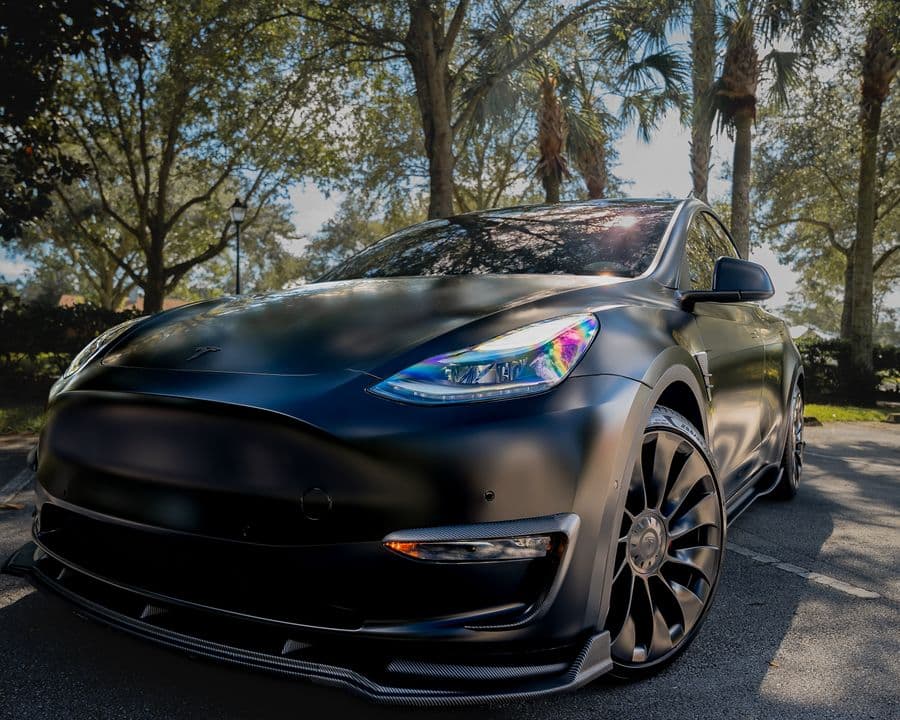
Congratulations on your first EV. The first week is the best time to set up a few habits that make ownership smooth and cheap for years. None of it is complicated: sort out where you will charge, learn your car's basics, get comfortable finding public chargers, and take a short trip to build confidence. Here is a simple checklist.
1. Sort out home charging
Home charging is the backbone of easy, affordable EV ownership, so make this your first priority. If you can install a wall-box, you will charge overnight at roughly ₱11 to ₱13 per kWh and wake up to a full battery. Our guide to EV home charging covers the setup, from the wall-box to the dedicated circuit a licensed electrician should install.
If you cannot charge at home yet, map out where you will charge regularly instead, so you are never guessing.
2. Learn your connector and charging basics
Know which connector your car uses for both everyday AC charging and DC fast charging. This determines which public chargers you can use. If the terms are new, the EV glossary explains them in plain language. Understanding AC versus DC early saves confusion at your first public charger.
3. Find the chargers near you
Open the map and get familiar with the chargers around your home, your workplace and the places you visit often. Filter by your connector so you only see chargers you can use. Knowing your options in advance removes range anxiety far more effectively than a big battery does.
4. Set a sensible charge limit
For daily driving, many owners set a charge limit around 80% rather than charging to a full 100% every day. This is gentler on the battery and saves time, since charging slows near full. Save the full 100% charge for the morning of a longer trip. Check your car's settings for how to set this.
5. Take a short trip to build confidence
Once you are comfortable charging at home, plan a modest drive that includes one public charge, so your first public session is low-pressure. Use the charging time calculator to estimate how long a top-up takes, and keep a backup charger in mind. After one or two trips, public charging feels routine.
6. Settle into good habits
- Charge mostly at home and keep DC fast charging for trips.
- Keep a buffer of range rather than running to empty.
- Move promptly out of charging bays once done.
If you have a spare charger sitting idle, you could even earn from it by listing it on the list your charger page once you are settled in.
Frequently asked questions
What is the single most important thing to set up first?
Home charging, if you can. Charging overnight at home is the cheapest, most convenient way to run an EV and removes most range worries, because you start each day with a full battery.
Should I charge to 100% or 80%?
For everyday use, around 80% is a good habit: it is gentler on the battery and quicker, since charging slows near full. Charge to 100% before a long trip when you need the range.
How do I get over range anxiety?
Knowing where you can charge beats a bigger battery. Spend time with the map learning your local chargers, keep a buffer of range, and take a short trip with one planned charge to build confidence.
Do I need to do anything special for maintenance in week one?
Not really. EVs need less routine maintenance than petrol cars. Just follow your owner's manual and focus on good charging habits early on.
Be our partner
Power the Philippines' electric future with us
Earn from an idle charger, or put your brand in front of EV drivers while they charge. Join the EVChargePH network today.