Charging 101
Setting Up Home EV Charging in the Philippines
By EVChargePH Team · May 9, 2026 · 9 min read
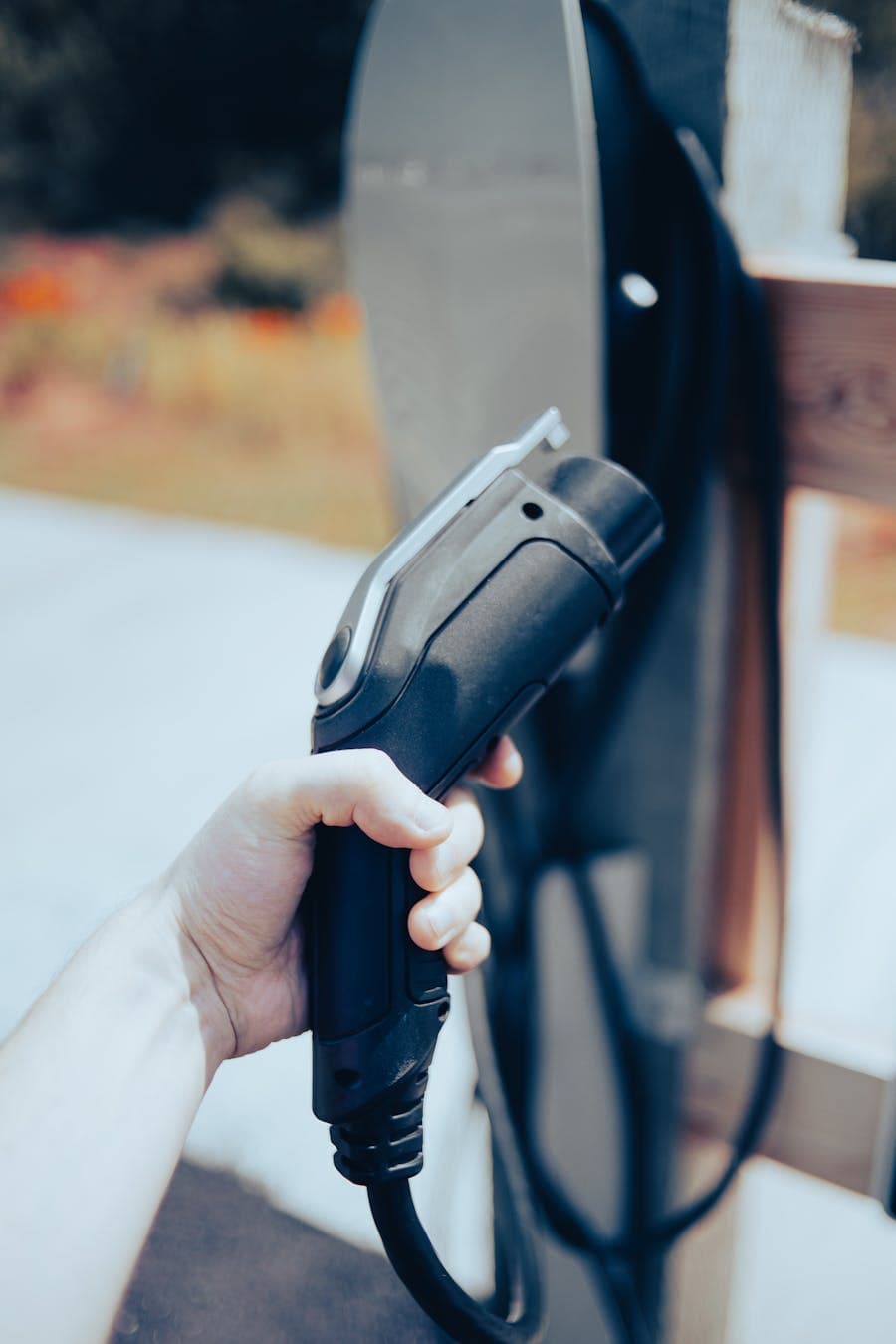
For most EV owners, the dream is wonderfully simple: pull into your garage, plug in, and wake up to a full battery the next morning, ready for whatever the day brings. Home charging makes that possible, and it is usually the cheapest and most convenient way to keep an electric car topped up. Setting it up well, though, takes a bit of thought, especially in the Philippine context where electrical supply, parking arrangements, and building rules vary widely from one home to the next. A condo unit in the city and a house with its own carport in the province present very different starting points.
This guide walks through your options, the safety checks that genuinely matter, the cost considerations to plan for, and the habits that make home charging effortless once everything is properly in place. Get this right and charging stops being a task at all.
Why Home Charging Is the Foundation
Before the details, it is worth appreciating why home charging matters so much to the overall experience. As our comparison of public versus home charging explains, the two approaches work best as partners rather than rivals, but for anyone with their own parking, home charging carries the daily load. It runs through your normal electricity meter at residential rates, it requires no detours or queueing, and it means you typically begin each day topped up and ready. Public fast charging then becomes a travel tool you reach for occasionally rather than a daily necessity you depend on. Building a solid home setup is therefore the single most impactful thing most owners can do for a smooth, low-stress EV life.
Two Ways to Charge at Home
There are broadly two approaches, and the right one depends on your driving distance and how long the car typically sits parked.
- Plugging into a regular outlet. Many EVs come with a portable cable that connects to a standard household socket. This is the slowest option, sometimes called trickle charging, but it requires no installation at all and no upfront cost. It can work perfectly well if you drive short distances and leave the car plugged in for long stretches overnight. For a light city commute where the car rests many hours each day, it may genuinely be enough on its own.
- Installing a dedicated wall box. A home charger, often called a wall box, is a fixed unit mounted near your parking spot. It charges noticeably faster than a regular outlet and is purpose-built for daily EV use, with proper safety features and weather resistance. For most owners, this is the more comfortable long-term solution, and it removes any lingering anxiety about whether the car will be ready in time for an early start.
The difference between these two comes down to how much AC power the car's onboard charger can accept. Both options route through that same onboard charger, but a proper wall box lets the car draw closer to its full AC capability, while a regular outlet is deliberately gentler and slower. Neither is wrong; the wall box simply suits heavier daily use, and the regular outlet suits lighter, more patient charging.
What to Check Before Installing
A home charger draws meaningful power for extended periods, so a few checks protect both your safety and your wiring. This is the part where shortcuts are genuinely dangerous, so it deserves real care and a professional eye.
- Have a licensed electrician assess your supply. A qualified professional can confirm whether your existing electrical service and panel can safely handle a dedicated charger or whether something needs upgrading first. This is absolutely not a place to guess or to rely on generic advice from the internet, because every home's wiring, age, and capacity are different.
- Consider a dedicated circuit. Charging equipment generally belongs on its own properly rated circuit rather than sharing one with other heavy appliances like air conditioners or water heaters. A dedicated line reduces the risk of overloading and keeps your charging reliable night after night.
- Plan the location thoughtfully. Position the unit so the cable comfortably reaches your car's charging port without stretching, and protect it from the weather as much as your space allows. A little planning here saves daily frustration with cables that are too short, awkwardly routed, or exposed to the elements.
- Check your provider and local rules. Requirements can vary by utility and by locality, so it is worth asking about any permits, guidelines, or inspections that apply where you live before any work begins, rather than after.
Following these steps also supports long-term battery health, since clean, stable, properly delivered charging is part of the picture described in our guide to battery care tips. A well-installed home charger is gentle on both your home and your car.
Cabling, Placement, and Everyday Practicality
Beyond the electrical safety questions, a surprising amount of day-to-day happiness comes down to small physical details that are easy to overlook during installation but impossible to ignore afterward. Spending a few minutes thinking these through saves years of minor irritation.
- Cable reach and routing. Park the car where it will normally sit and check that the charging cable reaches the port comfortably, with a little slack, rather than stretched taut across the bumper or around the bodywork.
- Mounting height. A charger mounted at a sensible height makes plugging in a relaxed, one-handed motion rather than an awkward stoop or reach, which matters when you do it every single day.
- Cable management. A simple hook or holster to coil the cable keeps it off the wet ground, protects it from being driven over, and stops your parking area becoming a tangle.
- Lighting. A little light near the charger makes evening plug-ins easy and reassuring, especially during the dark, rainy months.
None of these points are about safety in the strict sense; they are about whether using the charger feels effortless or mildly annoying. Since the entire appeal of home charging is that you barely think about it, getting these practical details right is what delivers on that promise. Owners who plan placement carefully tend to forget their charger exists in the best possible way, while those who rush it end up wrestling with a too-short cable or a puddle-bound plug every morning.
Thinking About Cost and Electricity Use
An EV adds to your household electricity consumption, and being aware of that from the very start helps you avoid surprises when the bill arrives.
- Charging is billed through your normal electricity meter, so it appears on your regular statement measured in kilowatt-hours (kWh). Our explainer on kWh and your electricity bill breaks down exactly how this works and how to estimate the cost of a charge.
- Rates differ between providers and can change over time, so always check your own utility's actual pricing rather than relying on a fixed figure you read somewhere that may not apply to you.
- Charging overnight, when overall household demand is otherwise low, is a common and sensible habit that spreads out your usage and keeps things tidy.
Even with these added costs, home charging is typically far cheaper per kilometer than petrol, a comparison we lay out in our piece on charging cost versus gas. For most owners, the energy added at home is comfortably the most affordable fuel their car will ever use, which is a large part of the appeal of going electric. If you ever charge away from home, it is worth glancing at the pricing for nearby stations so you can compare them fairly against your own home rate.
Special Considerations for Rainy Weather
Given the Philippine climate, weather protection deserves a specific mention rather than an afterthought. Outdoor home chargers are designed to cope with rain, and as our piece on rainy season charging safety explains, the technology is built from the ground up with wet conditions in mind. Even so, having your equipment installed by a licensed electrician with appropriate weather protection, sensible mounting height, and good drainage adds genuine peace of mind through the long wet season. The real concern is never ordinary rain but flooding, so siting your charger and parking the car sensibly relative to flood-prone areas is a wise precaution worth thinking through in advance.
Making the Most of Your Setup
Once your installation is ready and tested, a few good practices keep everything running smoothly for years to come.
- For everyday driving, you rarely need to charge all the way to 100 percent. Many owners top up to a comfortable level and only fill completely before a long trip, which is gentler on the battery over time.
- Keep cables tidy and off the ground where possible, and inspect them occasionally for any signs of wear, fraying, or damage.
- If you live in a condo or shared building, talk to building management early in the process. Installing a personal charger may involve approvals, shared electrical considerations, and coordination with other residents, so starting that conversation sooner rather than later helps avoid frustrating delays.
The Payoff
As of 2026, home charging remains the backbone of EV ownership for anyone with their own parking, and it is what makes the rest of the experience feel so effortless. The upfront effort of a proper installation pays you back every single morning, quietly turning charging into something you barely think about. Instead of detouring to a station, waiting in line, or watching a meter, you simply arrive home, plug in, and forget about it until you leave again.
Done safely and with a licensed professional, it is one of the most rewarding parts of going electric. If you want to see how home charging fits into the bigger ownership picture, our overview of how it works ties it all together, and owners with extra capacity might even consider helping the community by choosing to list your charger for others to use.
Be our partner
Power the Philippines' electric future with us
Earn from an idle charger, or put your brand in front of EV drivers while they charge. Join the EVChargePH network today.