Cost & Ownership
EV Battery Care: Tips to Make It Last
By EVChargePH Team · March 30, 2026 · 8 min read
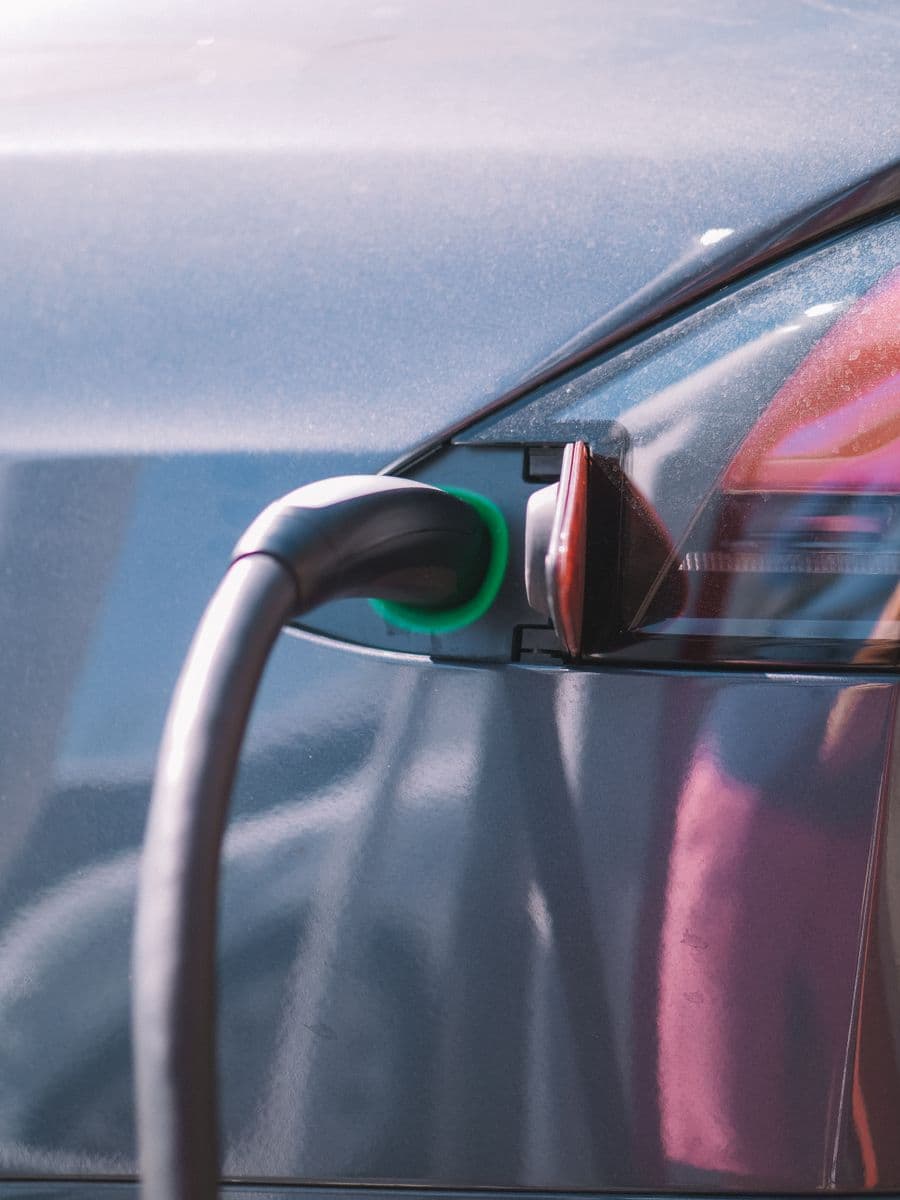
The battery is the heart of an electric car, and it is also the single most valuable component, which is why so many prospective owners fixate on keeping it healthy. The reassuring news is that modern EV batteries are built to last many years, and a handful of sensible habits go a long way toward preserving yours. None of this is complicated, and none of it asks you to baby the car. It is more about avoiding a few extremes than following a strict regimen.
Mind your charging range
How you charge matters more than most people expect. Lithium batteries are happiest when they spend most of their time in the middle of their range rather than parked at the very top or bottom. Living mostly in that comfortable middle band is the easiest win available to any owner.
- For daily use, charging to around 80 percent is a common recommendation from manufacturers
- Avoid routinely running the battery all the way down to near empty
- Charge to 100 percent mainly right before a long trip when you genuinely need the full range
Many EVs let you set a charge limit in the app or on the dashboard, so you can make this automatic and then forget about it. Sitting at a very high or very low charge for long periods is what tends to add stress over time, so the goal is simply to avoid lingering at the extremes. If you want to understand the difference between the slow charging you will do daily and the fast charging you will do occasionally, the fast versus slow charging guide is a useful companion.
Heat is the main enemy in the tropics
The Philippines is hot, and heat is the biggest long-term factor in how a battery ages. You cannot control the weather, but you can reduce unnecessary heat exposure with a little awareness, and small choices add up across years of ownership.
- Park in the shade or a garage whenever you reasonably can
- Avoid leaving the car at a very high charge while it bakes in direct sun for long stretches
- Let the car cool a little after a long, hard drive before fast charging, if it is practical to do so
Modern EVs manage battery temperature automatically through their cooling systems, but giving that system an easier job by keeping the car out of the worst heat helps it do its work. This is one area where the local climate genuinely matters more than it would in a temperate country, so it is worth building the shade habit early.
Use fast charging wisely
DC fast charging is a wonderful convenience on road trips, and you should absolutely use it when you need it. But leaning on it for every single charge puts more stress and heat into the battery than slower charging does. For everyday top-ups at home or at work, gentler AC charging is kinder to the pack over the long run. The simple rule is to treat fast chargers as the road-trip tool they are rather than your default, and save them for when you genuinely need a quick fill on the go. Our explainer on AC versus DC charging covers why the two stress the battery differently, and the charging speeds guide explains what those numbers on the charger actually mean.
Everyday habits that quietly help
A few more small things keep your battery in good shape over the years, none of which ask much of you:
- Try not to leave the car sitting at a very low charge for days on end
- If you store the car for a while, leave it somewhere around the middle of its range rather than full or empty
- Keep the software updated, since updates often improve battery management behind the scenes
- Drive smoothly, because gentle acceleration is easier on the whole system and stretches your range too
That last point pulls double duty. Smooth driving is gentle on the battery and also improves your efficiency, since the same instant torque that makes hard launches fun also draws a lot of energy when you use it constantly. Easing off rewards you with both a healthier pack and a lower running cost, which is a recurring theme of living with an electric car: the relaxed choice is usually the cheaper one as well.
The rainy season and battery safety
Living with an EV in the Philippines means living with the rainy season, and a common worry is whether charging in wet weather is safe for the battery. EVs and their charging equipment are designed and tested to handle rain, and the connectors include safety systems that prevent power from flowing until everything is properly seated. The genuine hazard is not rain itself but very deep floodwater, which you should avoid driving into regardless of what kind of car you have. There are sensible precautions worth taking in heavy weather, such as keeping connectors clean and dry and not forcing a charge if something looks damaged, but for battery health specifically, normal rain is simply not the threat people imagine.
Long parking and storage
Cars sit unused more often than we like to admit, whether that is a long holiday in the province, a stretch of working from home, or simply a second vehicle that only comes out on weekends. How you leave an EV during these idle spells matters for the battery, though again the rules are gentle rather than demanding. The guiding idea is the same as for daily use: avoid the extremes and let the pack rest somewhere comfortable.
- Leave the car around the middle of its range, rather than full or nearly empty, before a long idle period
- Avoid storing it at a very high charge baking in direct sun, since heat and a full pack together add the most stress
- If the car offers a storage or long-life charge mode, it is worth using
- Check on it occasionally so the battery never drifts down to a deeply discharged state
None of this requires special equipment, and modern EVs are designed to sit for reasonable stretches without trouble. The point is simply that a little thought before you walk away pays off, especially in a climate where parked cars can get very hot. The same shade-seeking instinct from earlier applies just as much to a car in storage as to one you drive daily.
Buying used and reading battery health
Battery habits also matter when you are on the other side of the transaction, shopping for a pre-owned EV. The reassuring reality is that a used pack is far more legible than the myths suggest, and a healthy one can serve a second owner for many more years. Many cars report a state of health figure or an estimated range that hints at how much capacity remains, and independent checks can assess a pack before money changes hands. This transparency is a genuine advantage over guessing at the condition of a used combustion engine.
When you understand what good charging habits do, you can also read a used car's history with a more informed eye, asking how it was charged and where it was parked. A car that lived in shade and charged gently is likely to have aged more gracefully than one that baked in the sun on constant fast charging. The second-hand EV buying guide walks through the inspection in detail, including how to interpret the state-of-health figure many cars report. A slightly degraded pack is still a perfectly usable car, just with a little less of its original road-trip range, so do not let a small loss of capacity scare you off an otherwise sound vehicle.
Putting it in perspective
It is worth remembering that some battery aging is completely normal and expected. Over the years a pack will hold slightly less charge than when it was new, which shows up as a small reduction in range rather than any sudden failure. This loss is gradual, tends to be fastest early and then slows, and most owners barely notice it in daily driving. The battery degradation myths article tackles the fears head-on, and the reality is far calmer than the rumors.
EV batteries also come with long warranties, which reflects how durable they are designed to be. The habits above are not about avoiding disaster, since disaster is genuinely unlikely, but about preserving as much range and resale value as possible over the life of the car. Healthy battery habits also protect your wallet at sale time, since a buyer who can see a strong state-of-health figure will pay more for the car. None of these habits asks much of you, and the car automates a good deal of it through its charge-limit settings and its own thermal management, so in practice you set a sensible charge limit, park in the shade when you can, and otherwise just drive.
Kept this way, a battery should serve you well for years, with plenty of capacity left for everyday trips around town and the occasional longer drive. And when you do venture out, you can map your stops in advance on the find a charger page so the rare fast charge is planned rather than panicked. If you also own a charger and want it to earn between your own top-ups, you can list your charger for other drivers, putting an idle asset to work while you look after your own battery with these same simple habits.
Be our partner
Power the Philippines' electric future with us
Earn from an idle charger, or put your brand in front of EV drivers while they charge. Join the EVChargePH network today.