Charging 101
Public vs Home Charging: Pros and Cons
By EVChargePH Team · May 7, 2026 · 8 min read
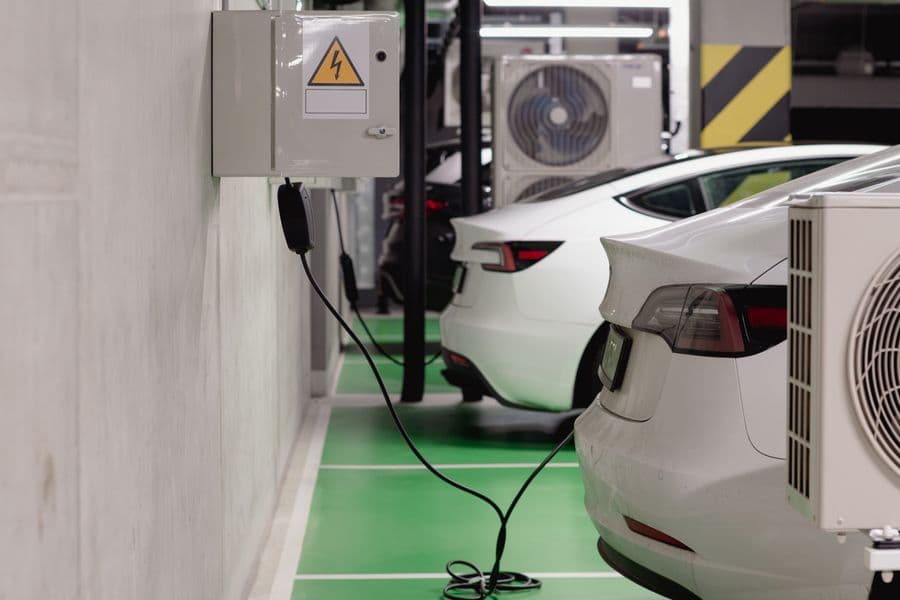
New EV owners often wonder whether they should rely on charging at home or out in public. The realistic answer for most people is both, used at different times and for different reasons. Each approach has clear strengths and a few genuine drawbacks, and understanding them honestly helps you build a charging routine that actually fits your life rather than fighting against it. The two are not competing options where you must pick a winner; they are complementary tools that together cover almost every situation you will face.
This guide lays out the trade-offs of each method without overselling either, examines how speed and cost shape the decision, and then shows how most owners blend the two into something that feels seamless and barely requires thought at all.
The Case for Home Charging
Home charging is the quiet hero of EV ownership for anyone fortunate enough to have their own parking. Its advantages are the kind you come to appreciate every single day without consciously noticing them.
- Convenience above all. You plug in the moment you arrive and unplug when you leave. There are no detours, no queues, and no apps to fumble with in the dark. The car charges quietly while you sleep, cook dinner, or simply relax at home.
- Lower cost per charge. Charging at home is billed through your normal electricity meter, which is usually meaningfully cheaper than public fast charging. Our explainer on kWh and your electricity bill shows exactly how this lands on your monthly statement and how to estimate it.
- A full battery each morning. Overnight charging means you typically start every day topped up and ready for whatever comes, which quietly removes a whole category of worry that petrol drivers never quite escape.
The trade-offs are mostly practical rather than dealbreakers, and they are worth being honest about:
- It requires a suitable parking spot and, ideally, a properly installed charger, as covered in our guide to home charging setup.
- Home charging is usually AC and therefore slower, which is perfect overnight but unhelpful when you are in a genuine hurry to get going.
- Condo and apartment dwellers may face building approvals or shared-wiring limits before they can install anything at all, which can take time and coordination.
The Case for Public Charging
Public charging fills precisely the gaps that home charging cannot reach. It is what makes longer journeys and city living without a private garage genuinely workable for a great many people.
- Speed when you need it. Many public stations offer DC fast charging, which can deliver a large top-up in well under an hour on many cars. As our guide to AC versus DC charging explains, this works because DC bypasses the car's onboard charger and feeds the battery directly at much higher power.
- Charging away from home. Public stations let you drive well beyond your battery's home-charged range, which is essential for road trips, provincial drives, and visiting places far from your own outlet.
- A reliable backup option. Even if you have a home charger, public stations cover you when traveling or when something at home is temporarily unavailable, such as during maintenance.
The downsides are worth knowing so they do not catch you off guard at an inconvenient moment:
- It generally costs more per kWh than charging at home, reflecting the convenience, the grid connection, and the expensive fast-charging hardware behind every stall.
- You may occasionally wait for an available stall, especially at busy times or popular locations, which is part of the current reality as the network grows.
- Coverage and reliability still vary by area, so some routes require more planning than others, as our look at charging networks describes in detail.
How Speed Shapes the Choice
A useful lens for deciding between the two is simply time, and who is waiting on it. Home charging is slow, but the time is essentially free, because the car sits idle while you do something else entirely. You are not standing around watching it. Public fast charging is quick, but you are usually present and waiting, eager to get back on the road. This is the heart of the trade-off explored in our guide to fast versus slow charging.
When time is abundant and you have somewhere to be anyway, slow home charging wins easily and cheaply. When time is scarce and distance is pressing, fast public charging earns its premium without question. Framing the decision around whose time is being spent makes the choice almost automatic in the moment.
How Cost Tilts the Balance
Cost reinforces what speed already suggests. Because home charging runs at residential rates through your own meter, it is typically the cheapest energy your car will ever use. Public fast charging carries a premium that pays for speed and infrastructure. Over a month of ordinary driving, leaning on home charging for the everyday and reserving public charging for travel keeps your running costs comfortably low. Owners who flip this, relying on public fast charging for routine top-ups they could have done at home, end up paying more than they need to. The cheapest kilometer is almost always the one charged overnight in your own carport.
How Most Owners Combine Them
In practice, the two methods are not rivals but partners, and the happiest owners stop thinking of it as an either-or choice altogether. A common and sensible pattern looks like this:
- Use home charging for daily driving, keeping the car topped up cheaply and effortlessly through the week without a second thought
- Use public DC charging for long trips or whenever you genuinely need a fast boost while out and about
- Treat public charging as a safety net rather than your main source, assuming you have home charging available to you
For those without home parking, the balance simply tips the other way, and that is perfectly fine. Public charging becomes the primary method, and choosing a home, office, or regular route near reliable stations matters far more. It is entirely workable; it just requires a little more deliberate planning, and tools that let you find a charger become part of the daily rhythm rather than an occasional convenience.
Reliability and Peace of Mind
There is one more dimension worth weighing that goes beyond speed and cost: predictability. Home charging is, for most owners, the most predictable thing in their week. The charger is always there, always free, and always yours. You never wonder whether it will be working or occupied. That quiet certainty is a large part of why owners with home charging tend to feel so relaxed about range; they simply start each day full, no matter what.
Public charging, by contrast, introduces a small element of the unknown that you learn to manage rather than eliminate.
- A station might be occupied when you arrive, especially at peak times near popular destinations
- A unit might be temporarily out of service, which is part of the reality of a growing network
- A site you have never visited might use a network or payment method you have not set up yet
None of these are dealbreakers, and experienced drivers barely register them because they keep a backup option in mind. But they explain why the emotional center of gravity for most owners is home charging. The public network is the adventurous, flexible partner that takes you far from home, while home charging is the dependable foundation you return to. Recognizing this difference in feel, not just in numbers, helps set realistic expectations and keeps either method from disappointing you.
Planning Around Real Routes
The practical art of combining both comes down to knowing your own patterns honestly. Map out where you usually drive, where you can charge along the way, and where the fast chargers sit on the routes you take most often. A driver who commutes a short distance and charges at home may rarely touch a public charger at all, while someone who travels between provinces regularly will weave public stops into every long journey. Neither is doing it wrong; they are simply matching the tools to their lives. Spend a little time understanding your real travel habits, and the right mix of home and public charging becomes obvious rather than something you have to agonize over.
The Honest Conclusion
As of 2026, the Philippine charging landscape is still expanding steadily, so flexibility genuinely pays off. Knowing the real strengths and weaknesses of each approach lets you lean on whichever suits the moment rather than forcing one method to do a job it was never meant for.
The happiest EV owners are almost always the ones who stop treating home and public charging as competitors and simply use the right charging for the right situation. Get that balance right and the question of home or public quietly disappears, replaced by a routine that just works in the background. If you want the bigger picture of how this fits into ownership, our overview of how it works ties it together, and anyone with a spare bay can help ease the public-charging crunch for others by choosing to list your charger.
Be our partner
Power the Philippines' electric future with us
Earn from an idle charger, or put your brand in front of EV drivers while they charge. Join the EVChargePH network today.