Charging 101
Fast Charging vs Slow Charging: Which Does Your EV Need?
By EVChargePH Team · July 26, 2026 · 9 min read
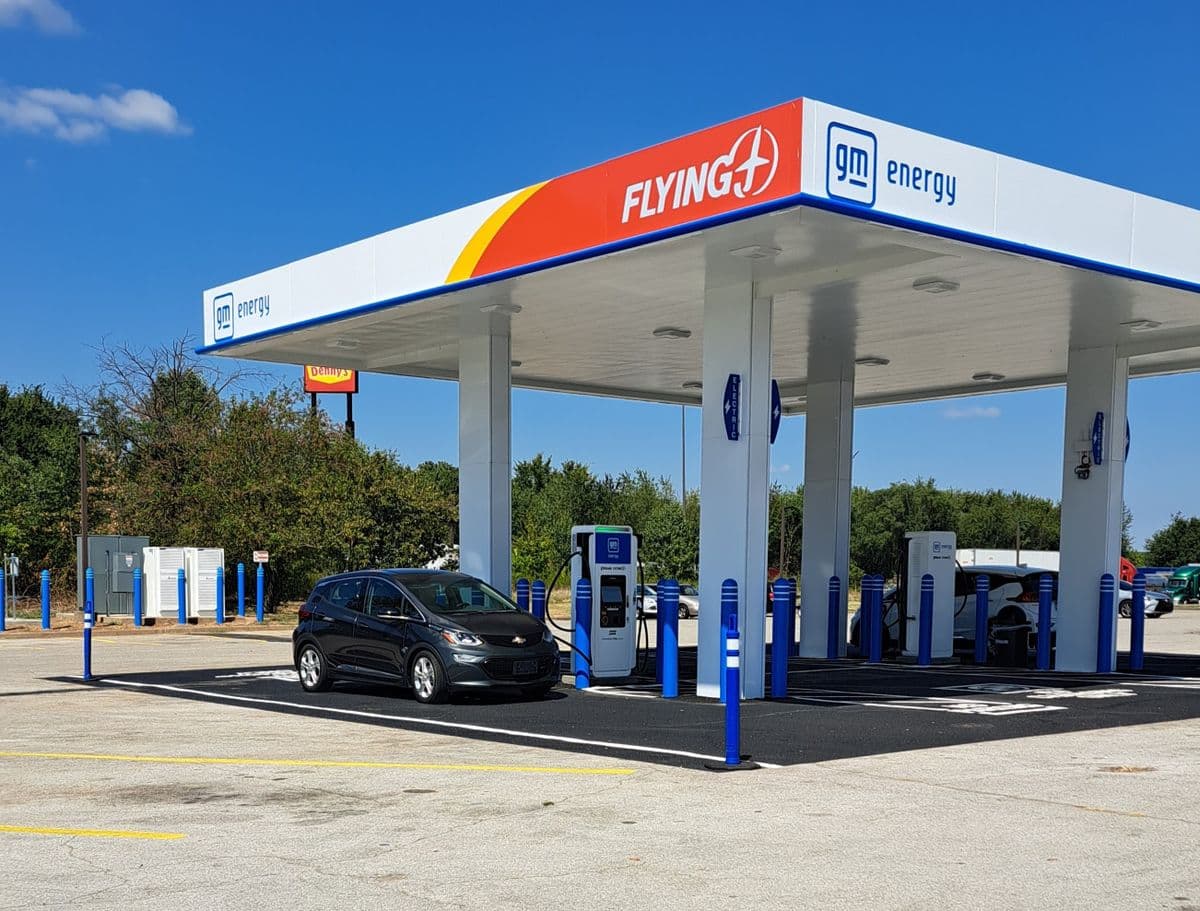
Fast charging and slow charging are not competing options so much as two tools for two different jobs, and knowing which your EV actually needs saves you money and worry. Slow AC charging, the kind you do at home overnight, is cheaper, gentler on the battery, and perfect for daily driving. Fast DC charging is faster and more expensive, and it exists mainly for trips and emergencies. In the Philippines, most drivers who can charge at home need far more slow charging than fast. Here is how to tell which is right for each situation.
What is the difference between fast and slow charging?
The core distinction between fast and slow charging comes down to whether the electricity arrives as AC or DC, and how much power flows. Slow charging uses alternating current, the same kind that comes from your wall, and the car's onboard charger converts it to the direct current the battery stores. Because that onboard converter is limited in size, AC charging is inherently gentler and slower, which is exactly what makes it ideal for long, unhurried overnight sessions.
Fast charging works differently. A DC fast charger is a large, powerful unit that converts the electricity to DC itself and feeds it straight into the battery, bypassing the car's small onboard converter. That lets it deliver far more power, taking a typical EV from low to around 80 percent in well under an hour rather than the many hours an AC charge takes. The trade-off is that this speed comes at a higher cost per kilowatt-hour and, if overused, slightly more stress on the battery over time.
So the two are not better or worse than each other; they are suited to different moments. Slow AC charging is the workhorse of daily ownership, quietly refilling your car while you sleep, while fast DC charging is the sprinter you call on when you need range quickly on the road. Our guide to how long charging takes puts real numbers on both, and the glossary defines the AC and DC terms. Our deeper explainer on AC versus DC charging covers the technical side if you want more detail.
When does slow AC charging make sense?
Slow AC charging makes sense far more often than newcomers expect, and for most owners it handles the overwhelming majority of their charging needs. The reason is simple: your car sits parked overnight for eight or ten hours anyway, and slow charging turns that idle time into a full battery by morning. You plug in when you get home, unplug when you leave, and the slow speed becomes completely invisible because it happens while you sleep.
This is why home AC charging on a wallbox is the foundation of low-cost, low-stress EV ownership. It is the cheapest electricity available to you, it is gentle on the battery, and it requires no planning beyond plugging in. For a driver who covers typical daily distances and can charge at home, slow charging alone covers essentially all of their needs, with fast charging reserved for the occasional trip. Our guide to EV home charging setup walks through installing the wallbox and dedicated circuit that make this effortless.
Slow AC charging also extends beyond the home. Destination charging at malls, offices, and hotels is usually AC, letting you top up gently while you park for other reasons, often cheaply or even free. If you want to estimate how much range a given slow session will add before you plug in, the EV charging time calculator helps you plan. The broad point is that slow charging, whether at home or at destinations, should be your default, and it keeps your monthly cost low, as our guide to monthly charging costs shows.
When do you actually need fast DC charging?
Fast DC charging earns its place in specific situations, and recognizing them helps you use it wisely rather than defaulting to it out of habit. The clearest case is long-distance travel, where you need to add significant range in the time it takes to have a meal or a rest stop. On a road trip along the expressways, fast charging is what makes the journey practical, turning a long drive into a series of short, planned pauses.
The other genuine case is an emergency top-up, when you find yourself lower on range than planned and need to get moving quickly. Fast charging is the tool that rescues you from an unexpectedly low battery without a long wait. Beyond trips and emergencies, though, most daily drivers who charge at home simply do not need fast charging for routine use, because their overnight slow charging already covers them.
A few situations do lean more heavily on fast charging by necessity:
- Drivers who cannot charge at home, such as some condo dwellers without a slot charger, may rely more on public charging, though a mix of destination and peer-to-peer AC charging often serves better than constant DC.
- High-mileage drivers on the road all day may need to top up quickly between jobs to keep going.
- Anyone caught short on range benefits from a quick DC boost to reach their destination or a home charger.
One important caveat applies to certain cars: the connector matters. Most EVs in the Philippines fast-charge on CCS2, but the Nissan Leaf uses CHAdeMO, so its owners must confirm a station offers the right plug, as our Nissan Leaf guide explains. Whatever you drive, you can find a charger and check its type and connector before you go.
Does fast charging hurt your battery?
This is one of the most common worries among new EV owners, and the honest answer is nuanced: occasional fast charging is fine, but relying on it exclusively is not ideal for long-term battery health. The high power of DC fast charging generates more heat and puts more stress on the battery than gentle AC charging, and over many years, very heavy fast-charging use can contribute modestly to battery aging. This is a real effect, but it is easy to overstate.
For a typical owner, the practical guidance is reassuring. Using fast charging for trips and emergencies while doing most of your everyday charging slowly at home is exactly the pattern that keeps a battery healthy, and it is what most owners naturally do anyway. Modern EVs also manage battery temperature and charging carefully to protect the pack, so occasional fast charging is well within what the car is designed to handle. Our guide to EV battery health in the Philippines covers the topic in full, including the role of heat.
The related habit worth knowing is the 80 percent rule. On a fast charger, charging slows dramatically past 80 percent to protect the battery, so the last stretch takes nearly as long as the first 80 and is poor use of your time on a trip. Stopping at around 80 percent is both faster overall and gentler on the battery, which is why experienced drivers unplug there and move on, saving the slow final top-up for an overnight home charge. In short, fast charging does not hurt your battery in normal use; over-reliance on it, and always charging to 100 percent quickly, is the pattern to avoid.
Which is cheaper, fast or slow charging?
Cost is where slow charging wins decisively, and it is a major reason to make slow charging your default. Slow AC charging at home draws straight from your residential rate, roughly 11 to 13 pesos per kWh on a typical Meralco tariff, with no premium for speed or location. That is the cheapest electricity available to you, and it is what makes home charging so much cheaper than petrol over the same distance.
Fast DC charging costs more per kilowatt-hour, sometimes considerably more, because you are paying for the expensive high-power equipment and the convenience of rapid charging. Destination AC charging sits in between, often cheap or free while you park. The cost hierarchy is clear and consistent: home slow charging is cheapest, destination AC charging is usually inexpensive, and public DC fast charging is the priciest per kWh. Our guide to cutting your EV charging costs shows how to lean on the cheap options and minimize the expensive ones.
The sensible conclusion ties everything together: use slow charging as your default because it is cheaper and gentler, and reserve fast charging for the trips and emergencies where its speed genuinely earns the extra cost. A home-charging driver who follows this pattern enjoys the lowest possible running costs and a healthy battery, while still having fast charging available for the moments it matters. To see how the pieces fit into overall ownership, the EV savings calculator lets you compare your charging mix against a petrol car.
Frequently asked questions
What is the difference between fast and slow EV charging?
Slow charging uses AC power through the car's onboard converter and is gentle and cheap, ideal for overnight home charging over many hours. Fast charging uses a powerful DC unit that feeds the battery directly, adding lots of range in under an hour but at a higher cost per kWh. They serve different jobs: slow for daily use, fast for trips and emergencies.
Does fast charging damage your EV battery?
Occasional fast charging is fine and well within what modern EVs are designed to handle. The concern is over-reliance: very heavy, exclusive fast-charging use generates more heat and can contribute modestly to battery aging over many years. Doing most everyday charging slowly at home and using fast charging mainly for trips keeps a battery healthy, which is the pattern most owners follow naturally.
Do I need fast charging if I charge at home?
Usually not for daily driving. If you charge at home overnight, your slow AC charging already covers your everyday needs, and you start each day with a full battery. Fast charging becomes useful mainly for long trips and emergencies. Drivers who cannot charge at home lean on public charging more, but a mix of destination and peer-to-peer AC charging often serves better than constant DC.
Is fast charging more expensive than slow charging?
Yes. Public DC fast charging costs more per kWh than home slow charging, because you pay for the high-power equipment and convenience. Home charging draws straight from your residential rate of roughly 11 to 13 pesos per kWh, the cheapest option. Destination AC charging sits in between and is often cheap or free while you park. Slow charging is the cheapest way to run an EV.
Be our partner
Power the Philippines' electric future with us
Earn from an idle charger, or put your brand in front of EV drivers while they charge. Join the EVChargePH network today.