Cost & Ownership
Cost to Charge an EV vs Filling Up with Gas (PH)
By EVChargePH Team · April 5, 2026 · 8 min read
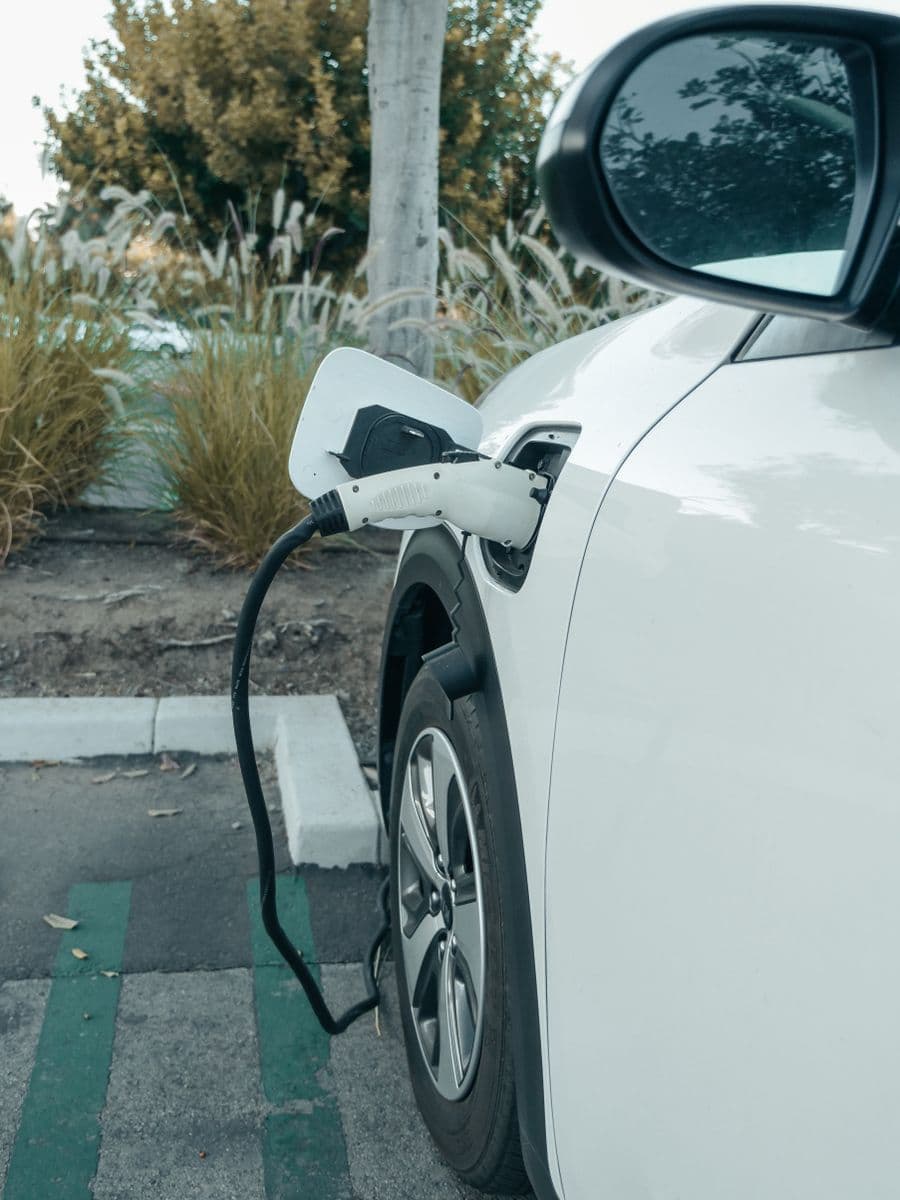
One of the first questions Filipino drivers ask about going electric is refreshingly practical: will it actually cost less to run? The short answer, as of 2026, is usually yes, and often by a comfortable margin. But the size of the savings depends on where and when you charge, how efficiently your car uses energy, and what fuel costs in your area on any given week. Understanding the mechanics behind the comparison helps you set realistic expectations rather than relying on a single headline number you read somewhere.
How the two costs are actually measured
A petrol or diesel car burns fuel measured in liters per 100 kilometers. An electric car uses electricity measured in kilowatt-hours (kWh) per 100 kilometers. The trap people fall into is comparing the price of one liter against the price of one kWh, which tells you almost nothing because the two units are not interchangeable. The fair way to compare is to work out the cost to drive a fixed distance, then put those two numbers side by side.
For a fuel car, multiply the liters you use over 100 kilometers by the current pump price. For an EV, multiply the kWh you use over the same distance by your electricity rate. The reason the EV usually wins is that an electric drivetrain converts a far larger share of its stored energy into actual motion, while a combustion engine loses a great deal of energy as heat. If you want a deeper walk-through of the energy unit itself, our explainer on km per kWh efficiency breaks down how to read the number, and the guide on what a kWh means on your bill connects it to the figures your distribution utility actually charges.
Why home charging almost always wins
The cheapest electricity you can get is, for most owners, the power flowing into your house on your normal residential rate. Home charging avoids the markup that comes baked into retail fuel and roadside convenience, which is why it is typically the lowest cost per kilometer available. There is no station operator margin, no premium for speed, and no detour out of your way.
- Home charging is usually the cheapest option, especially overnight when many households use less power
- Public AC charging costs more than home but is still frequently competitive with fuel
- DC fast charging is the priciest per kWh, because you are paying a premium for speed and convenience on the road
Your actual cost depends on your electricity rate, which varies by distribution utility and shifts over time as generation charges move. It is genuinely worth pulling up your latest bill to find your real per-kWh charge before you estimate any savings. If you are weighing where to plug in most often, our comparison of public versus home charging lays out the trade-offs, and you can see what is available near you on the find a charger map.
What narrows the gap
Charging is not free, and a handful of factors can shrink your advantage if you are not paying attention. Heavy reliance on fast chargers during long trips, charging during peak hours where time-of-use pricing applies, and higher electricity tariffs in certain regions all chip away at the savings. Even with these, the running cost of an EV generally stays below that of a comparable fuel car for drivers who do most of their charging at home.
There are also reasons the gap can be wider than a simple energy calculation suggests. A fuel car needs regular oil changes, has more wear items, and visits the workshop more often, while an EV trades much of that routine servicing for occasional battery and software considerations. When people talk about EV savings, they usually mean the combination of cheaper energy and lighter maintenance. Our breakdown of EV maintenance savings covers that side in detail, and the broader five-year cost of ownership piece stitches energy, upkeep, and depreciation together.
The role of fast charging in your math
It helps to separate two kinds of charging in your head. The first is everyday topping up, where the car sits at home or work and sips power slowly and cheaply. The second is the occasional fast charge on a road trip, where you pay more per kWh for the privilege of getting back on the highway quickly. Most owners do the vast majority of their charging in the first category and only occasionally dip into the second.
If you picture an EV the way you might picture a phone, that distinction makes sense. You charge it overnight without thinking, and the expensive fast top-up is a rare exception rather than the rule. The practical takeaway is that your blended cost per kilometer is usually much closer to your cheap home rate than to the headline price of a fast charger, simply because you use the cheap option far more often.
A realistic way to estimate your own number
Generic averages are a poor substitute for a calculation grounded in your own car and your own rate. To get a number you can actually trust, work through this:
- Find your car's real-world efficiency in kWh per 100 km, not just the brochure figure
- Multiply that by your latest electricity rate to get your cost per 100 km at home
- Compare it against your fuel car's liters per 100 km at the current pump price
- Repeat the exercise for the slice of charging you expect to do at public or fast chargers
Do the same exercise for your typical mix of home and public charging, then weight the two by how often you realistically use each. For most Philippine drivers who can charge at home, the result lands clearly in favor of the EV, with public charging used mainly as a convenient top-up rather than the primary source of power.
It also helps to remember that neither side of this comparison is frozen. Pump prices swing with global oil markets and local taxes, sometimes dramatically within a single year, while electricity rates move too, though they tend to be steadier than fuel for households. Because both inputs change, the smart approach is to treat any cost comparison as a snapshot and to redo the math when prices shift noticeably. The underlying advantage of the EV's efficient drivetrain tends to persist, but the exact peso gap will breathe with the market, so a number you trust today is worth refreshing in a year. Government measures that support electric vehicles can also influence the total picture of ownership, and while they do not change the basic physics, they can sweeten the overall case.
Home, public, and fast charging compared in pesos
It helps to see the three charging tiers as a ladder of cost, because where you charge changes your per-kilometer figure more than almost anything else. At the bottom rung sits home charging on your residential rate, which is the cheapest energy most owners can access. The middle rung is public AC charging, found at malls, offices, and some establishments, which carries an operator margin on top of the underlying electricity but still tends to beat fuel on a per-kilometer basis. The top rung is DC fast charging, where you pay a premium for speed and the convenience of getting back on the road in minutes rather than hours.
The reason this ladder matters is that your real cost is a blend, weighted by how often you stand on each rung. A driver who charges at home almost every night and only fast-charges on the occasional long trip pays a blended rate close to the cheap bottom rung. A driver with no home charging who relies on public and fast stations pays a blended rate much higher up the ladder, though still usually below fuel. Before you assume either extreme applies to you, it is worth honestly estimating your own mix and checking what stations exist near you before you decide which rung you will mostly stand on. The faster a charger delivers power, the more you tend to pay for that speed, so the convenience of a quick fill is something you buy deliberately rather than by default.
Common mistakes when comparing the two
People comparing EV charging cost against fuel often stumble in predictable ways, and avoiding these keeps your conclusion honest. The first mistake is comparing the price of a single liter against a single kWh, which is meaningless because the two units do different amounts of work. Always compare the cost to cover the same distance instead. The second mistake is using the optimistic brochure efficiency rather than a real-world figure; in daily Philippine driving your air conditioning and city traffic will pull the real number down, sometimes by a noticeable margin, so build your estimate on what the car actually achieves rather than the headline rating.
A third common error is assuming all your charging happens at the most expensive fast charger, which dramatically overstates your cost, since most charging realistically happens slowly and cheaply at home. The reverse mistake also exists: assuming every kilowatt-hour comes at your cheap home rate when you actually rely heavily on public charging. The honest approach threads between these by weighting each charging type by how often you truly use it. A fourth, subtler error is forgetting that pump prices and electricity rates both move over time, so a comparison that was true last quarter may have drifted. Treat any peso figure you calculate as a snapshot, and redo the sums when prices shift noticeably rather than trusting a number you worked out months ago.
Putting it in perspective
For someone deciding whether the switch is worth it, the energy comparison is one important piece of a larger puzzle that also includes purchase price, maintenance, and how you actually use the car. The cost of charging is rarely the thing that makes or breaks the decision on its own, but it is consistently a point in the EV's favor for home-charging owners.
If you happen to own a charger, the economics can flip in another direction entirely, since you can earn from drivers topping up rather than only paying for your own energy. Hosts can list your charger to put a private unit to work, which turns a fixed asset in your driveway into a small source of income. For most readers, though, the bottom line is simple: charge at home where the rate is lowest, check your real per-kWh figure rather than a generic average, and use public charging mainly as a convenient top-up. Do that, and the running cost of an electric car tends, week after week and trip after trip, to undercut what the same driving would cost at the pump.
Be our partner
Power the Philippines' electric future with us
Earn from an idle charger, or put your brand in front of EV drivers while they charge. Join the EVChargePH network today.