Charging 101
Why Does EV Charging Slow After 80%?
By EVChargePH Team · October 27, 2026 · 5 min read
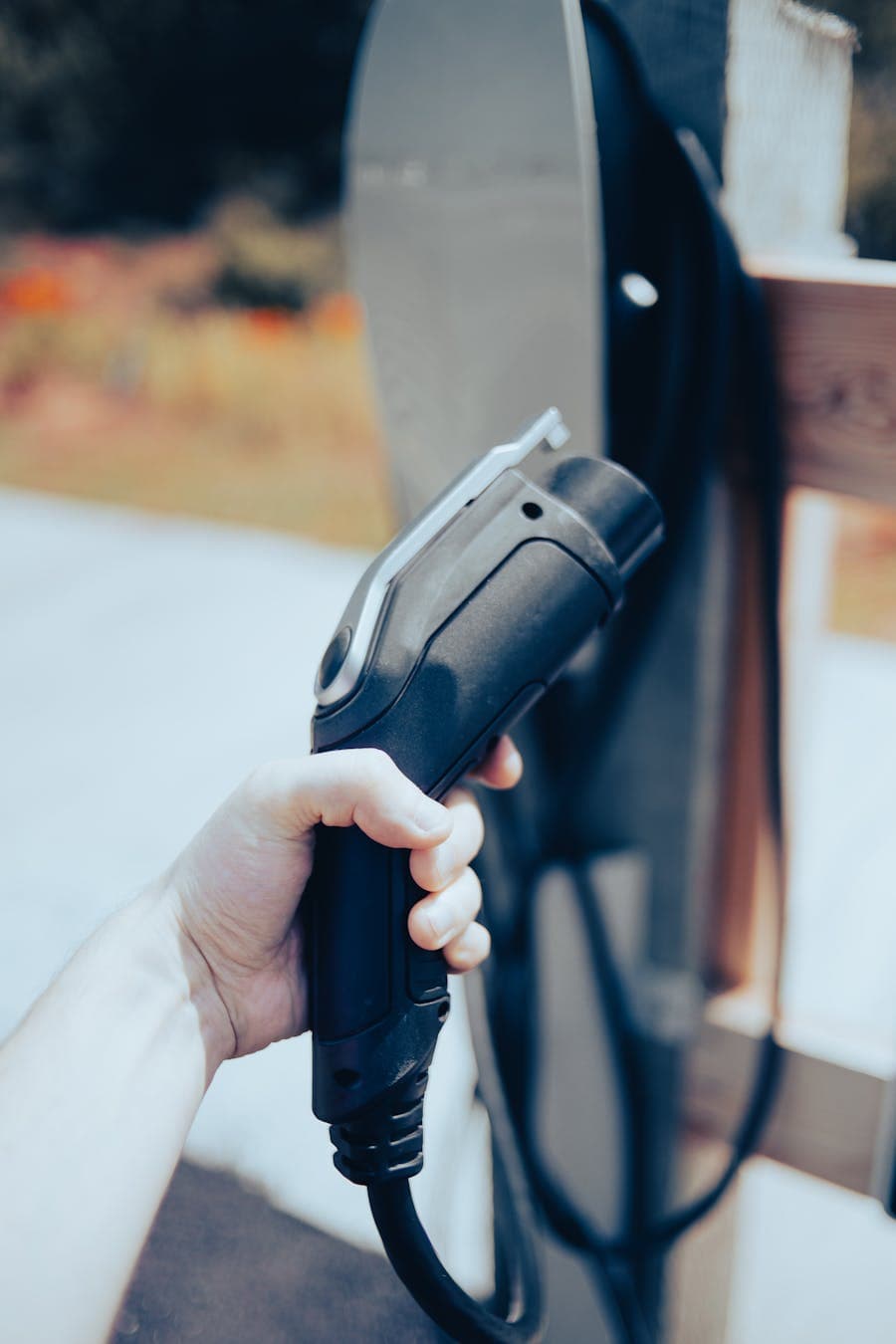
If you have watched an EV fast-charge, you may have noticed the last 20% crawls compared with the first 80%. This is normal and intentional, not a fault. As the battery fills, the car deliberately slows the charging rate to protect the pack, which is why the stretch from 80% to 100% can take as long as everything before it. For most charging, stopping at around 80% is the smart move.
Why does it slow down so much near full?
Think of it like boarding a bus. The first passengers find seats quickly, but once most seats are taken, the last few take longer to settle in. A battery is similar: when it is low, there is plenty of room to accept power fast; when it is nearly full, there is little space left, so power has to trickle in carefully.
The battery management system, the pack's protective brain, controls this. Pushing high power into a nearly full battery would stress and heat it, so the system tapers the rate on purpose. This is part of the broader charging curve, and the brain behind it is explained in how a battery management system works.
Why is 80% a common stopping point?
Because beyond 80%, you spend a lot of time for a little extra range. On a road trip, that time is usually better spent driving to the next charger.
- It is faster overall. Stopping at 80% keeps you in the quick part of the curve, so your total trip time drops.
- It is gentle on the battery. Avoiding long spells at a very high charge eases stress over the years.
- You still have plenty of range. 80% is more than enough to reach the next stop with a buffer.
This is why EV range claims often describe adding most of your range in a short stop, rather than a full 100% charge quickly.
When should I charge to 100%?
There are good reasons to fill right up sometimes.
- Before a long drive where you need maximum range to reach the next charger comfortably.
- When your car uses an LFP battery, since those chemistries generally tolerate, and sometimes benefit from, regular full charges. Follow your owner's manual.
For everyday use, though, topping up to around 80% at home overnight is both convenient and kind to the battery, as our guide to EV home charging covers. You can see the time difference with the charging time calculator.
Frequently asked questions
Is it bad that my EV slows down after 80%?
No, it is completely normal and protective. The car tapers the charging rate near full to keep the battery safe and cool. Every EV does this; it is not a sign of a problem.
Should I always stop charging at 80%?
On trips and for daily use, usually yes, because it is faster overall and gentle on the battery. Charge to 100% when you need maximum range for a long drive, or if your car's manual recommends it for an LFP battery.
Does stopping at 80% mean I am not getting full value?
Not at all. You still get most of your range in the quickest part of the charge. The last 20% simply costs a lot of time for little gain, which is why skipping it on trips is efficient.
Why can I charge to 100% at home without it feeling slow?
Home AC charging is slow and steady anyway, so the taper near full is less noticeable. You simply leave it plugged in overnight and wake up full, which is the convenient everyday routine.
Be our partner
Power the Philippines' electric future with us
Earn from an idle charger, or put your brand in front of EV drivers while they charge. Join the EVChargePH network today.