Buying Guide
Tesla vs BYD: How to Choose
By EVChargePH Team · April 23, 2026 · 9 min read
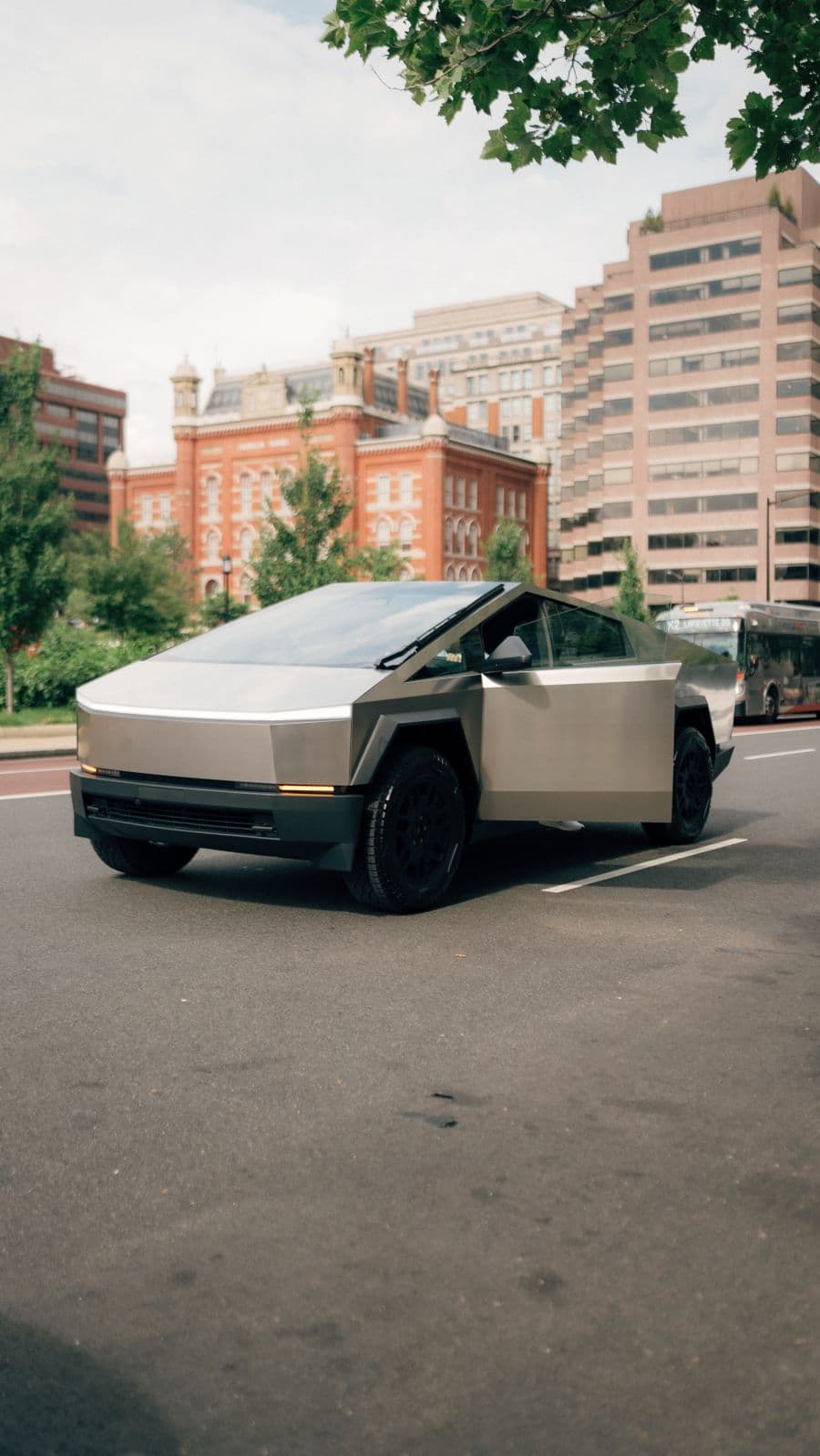
Tesla and BYD are arguably the two most talked-about EV brands in the Philippines right now. Both have official local presence, both have passionate online fan bases, and both will happily sell you a car this weekend. But they approach the electric car from genuinely different directions, and the right pick depends far more on what you personally value than on which name carries more buzz on social media. This guide walks through how the two brands tend to differ, what to verify with your own eyes in a showroom, and how to turn a heated online debate into a calm, personal decision you will be happy with for years rather than months.
Two very different origin stories
Tesla built its reputation on software, over-the-air updates, and a tightly integrated charging network abroad. Its cars are minimalist inside, leaning heavily on a central touchscreen for nearly every function, from climate control to opening the glovebox. They tend to attract buyers who enjoy a tech-forward experience and the novelty of features that arrive via software after purchase, much the way a phone gains new abilities through updates. The Model 3 saloon and the Model Y crossover are the volume sellers, and our deeper look at the Tesla Model 3 in the Philippines covers what daily ownership is actually like for shortlisting purposes.
BYD comes at it from almost the opposite end of the spectrum. As one of the world's largest battery manufacturers, BYD leads with its in-house battery technology and offers a remarkably broad line-up — from compact city hatchbacks to family SUVs and seven-seaters. Interiors tend to be more conventional and generously equipped straight out of the box, with plenty of physical comforts and buttons rather than a stripped-back, screen-only cabin. If you want to see that breadth in practice, the BYD Atto 3 review walks through a popular family-friendly model, while the BYD Seal and BYD Dolphin sit above and below it on price within the same badge. That spread is itself a key part of the comparison, because Tesla keeps its local range deliberately tight while BYD casts a much wider net across body styles and budgets.
Where each tends to win
Neither brand is universally better; they simply prioritise different things, and recognising that honestly is the whole game. Here is how the strengths usually fall in everyday practice.
- Range and efficiency: Both offer competitive figures across their ranges. Compare the specific variants you are actually considering rather than the badges, since trims differ widely and the headline numbers are lab figures — see why in our guide to WLTP versus real-world range.
- Line-up breadth: BYD generally fields more body styles and price points, which helps families and first-time buyers find an exact fit instead of compromising on size or budget.
- Software experience: Tesla is known for a polished, frequently updated interface and driver-assistance features that tend to improve over the life of the car through ongoing updates.
- Cabin feel out of the box: BYD often layers in more physical buttons, textures, and comfort features as standard, while Tesla bets firmly on minimalism and the central screen doing everything.
Charging is part of the brand choice
How and where you will charge matters every bit as much as how the car drives, and it is surprisingly easy to overlook in the excitement of a first test drive. Tesla's Supercharger story is a major draw in some markets, though local availability and access rules are still evolving and should not simply be assumed. BYD relies on the broader public charging ecosystem, so understanding the EV charging networks in the Philippines helps you judge real-world convenience for either brand honestly rather than optimistically.
Whichever you lean toward, do not buy on a charging fantasy. Scout the stations near your home and along your regular routes on the charger map so you are buying into a charging reality rather than a glossy brochure promise. A brilliant car that is awkward to keep topped up will sour the entire ownership experience faster than any spec difference between the two brands ever could, so this homework genuinely matters.
Battery technology and the long view
It is worth sitting with the fact that both companies are, at heart, battery businesses as much as car companies, and that shapes how each one behaves in the market. BYD makes its own cells in enormous volume and has built much of its identity around that vertical integration, which it argues gives it tight control over cost, safety, and supply. Tesla, for its part, has spent years refining how its software manages the battery, how it charges, and how it ages, and that accumulated know-how shows up in the polish of the ownership experience rather than on a spec sheet.
For a buyer, the practical takeaway is not to crown a technical winner but to focus on the things that affect you directly over a long ownership.
- Battery warranty length and terms, since this is the component you most want protected and the one that quietly anchors resale value years down the line.
- Real-world charging behaviour, including how quickly the car charges when you actually need it and how gracefully it manages heat in the local climate.
- Long-term software and update support, which matters more for the heavily software-driven Tesla but is increasingly relevant for BYD too as its cars grow more connected.
None of this should be taken on faith from a forum post. Ask each dealer directly, read the warranty document rather than the brochure, and weigh the answers against your own plans to keep the car for many years rather than flip it quickly.
Practical things to verify in 2026
Do not buy on reputation alone, however loud and confident the fan base sounds online. Visit both showrooms and confirm the unglamorous details that actually shape day-to-day ownership and eventual resale value.
- Warranty terms on the vehicle and, crucially, on the battery, which is by far the most expensive single component to replace.
- After-sales support — parts availability, service intervals, and how far you must travel for major work, especially if you live outside Metro Manila where networks thin out quickly.
- Charging compatibility with the public networks you will realistically use here, not just the ones that photograph well in marketing material.
- Resale outlook, which is still maturing for EVs in the local market and harder to predict confidently than for established petrol cars.
Pricing for both brands shifts with promotions, exchange rates, and new model arrivals, so treat any figure you see online as indicative — confirm with current dealer listings before budgeting. If you are weighing total cost rather than just the headline price, our breakdown of the cost of EV ownership in the Philippines lays out the fuller picture over years of real driving.
Matching the brand to your life
Strip away the tribalism and the choice becomes personal rather than absolute, which is liberating once you accept it. If you prize a cutting-edge software experience and are comfortable being an early adopter who tinkers, updates, and genuinely enjoys new features arriving over time, Tesla leans clearly your way. If you instead want a wider menu of practical body styles, a strong battery pedigree from a maker that builds its own cells, and a more familiar, fully-featured cabin from day one, BYD is genuinely compelling and hard to fault.
Families in particular often appreciate BYD's range of sizes, since household needs change as children arrive and grow, and the option to step up to a roomier model without switching brands is genuinely useful over a decade of ownership. A driver who lives on the highway has very different priorities from a city commuter, and a household juggling daily school runs has different priorities again. Neither badge is wrong; they simply emphasise different strengths, and your routine quietly decides which set matters most to you.
Making the call
The smartest move, by a wide margin, is a back-to-back test drive of the exact variants within your budget on the same day. Sit in both, drive both in real traffic rather than a quiet showroom loop, and ask each dealer the same hard questions about warranty, service, and charging so you can compare like for like rather than vibes for vibes. Take your time at this stage; a car is a years-long commitment, and an hour of careful comparison now saves a great deal of second-guessing later.
It also helps to bring along the people who will actually share the car and the realities of your week. Park it where you usually park, imagine the daily routine around it, and notice which one quietly removes friction rather than adding it. The fan bases online will tell you their favourite is the only sensible answer, but they are not the ones living with your commute, your family, or your charging situation. Pay close attention to the small things too — how intuitive the controls feel after just five minutes, how easy parking is in a tight slot, whether the cabin genuinely suits your family and all their bags. The car that answers all of that best for your particular situation is your winner, regardless of which badge happens to have the louder fan base online. And if you end up with a charger at home and a spare slot sitting idle during the day, you can even list your charger to let nearby drivers top up, quietly turning your purchase into a small earner over time.
Be our partner
Power the Philippines' electric future with us
Earn from an idle charger, or put your brand in front of EV drivers while they charge. Join the EVChargePH network today.