Charging 101
AC vs DC Charging: What's the Difference?
By EVChargePH Team · May 15, 2026 · 8 min read
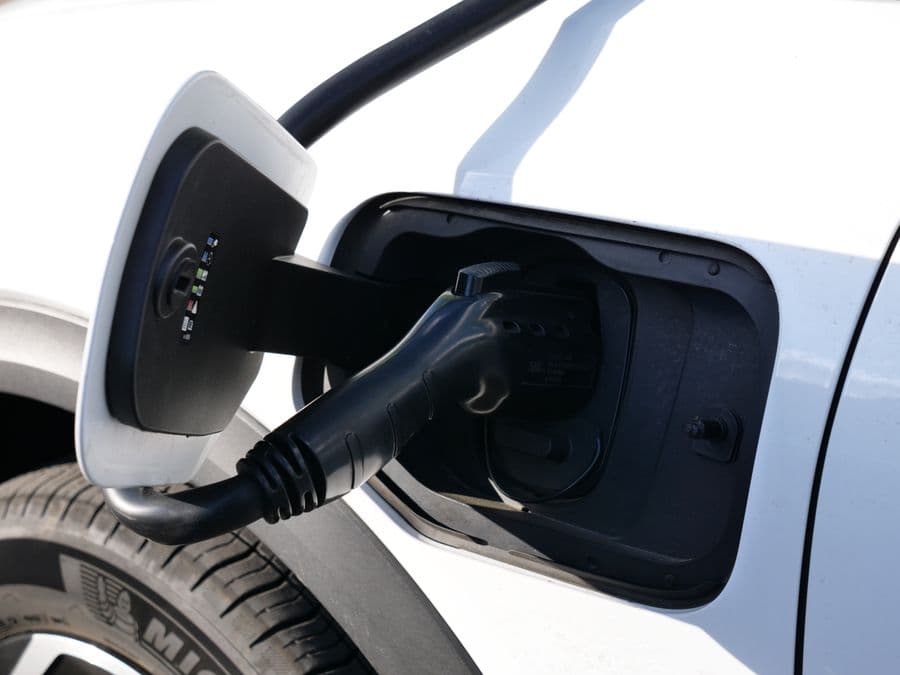
Every electric vehicle on Philippine roads stores its energy as direct current (DC) inside the battery pack. Yet the electricity that flows out of the wall socket in your home is alternating current (AC). That single mismatch between what the grid delivers and what the battery needs is the entire reason AC and DC charging exist as two distinct things. Understanding the difference is the foundation for everything else about living with an EV, from planning a road trip to deciding what kind of charger to install at home.
If you have ever wondered why some chargers fill your battery in under an hour while others take all night, the answer lies almost entirely in this AC-versus-DC split. It is not that one type of electricity is more powerful than the other in some mysterious way. It is about where the conversion from AC to DC happens and how much equipment is dedicated to doing it. This guide walks through how each method works, why one is faster than the other, what really limits your charging speed, and how most owners end up using both without even thinking about it.
How AC Charging Works
When you plug into an AC source, such as a home wall box or a slower public station, the electricity arrives at the car still in its alternating form. The vehicle cannot store AC directly, so it relies on a component called the onboard charger. This is a converter built into the car that turns incoming AC into the DC the battery can actually hold. Every EV has one, tucked away inside the vehicle, quietly doing the conversion work every time you charge from an AC source.
The important detail is that the onboard charger has a fixed size limit. It can only process so much power at once, and that ceiling is set by the manufacturer when the car is built. A bigger, more capable onboard charger adds cost and weight, so carmakers size it to be sensible rather than enormous. Because of this limit, AC charging is generally the slower method. That is not a flaw, though. It is perfectly suited to situations where the car is going to sit still for hours anyway:
- Overnight charging in your own garage or carport, where you have all night
- Topping up while you are at the office for a full workday
- Slower public chargers found in malls, condos, hotels, and restaurants
- Destination charging where you are staying put for an extended period
Since the conversion hardware lives inside the car, the AC charging station itself can be relatively simple and inexpensive. It essentially just needs to deliver clean AC power safely; the clever conversion work is the car's job. That is why AC chargers are far more common and why they dominate home and destination charging. If you want to understand the deeper relationship between power ratings and time, our breakdown of EV charging speeds goes further into the numbers.
How DC Charging Works
DC charging flips the entire process around. Instead of leaning on the car's modest onboard charger, a DC fast charger performs the AC-to-DC conversion inside the large roadside unit itself. It then feeds ready-to-use direct current straight into the battery, bypassing the onboard charger completely. The car's own converter sits idle during a DC session because the station has already done its job.
This is precisely why DC fast charging is so much quicker. The bulky, expensive, heat-generating conversion equipment sits in the station rather than in your vehicle, so it can be built far larger and push significantly more power than any car could reasonably carry around. A DC fast charger is a substantial piece of infrastructure, often the size of a small cabinet, with serious cooling and grid connections behind it. You will typically find DC chargers along highways, at dedicated charging hubs, and at key stops where drivers want to spend as little time as possible before getting back on the road. When you are mapping out where these live, our directory to find a charger is the quickest way to see what is nearby.
A few things shape the real-world speed of a DC session:
- The station bypasses the onboard charger, so the car's slow AC limit no longer applies
- The battery accepts power fastest when it is relatively low and deliberately tapers as it fills
- Heat builds up faster during DC charging, which the car manages carefully to protect the pack
- The session is monitored constantly by both the car and the station for safety
The Rate Is Gated by the Lower Limit
Here is a concept that trips up many new owners. Plugging into a powerful station does not guarantee a fast charge, and the reason is simple: the charging rate is gated by the lower of two limits. One limit is how much power the station can deliver. The other is how much power your specific car is willing to accept. Charging always happens at whichever of those two numbers is smaller.
- A modest car plugged into a very powerful charger will only draw as much as the car allows
- A fast-charging car plugged into a slow unit is held back by the station
- Top speed only happens when both the car and the charger are capable of it
This is why two EVs sitting side by side at the same station can charge at noticeably different rates. The station is identical, but the cars are not. One may have a high-capacity battery and electronics designed for rapid charging, while the other is built for gentler everyday use. Keeping this principle in mind saves a great deal of confusion and stops you from blaming a charger for what is really a vehicle limit, or vice versa. It also means that when you shop for an EV, the car's own charging capability is just as important as the chargers you plan to use. Our piece on fast versus slow charging explores how to lean into this reality rather than fight it.
Which One Should You Use?
Neither method is better overall. They simply suit different moments, and choosing well comes down to the situation rather than a fixed rule.
- For daily use, AC charging at home is ideal. You plug in, sleep, and wake up to a full battery. It is gentle on the pack, quiet, and costs less per session because it runs through your normal electricity meter.
- For long trips, DC fast charging is your ally. A rough 20-to-80 percent top-up can take well under an hour on many cars, though exact times vary by vehicle and station. That window is enough to turn a long provincial drive into a manageable journey with a coffee break.
A few more points worth holding onto as of 2026:
- Not every car charges at the same speed even at the same station, because the maximum charging rate is decided by the car
- Frequent DC fast charging generates more heat, so many owners reserve it mainly for travel and rely on AC for everyday top-ups
- The connector you use can differ between AC and DC, which is worth confirming before you commit to a particular model
The connector point deserves a closer look, because the plug on your car decides which stations you can physically use. Some cars combine AC and DC into a single port, while others keep them separate. Our guide to EV connector types untangles exactly which plug does what, so you can match your car to the chargers you will actually encounter.
How the Costs Compare
Cost is where the two methods diverge in a way that affects your wallet every month. AC charging at home is usually the cheapest energy your EV will ever drink, since you pay your residential rate per kilowatt-hour through your normal meter. DC fast charging at public stations typically costs more per unit of energy, reflecting the expensive hardware, the grid connection, the convenience, and the speed. That premium is entirely fair for the times you genuinely need it, but it is the reason most owners treat public fast charging as a travel tool rather than a daily habit.
Thinking about it this way helps you build cost-effective routines. Lean on cheap overnight AC charging for the bulk of your driving, and accept the higher cost of DC only when distance or time demands it. If you want to see how this stacks up against petrol, our comparison of charging cost versus gas lays out the broad picture, and our explainer on kWh and your electricity bill shows how home charging shows up on your statement.
Putting It All Together
The cleanest way to remember the distinction is this: AC is the slow, everyday sip; DC is the fast, on-the-go gulp. AC routes through the car's onboard charger and is limited by it; DC bypasses that converter and pushes power straight to the battery; and in both cases the actual speed is capped by whichever of the car or station can handle less. The battery also tapers its intake as it nears full, which is why owners so often charge to around 80 percent on the road and finish the rest at home.
Most owners end up using both methods without much fuss at all. They wake up to a full battery from an overnight AC charge, drive their normal week without a second thought, and reach for DC fast charging only when a longer journey demands it. Once the difference clicks, charging stops feeling like a chore and starts fitting neatly around your life rather than dictating it. If you are still weighing whether an EV suits your routine at all, our overview of how it works is a good next stop, and anyone with a spare parking bay might even consider helping fill the gaps by choosing to list your charger for the wider community.
Be our partner
Power the Philippines' electric future with us
Earn from an idle charger, or put your brand in front of EV drivers while they charge. Join the EVChargePH network today.