Charging 101
Charging Your EV During Brownouts and Typhoons (Philippines)
By EVChargePH Team · October 27, 2026 · 6 min read
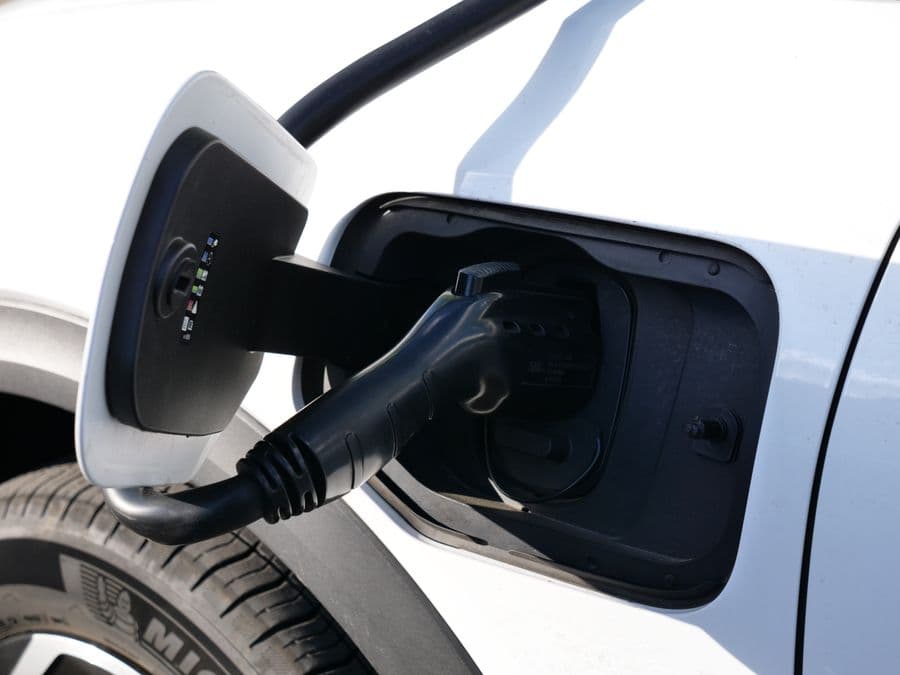
Charging an EV in the Philippines means living with rain, brownouts and the occasional typhoon. The good news is that charging in the rain is safe by design: the equipment is sealed and tested for wet conditions. The real planning is around power interruptions, which is mostly about timing your charging and knowing your options when the grid goes down.
Is it safe to charge an EV in the rain?
Yes. EV charging equipment is engineered to be used outdoors in wet weather. Connectors and charging ports are designed to seal when connected, and the system includes safety checks that prevent power from flowing if something is wrong. People charge in the rain routinely and safely.
- Plug in normally. A bit of rain is not a reason to avoid charging.
- Use common sense. Do not submerge equipment in flood water, and avoid handling connectors with the plug lying in a puddle. Keep things sensible, as you would with any outdoor electrical device.
The danger with deep flood water is universal to all vehicles, not an EV-specific electrical risk. No sensible driver, in any car, drives through deep flooding.
How do I plan around brownouts?
Brownouts are the more practical concern, and the fix is timing.
- Charge before a storm. When a typhoon is forecast, top up your car while power is still on, so you have range if the grid goes down.
- Lean on home charging habits. If you usually keep the car reasonably charged overnight, a short brownout barely affects you.
- Have a public backup. If home power is out, you can look for a charger on the map in an area that still has electricity.
Charging at home overnight at roughly ₱11 to ₱13 per kWh is both the cheapest and the most resilient habit, because you are rarely caught with a low battery. Our guide to EV home charging covers the setup.
What if the power is out for a while?
Longer outages need a little more thought.
- Find power elsewhere. The public and peer-to-peer network means you can often charge in a part of town that still has electricity.
- Ration range. If you cannot charge, drive conservatively to stretch what you have until power returns.
- Consider your car as a backup power source. Some EVs can send power out to run appliances during an outage, a feature covered in our guide to using an EV to power your home during a brownout.
Typhoon-season tips
- Keep the battery topped up during the rainy season so you are never caught low when a storm hits.
- Never drive through deep flooding in any vehicle.
- Park smart. Avoid known flood-prone spots, the same advice any car owner follows.
Frequently asked questions
Is it dangerous to charge an EV when it is raining?
No. Charging equipment is sealed and designed for outdoor, wet use, with safety checks built in. Charging in the rain is routine and safe.
Will a brownout damage my car if it happens mid-charge?
No. The charging system is designed to stop safely if power is interrupted. You simply resume charging when power returns.
How do I avoid being stranded during a typhoon?
Charge before the storm arrives while power is still on, keep your battery topped up during the rainy season, and know where you can charge in areas that still have electricity.
Can my EV power my home during a brownout?
Some models can, using a feature that lets the car send power to appliances. See our guide to using an EV to power your home during a brownout for how it works and which cars support it.
Be our partner
Power the Philippines' electric future with us
Earn from an idle charger, or put your brand in front of EV drivers while they charge. Join the EVChargePH network today.