PH EV Scene
The EV Revolution in the Philippines: Why Now
By EVChargePH Team · March 16, 2026 · 9 min read
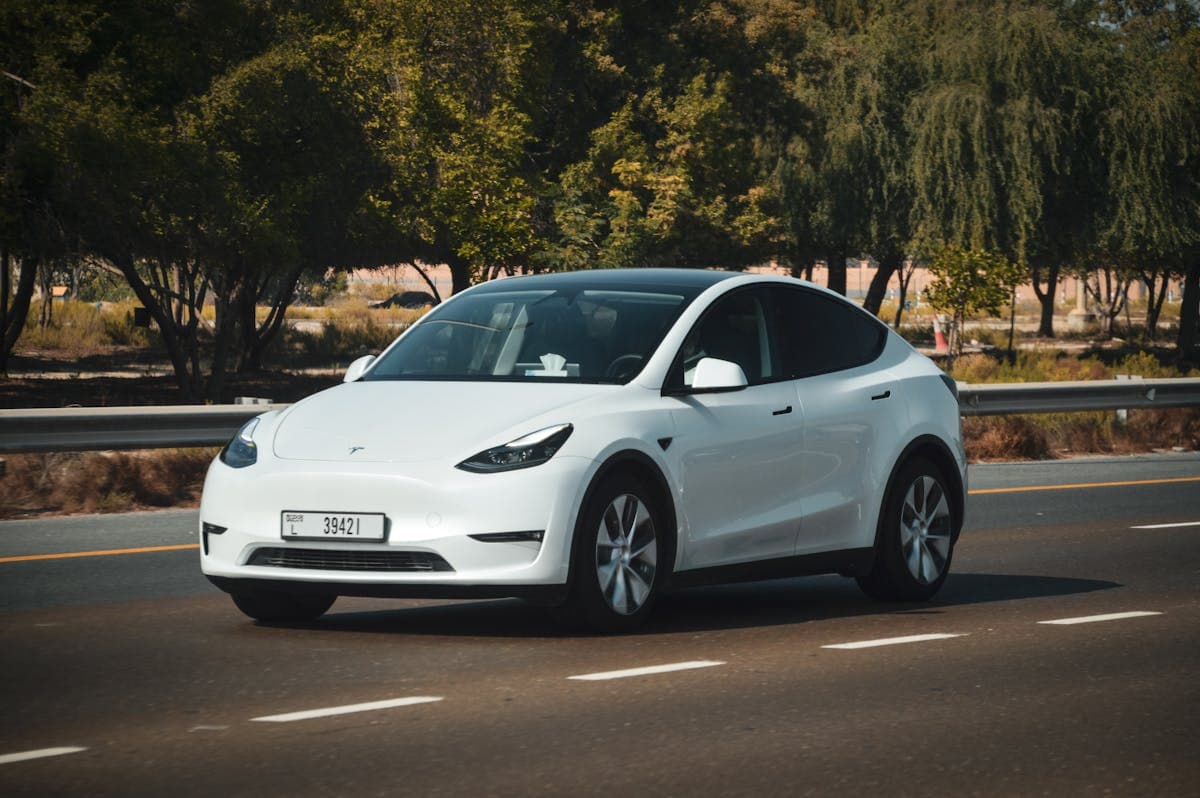
For years, the electric vehicle felt like something that belonged to wealthier markets abroad, a curiosity you might spot once a month and point at from the window of a jeepney. As of 2026, that perception has flipped. From Metro Manila to Cebu and Davao, more Filipinos are seriously considering an EV as their next car, not as a status symbol but as a sensible household decision. The reasons are part economics, part policy, and part a growing sense that the technology has finally matured enough to be trusted with the daily school run, the long weekend drive, and the unglamorous reality of Philippine traffic. This is not hype from a brochure. It is a shift you can feel on the road, in the showroom queues, and in the conversations happening in online groups every single day.
A perfect storm of factors
Previous attempts to popularize electric mobility in the country fizzled because only one piece of the puzzle was ever in place at a time. A cheaper car with nowhere to charge is useless, and abundant charging with no affordable vehicles helps no one. What makes this moment genuinely different is that several trends have arrived together and are reinforcing one another.
- Fuel prices have stayed stubbornly volatile, and many drivers are tired of watching pump costs swing month to month with no warning and no end in sight.
- A far wider range of models is now available locally, from compact city cars to family SUVs, electric motorcycles, and tricycles, so buyers are no longer forced into a single expensive option.
- Public charging infrastructure, while still growing, is dramatically more visible than it was a few years ago. Malls, hotels, and gas stations along major routes increasingly offer charging as a normal amenity rather than a novelty.
- Government incentives, including reduced or waived duties on certain EVs and friendlier registration treatment, have nudged sticker prices closer to what an ordinary buyer can actually stomach.
None of these on their own would tip the balance. Together, though, they create real momentum, and momentum is what turns a handful of early adopters into a crowd. Each new convert makes the next one easier, because they become a living example a friend or relative can ask questions of. If you want to understand the policy side in more detail, our guide to the EVIDA law and incentives breaks down what support is actually available to buyers today and how it changes the math.
The Filipino context matters
It would be a mistake to simply copy the EV story from elsewhere and assume it maps neatly onto the Philippines. The country has its own realities that shape how the transition unfolds. Many households live in condominiums or rent their homes, where installing a private charger is not always straightforward and may require building management approval and some patience. Our home charging setup guide walks through what that process looks like and where the common snags tend to appear, so you can plan around them rather than be surprised.
Traffic in major cities is heavy, which actually suits EVs surprisingly well. Electric motors are most efficient in the stop-and-go conditions that frustrate petrol drivers and burn fuel, and they recover energy through regenerative braking every time you ease off in a crawl. The same jam that drains a fuel tank and your patience in a combustion car barely troubles an EV, and the cabin stays cool and silent while you wait it out. In a country where commutes can be long and slow, this is not a minor footnote. It is one of the strongest practical arguments for going electric, and it is precisely the scenario where an EV feels best.
The country also has a deep culture of public and shared transport. Electric jeepneys and tricycles are part of the same revolution, and in some ways they may have an even bigger impact on air quality and daily commuting costs than private EVs ever will. The shift is not only about who can afford a new car. It is about cleaner air for entire neighborhoods, quieter streets, and lower running costs for the operators who keep millions of people moving every day.
The economics that win arguments
For most Filipino families, the decision ultimately comes down to money over the life of the vehicle, not the headline price on the showroom floor. Here the case for electric has grown noticeably stronger. Running costs per kilometer are generally lower than petrol, and the gap widens the more you drive, which means high-mileage drivers benefit most. Maintenance is simpler because there are far fewer moving parts, no oil changes, fewer fluids to flush, and brakes that last longer thanks to regenerative braking doing much of the slowing for you.
We compare the day-to-day numbers directly in our piece on charging cost versus gas, and we look at the bigger ownership picture, including insurance and depreciation, in the cost of EV ownership breakdown. The pattern that emerges across both is consistent and reassuring: a higher upfront cost that is gradually repaid through lower running expenses, with the crossover point arriving sooner for those who cover more kilometers. It is the kind of long-term arithmetic that rewards patience, and Filipino buyers tend to be very good at that kind of arithmetic.
What about charging access
The honest answer to the most common worry is that charging is the part still filling in, especially along provincial routes far from the big cities. But this is exactly where peer-to-peer solutions change the calculation entirely. A growing network of privately owned chargers, shared through platforms, means you are no longer fully dependent on a handful of public stations clustered in the metro.
On EVChargePH, drivers can find a charger hosted by a neighbor, a small business, or a condo unit owner, often within a short drive of wherever they happen to be. The other side of that coin is just as interesting and just as important: anyone with idle equipment can list their charger and earn from it, which steadily thickens coverage in the very residential areas that big operators tend to skip because the numbers do not work for a full commercial station. Every host who joins makes the map a little denser for everyone else. If you are curious how the whole arrangement fits together, our explainer on how EVChargePH works lays it out step by step.
Who is buying, and why now
The early adopters were enthusiasts and the well-off, people who bought an EV partly for the novelty and partly to make a point. The new wave is much broader: commuting professionals doing the fuel math, growing families wanting a quiet and spacious ride, and small business owners looking to cut costs. Women in particular are emerging as influential decision-makers in the shift, often the ones running the numbers and weighing what suits the household. Communities and clubs have sprung up to share real-world knowledge, smoothing the learning curve for newcomers, as covered in our look at EV communities and clubs.
There is a self-reinforcing quality to all this. Each visible EV on the road is a small advertisement, prompting questions at the next family gathering or office lunch. Each satisfied owner becomes a source of honest answers for someone still on the fence. That word-of-mouth momentum tends to build slowly and then accelerate, which is roughly the pattern playing out across the country now. The technology has been ready for a while; what changed is that enough ordinary people have tried it and reported back that it simply works for daily Filipino life.
There is also a comfortable on-ramp for the cautious, which matters in a market where people are rightly careful with a major purchase. Not everyone is ready to go fully electric on day one, and that is completely fine. Hybrids have become a popular stepping stone, letting drivers experience electric propulsion without changing their routine at all. They let people build confidence gradually, so that the eventual jump to a full EV feels small rather than daunting, and many owners come to electric driving by this gentler road.
What this means for you
If you have been sitting on the fence, the practical case is stronger than it has ever been. The driving experience is quiet and smooth, the running costs are lower, and the main thing to plan around, charging access, has a fast-growing answer in the form of community chargers you can reserve in advance.
A few realistic takeaways to guide your thinking:
- Start with your routine. If most of your driving is city and suburban, an EV fits beautifully and the traffic actually works in your favor rather than against you.
- Map your charging before you buy. Check what is available near home, work, and your usual weekend destinations, mixing public stations with peer-to-peer hosts so you always have options.
- Do the lifetime math, not just the sticker. Lower running and maintenance costs change the picture considerably over several years of ownership, especially if you drive a lot.
- Lean on the community. Real owners will answer your questions honestly, sharing the small annoyances alongside the genuine joys, and their experience is worth more than any brochure.
The EV revolution in the Philippines is not a far-off promise anymore. It is unfolding right now, shaped by local conditions and driven by Filipinos who simply want cleaner, cheaper, and quieter ways to get around their cities and provinces. The infrastructure, both public and community-driven, is being built to meet them, and the next few years will almost certainly turn today's early adopters into a much larger crowd. The question is no longer whether the shift is coming, but how soon you decide to be part of it.
Be our partner
Power the Philippines' electric future with us
Earn from an idle charger, or put your brand in front of EV drivers while they charge. Join the EVChargePH network today.