Charging 101
EV Charging Speeds: How Long Does It Really Take?
By EVChargePH Team · May 11, 2026 · 8 min read
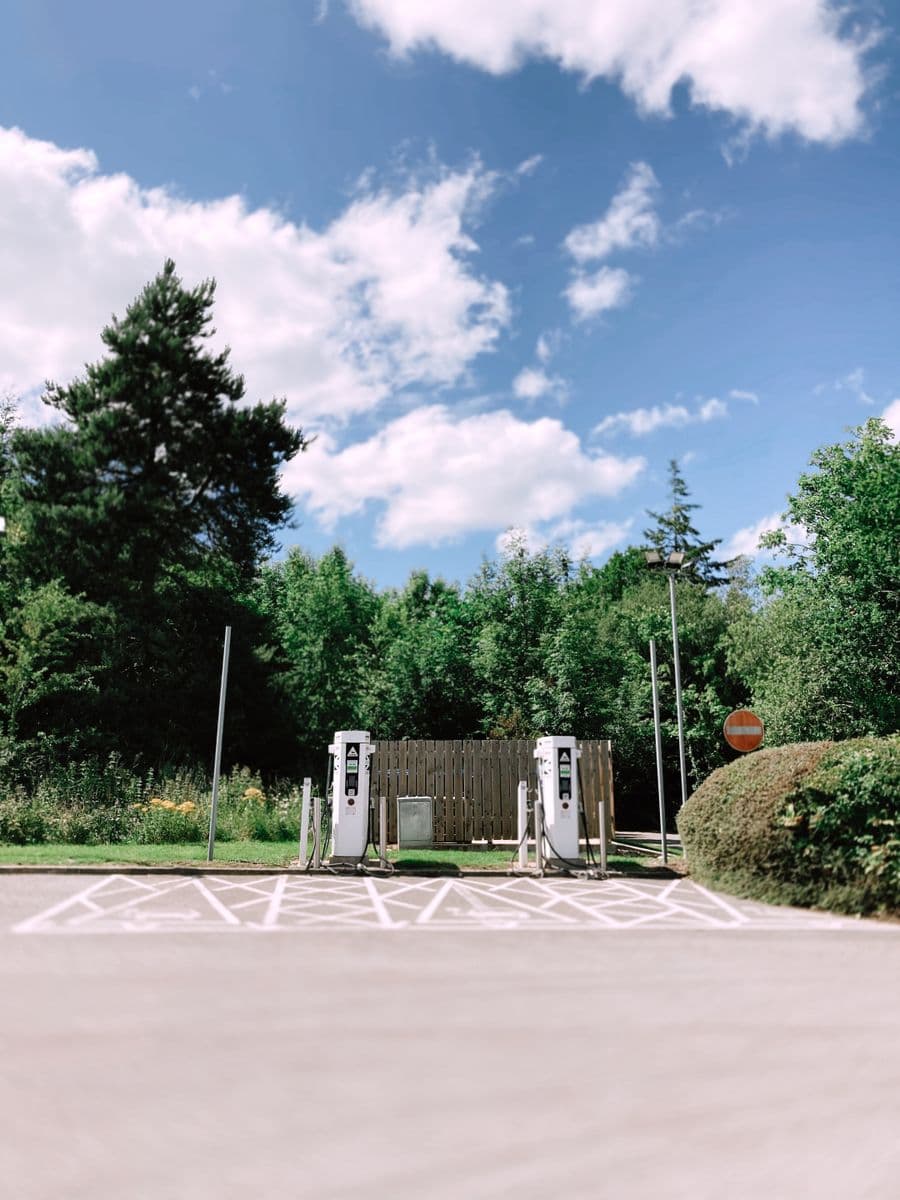
Ask how long it takes to charge an EV and the honest answer is: it depends. Unlike refueling a petrol car, where the pump flows at a roughly fixed rate and a fill-up takes about the same time every visit, charging speed is shaped by several moving parts working together at once. The variation can be confusing at first, and it is the source of a lot of conflicting advice online. But once you understand the handful of factors involved, the wide range of times you hear quoted starts to make complete sense, and you can predict your own experience accurately.
This guide breaks down what actually controls charging speed, layer by layer, so you can estimate your own real-world times and stop relying on a single headline number that may not apply to your car, your station, or your situation at all.
The Power Rating Sets the Ceiling
Charging power is measured in kilowatts (kW). The higher the kW, the faster energy flows into the battery. But there are really two ceilings at play, and both matter equally:
- The station's maximum output, which is how much power it is physically capable of delivering
- Your car's maximum charging rate, which is how much power it is willing and able to accept
Charging happens at whichever of these two numbers is lower. Plugging a slow-charging car into a powerful station will not magically speed it up, because the car simply refuses to draw more than it was designed to. Equally, a fast-charging car is held back when connected to a modest charger that cannot supply what the car could take. Both sides have to match before you see top speed. This is the same gating principle explained in our guide to AC versus DC charging, and it is the single most common source of confusion among new owners who reasonably but wrongly expect a big charger to always mean a fast charge.
AC vs DC Changes Everything
The biggest single factor in charging speed is whether you are using AC or DC. This one distinction does more to determine your charging time than anything else.
- AC charging goes through the car's onboard charger, which has a modest power limit built in by the manufacturer to keep the car affordable and light. This is the slow, steady kind used overnight at home or while parked at work for the day. A full charge this way is usually measured in hours, which is perfectly fine when the car is sitting idle anyway and you are asleep or busy.
- DC fast charging bypasses the onboard charger entirely and sends power directly to the battery, which allows far higher speeds. A rough 20-to-80 percent top-up on many cars can take well under an hour, though exact figures vary by vehicle and station. This is the kind you rely on during travel.
This is why home charging and highway charging feel like completely different experiences, almost like two separate activities that happen to share a name. If you want a deeper look at when to use each, our piece on fast versus slow charging covers the trade-offs in detail, and the broad split between AC and DC plugs is unpacked in our guide to connector types too.
The Battery Has a Say Too
Even at a powerful fast charger, your EV will not charge at full speed for the entire session. The battery itself is an active participant in the process, constantly managing its own intake, and a few realities shape what is often called the charging curve.
- Charging slows as the battery fills. Most EVs charge quickest when the battery is fairly low and deliberately taper off as they approach full. This protects the cells from stress and heat, and it is why owners so often quote the 20-to-80 percent window rather than 0-to-100. The last stretch to a completely full battery can take a surprisingly long time for relatively little added range, which is why it rarely makes sense at a busy fast charger.
- Temperature matters. A very hot or very cold battery may charge more slowly while the car works to protect itself and the cells. In the Philippine climate, heat is the more common consideration, particularly during repeated fast charging on a long, sunny drive when the pack has had little chance to cool between stops.
- Battery size affects total time. A larger battery holds more energy, so even at the same power level it takes longer to fill completely. Two cars charging at identical rates will still finish at different times if one carries a bigger pack, simply because there is more to fill.
These battery behaviors are also why looking after the pack pays off over the years, a topic our guide to battery care tips explores further, since gentle, well-managed charging keeps a battery healthy for longer.
The Charging Curve in Plain Terms
It is worth pausing on the idea of the charging curve, because it explains a great deal of real-world behavior that otherwise seems random. Picture the rate of charging plotted against how full the battery is. At low states of charge, the line sits high, meaning power pours in quickly. As the battery fills, the line slopes downward, and by the time you are near full it has dropped considerably.
- The early part of the curve, from a low level up to the middle, is where most of the useful charging happens fastest
- The middle stretch is still reasonably quick on most cars and covers the bulk of everyday top-ups
- The final approach to completely full is the slowest part, sometimes dramatically so, which is why it is often skipped on the road
This shape is not a defect; it is the battery protecting itself and prioritizing longevity. The practical consequence is that two sessions adding the same number of kilometers can take very different amounts of time depending on where in the curve they happen. Adding range to a nearly empty battery is quick, while topping a nearly full one is slow. Internalizing this single idea turns charging from something unpredictable into something you can anticipate, and it is exactly why the seasoned advice is to charge the fast part of the curve on the road and leave the slow tail for home.
Why Real-World Range Complicates the Picture
Charging speed is only half the question; the other half is how far the energy you add actually takes you. A car that charges quickly but uses energy inefficiently may still leave you stopping often, while an efficient car stretches every kilowatt-hour further and lets you cover more ground between sessions. The two factors interact, so a slightly slower-charging but very efficient car can prove more relaxing on a long drive than a fast-charging but thirsty one.
This is where the gap between official figures and reality comes in, something we dig into in our look at WLTP versus real-world range. Official range numbers are measured under controlled conditions and rarely match the heat, traffic, and air-conditioning of a real Manila commute. The practical upshot is that how long it takes to charge and how often you need to charge are tightly linked questions, and a complete picture of your charging life considers both together rather than in isolation.
Putting It Together
To estimate your real-world charging time, it helps to think in layers rather than reaching for one fixed number that someone quoted out of context.
- Start with the lower of the two power limits, whether that ceiling is set by your car or the charger
- Adjust for AC versus DC, since that single choice defines the broad speed category you are operating in
- Remember the taper near full, the effect of temperature, and the fact that bigger batteries take longer to fill completely
A genuinely helpful habit is to charge to around 80 percent when you are out on the road, where speed matters and others may be waiting, and then top up the remainder at home where time is completely irrelevant. Many drivers find that day-to-day charging rarely feels slow at all once they stop chasing 100 percent on every single session. The fastest part of the curve does most of the useful work, and the slow final stretch is simply not worth waiting around for in most situations. You can plan these stops far more easily when you find a charger along your route in advance and know roughly where you will top up.
The Honest Bottom Line
The takeaway as of 2026 is that there is no single universal charging time, only a range that depends on your specific car, the station you choose, the battery's current level, and even the weather on the day. That might sound frustrating at first, but it is actually empowering once it sinks in. Once you genuinely understand the factors, you can predict your own times with confidence, plan stops that fit your journey rather than disrupt it, and avoid the disappointment of expecting a speed your car was never going to deliver in the first place.
Charging is far less about chasing the biggest kW figure on a spec sheet and far more about matching the right charge to the right moment in your day. If you are still deciding whether all of this fits your lifestyle, our overview of how it works puts charging speed in the wider context of EV ownership, and anyone with a parking bay to spare can help shorten the wait for others by choosing to list your charger in their neighborhood.
Be our partner
Power the Philippines' electric future with us
Earn from an idle charger, or put your brand in front of EV drivers while they charge. Join the EVChargePH network today.