Charging 101
EV Charging Etiquette: The Unwritten Rules
By EVChargePH Team · May 5, 2026 · 7 min read
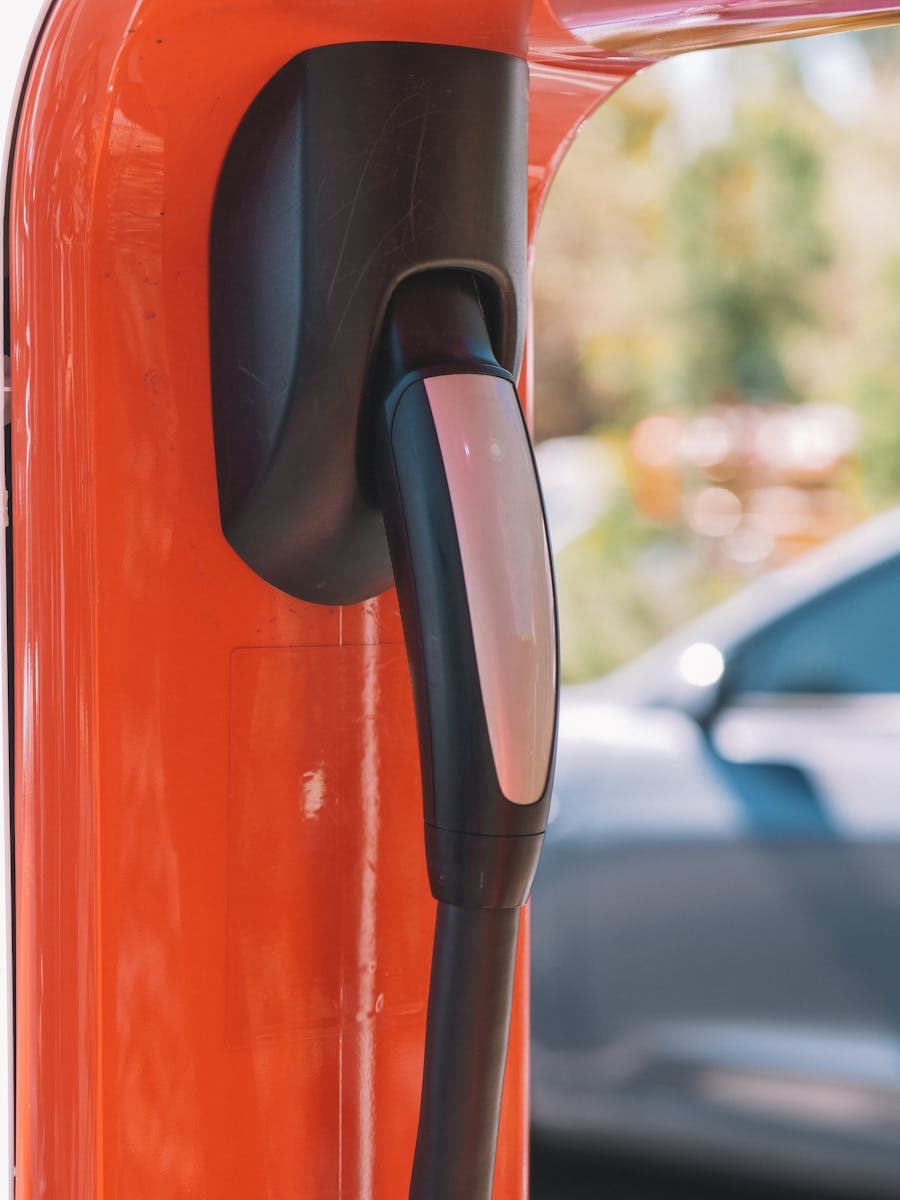
Public charging is a shared resource, and like any shared space, it runs smoothly when people are considerate of one another. There are no formal laws governing most of these behaviors, just a set of unwritten courtesies that the EV community tends to value and quietly enforce through social goodwill and the occasional polite word. Following them makes life easier for everyone, including a future version of you who arrives tired at the end of a long drive and just wants an open, working charger without drama.
This guide collects the courtesies that keep public charging pleasant for all. None of them are difficult or demanding, and together they form the informal code that a growing community relies on to keep a still-limited network usable. Think of it less as a rulebook and more as the shared manners that make a young community work.
Why Etiquette Matters More Here
Charging etiquette carries more weight than petrol-station manners for a simple reason: a charging session takes considerably longer than filling a tank, and chargers are still relatively scarce in many areas compared with fuel pumps. As our look at charging networks explains, coverage in the Philippines is still maturing, which means each working stall genuinely matters more. When a single inconsiderate driver ties up a charger for far too long, the ripple effect on everyone else is far larger than a brief wait at a fuel pump would ever be. Good etiquette is therefore not merely politeness for its own sake; it is what keeps a limited and valuable network usable for the whole community.
Free the Stall When You're Done
The most important rule is also the simplest one: do not treat a charger like an ordinary parking spot.
- Move your car once charging is complete, especially at busy DC fast chargers. Leaving a finished car plugged in blocks others who genuinely need power and may already have been waiting patiently nearby.
- Avoid charge hogging. On fast chargers, charging often slows dramatically near full, as explained in our guide to charging speeds. Staying plugged in to squeeze out the very last few percent can tie up a stall for a long time while delivering very little extra range. Reaching a comfortable level and moving on is the considerate choice almost every time.
- If you must step away during a session, try to stay reachable so you can return promptly the moment your charge finishes rather than leaving others guessing.
This habit ties directly into our guidance on fast versus slow charging: fast chargers are designed for quick top-ups on the move, not for leisurely fills to a full 100 percent that really belong at home overnight where they cost less and inconvenience nobody.
Respect the Equipment and the Space
A little care keeps stations working for the whole community, and broken or damaged equipment ends up hurting everyone who comes after.
- Return cables and holsters neatly. Cables left dangling on the ground can get damaged, run over by the next car, or become a tripping hazard for pedestrians. Hanging them back up properly takes only a few seconds and shows respect for the next user.
- Report broken chargers whenever you can, so the operator can arrange a repair. A quick report helps the next driver avoid the disappointment of arriving at a dead stall with no warning, especially after a long detour to reach it.
- Do not unplug someone else's car unless it is clearly finished and local norms or posted signs explicitly allow it. When in any doubt at all, leave it alone. Interrupting another person's session without permission is one of the quickest ways to cause genuine friction in the community.
Share Nicely at Busy Sites
When stations are in high demand, patience and a little communication go a long way toward keeping interactions civil and pleasant.
- Do not block charging stalls with a non-charging vehicle. Spaces reserved for charging should be left open for cars that actually need to plug in, not used as ordinary parking, even briefly while you run an errand.
- If there is a queue forming, be aware of others waiting and avoid lingering longer than necessary once your own session is comfortably done.
- A friendly heads-up to a fellow driver about how long you expect to be can prevent a surprising amount of frustration. A simple honest estimate lets others plan their own time rather than stand around guessing.
These small acts of communication are part of what makes the wider EV community so welcoming, something our look at EV community clubs celebrates. A quick, friendly word at the charger often turns a tense moment into a pleasant one.
Etiquette at Home and Shared Buildings
Charging courtesy does not only apply at public stations out in the world. For the many EV owners who live in condos, townhouses, or any shared building, a parallel set of unwritten rules applies much closer to home, and getting them right keeps neighbors friendly and management cooperative.
- Do not monopolize a shared building charger. If your building provides a common charging point rather than individual ones, treat it like a busy public stall: charge what you need and free it up for the next resident rather than leaving your car parked on it overnight.
- Coordinate with neighbors. A simple shared schedule or group chat can prevent friction when several residents need the same charger, turning a potential source of resentment into a smoothly managed routine.
- Keep shared cables tidy and respect shared costs. Return communal equipment neatly, and be scrupulous about any agreed arrangement for splitting electricity costs so that trust is never strained.
The same spirit extends to your own visitors. If a friend with an EV comes over and you kindly offer a charge, a little communication about timing and any cost keeps the gesture warm rather than awkward, and it sets a pleasant precedent for the next time. Building good habits in these closer settings matters just as much as public manners, because shared-building charging is where many disputes actually arise, often over small misunderstandings that a moment of courtesy would have prevented entirely. A considerate resident smooths the path for every EV owner who comes after in that building, helps keep neighborly relations warm, and often makes building management far more willing to add further charging capacity in the future rather than viewing it as a source of conflict.
A Few Extra Courtesies
Small gestures add up to a noticeably better experience for everyone who shares the network day after day.
- Plan ahead so you are not relying on a single charger as your only possible option. Knowing your alternatives reduces stress for you and eases pressure on any one station. Tools that let you find a charger make this kind of planning easy and quick.
- Keep the area clean and avoid leaving any trash behind. A tidy charging site is a pleasant one for the next person, and small efforts compound across many drivers.
- Be patient and polite with newcomers who may still be learning the ropes. Most of us were beginners not so long ago, fumbling with an unfamiliar app or an awkward connector, and a little grace at the right moment goes a very long way toward keeping the community warm.
Etiquette as Community Building
It genuinely helps to see etiquette not as a tiresome list of restrictions but as a way of building something good together. Every considerate session makes the network a little friendlier and a little more reliable for the next person. As more drivers join the movement, covered in our piece on the EV revolution in the Philippines, the culture being set right now will shape what public charging feels like for years to come. A community that frees stalls promptly, reports faults willingly, and welcomes newcomers warmly is one that everyone actually wants to be part of, and that goodwill tends to come back around.
The Bottom Line
As of 2026, the Philippine EV community is still growing quickly, and the culture around public charging is being shaped right now by how each of us behaves at the plug. Good etiquette is not about strict, enforceable rules with penalties; it is about recognizing a simple and very human truth: the charger you kindly free up today might be the very one you are deeply grateful to find available tomorrow.
A little courtesy at the plug keeps the whole network friendlier and far more reliable for everyone who uses it, and it costs you nothing at all to give freely. The drivers who treat shared chargers with care today are quietly building the welcoming, dependable charging culture that the whole country will benefit from for years to come. If you want to understand the bigger system that these everyday courtesies quietly support, our overview of how it works is a good next read, and anyone who wants to ease the pressure on busy public stalls can help directly by choosing to list your charger for the wider community to use.
Be our partner
Power the Philippines' electric future with us
Earn from an idle charger, or put your brand in front of EV drivers while they charge. Join the EVChargePH network today.