Charging 101
Can You Drive an EV Through Floodwater in the Philippines? What to Do Before, During and After
By EVChargePH Team · October 5, 2026 · 8 min read
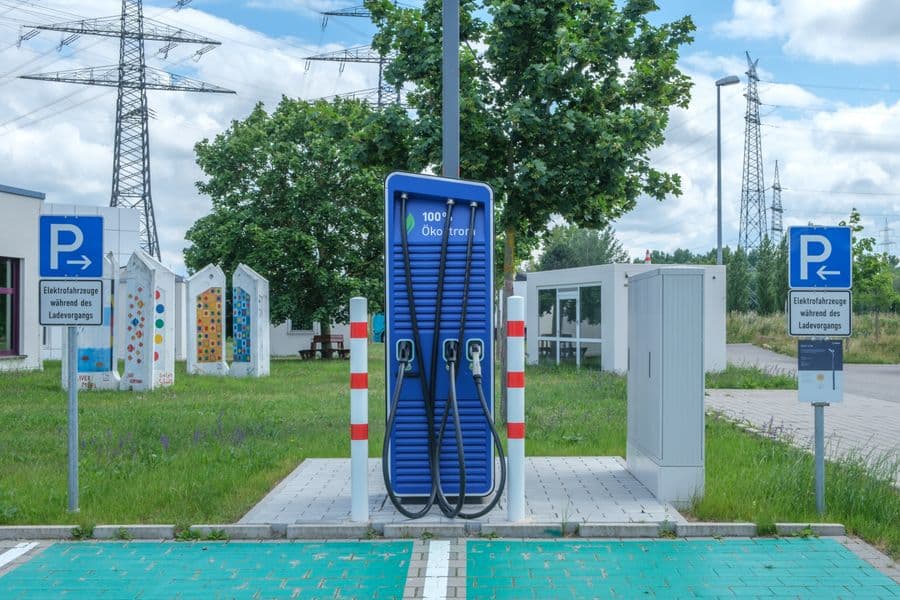
Yes, an EV can handle rain and shallow puddles, but you should not deliberately drive any car, electric or petrol, through deep floodwater. If you are caught in a flood, the safest move is to turn back, park on high ground, and never attempt to charge or restart a car that has been submerged. Your owner's manual is the only authority on how much water your specific model is rated to wade through.
Is it safe to drive an EV in heavy rain?
Ordinary heavy rain is not a problem. EV batteries are sealed packs, and the charge port, connectors and high-voltage cabling are designed and tested to cope with the wet conditions that cars face every day. Driving to work in a downpour, running the wipers and aircon, and going through a car wash are all normal use.
The trouble starts when water stops falling on the car and starts rising around it. Rain is a weather condition; floodwater is an environment, and it behaves very differently. It can be deep, fast-moving, contaminated, and it hides what is under the surface. As our piece on rainy season charging safety explains, the real concern in the Philippines is flooding, not rain itself.
Can an EV drive through floodwater better than a petrol car?
In one narrow way, yes: an EV has no air intake or exhaust pipe, so there is no engine to hydro-lock when water gets sucked in. That is the classic way petrol cars get wrecked in floods, and it is not a risk for a battery EV.
But that is not a licence to wade. Other risks apply equally to EVs:
- Water ingress. Seals are designed for splashes and brief immersion, not for sitting in deep water. Every model has a manufacturer-stated wading limit, and many manuals are cautious about it or simply advise against driving through standing water.
- Hidden hazards. Open manholes, potholes, debris and uneven road surfaces are invisible under murky water, and a low-slung EV with a heavy battery pack can ground out or be damaged underneath.
- Loss of control and stalling. Moving water can push a car sideways, and even a small amount of buoyancy changes how it steers and brakes.
- Electrical faults. Water reaching damaged or unsealed components can trigger warnings, limp-mode, or a loss of drive.
Think of it this way: an EV's electric drivetrain removes one flood failure mode, but it does not make floodwater safe to drive through.
What should you do before a typhoon or flood warning?
Preparation is where EV owners have a real advantage, because you can plan around charging.
- Charge up early. When a typhoon is forecast, top up your battery before the weather arrives. Power cuts often follow strong storms, and a full battery gives you a backup for emergencies. If your model supports it, vehicle-to-load (V2L) can even run small appliances during a brownout.
- Park high. Know which streets, basements and parking levels in your area tend to flood, and move the car to higher ground well before the water rises. Condo owners should check whether the basement parking floods and know their alternative.
- Check your home charger setup. A wallbox should be installed by a licensed electrician, mounted at a sensible height, with good drainage around it. Our home charging guide covers what a proper installation looks like.
- Review your insurance. Flood and typhoon damage is typically covered only if you have comprehensive cover with the relevant add-on. Check it now, not after the storm. Our EV insurance guide explains the "acts of God" extension.
- Plan your charging alternatives. Use the EVChargePH map to note a few chargers on higher or sheltered ground near home and work, in case your usual spot is inaccessible.
What should you do if you meet floodwater on the road?
The same rule applies as for any driver: turn around, don't drown.
- Do not drive into water you cannot see the bottom of. If you cannot tell how deep it is, assume it is too deep.
- Never follow another vehicle into a flooded stretch. A truck or SUV clearing it says nothing about your car's ride height or sealing.
- Slow down if you must pass through shallow water. Go at walking pace, steady speed, no sudden braking, and avoid creating a bow wave. Test your brakes lightly afterwards to dry them.
- If the car stops or starts to float, get out. Prioritise your safety over the vehicle. Move to higher ground and call for help.
- Do not keep trying to restart a car that has stalled in water. Switch it off and leave it for professionals.
Always follow local advisories and road closures from the authorities, and never take chances for the sake of a shortcut.
What do you do if your EV has been in floodwater?
This is the part that is different for an electric car. A flooded EV has a high-voltage battery and cabling, and water damage to those systems should be treated with real caution.
- Do not charge it. Do not plug in a car that has been submerged or that sits in standing water, whether at home or at a public charger.
- Do not repeatedly try to start it. Switching it on can cause further damage if water has reached electrical components.
- Keep clear of the battery and orange high-voltage cables. Do not touch or attempt to inspect them yourself.
- Contact your dealer or the manufacturer's roadside assistance. Ask for a flatbed tow rather than a standard tow, since the drivetrain should not be turned unnecessarily.
- Call your insurer promptly and document the flooding with photos before the car is moved, if it is safe to do so.
- Get a proper inspection by a trained technician before the car is driven or charged again. Some flood-damaged batteries can develop problems days or weeks later, which is why a professional assessment matters even if the car seems fine.
Should you buy a car that has been flooded?
Generally no. Flood-damaged cars of any kind can develop corrosion and electrical problems long after the water has dried, and a flooded EV adds a high-voltage battery to the list of unknowns. If you are shopping second-hand, check the vehicle's history, look for tell-tale signs such as damp carpets, a musty smell, silt in hidden crevices, or fogged lights, and follow our used EV buying guide before you commit.
Quick checklist for EV owners during typhoon season
- Charge fully before a storm and keep a plan for charging after it
- Park above known flood levels, not in a low basement
- Never drive into floodwater you cannot judge
- Never charge a wet-damaged or submerged car
- Know your insurer's flood coverage and your dealer's emergency contact
- Keep a few higher-ground chargers saved on the map
The bottom line
EVs are well suited to the Philippine rainy season, and rain itself is not a reason to change how you drive or charge. Floodwater is a different matter, and the sensible rule is to avoid it entirely, then get professional help if the worst happens. If you want to understand your wider running costs through the wet season and beyond, try the EV savings calculator, and if you have a sheltered, higher-ground parking spot with a charger, consider helping fellow drivers by choosing to list your charger.
*This guide is general information, not a substitute for your vehicle's owner's manual or official advice from your dealer, insurer or local authorities. Wading limits and flood procedures vary by model.*
Be our partner
Power the Philippines' electric future with us
Earn from an idle charger, or put your brand in front of EV drivers while they charge. Join the EVChargePH network today.