Cost & Ownership
EV Insurance in the Philippines: What It Costs and What to Look For (2026)
By EVChargePH Team · July 27, 2026 · 8 min read
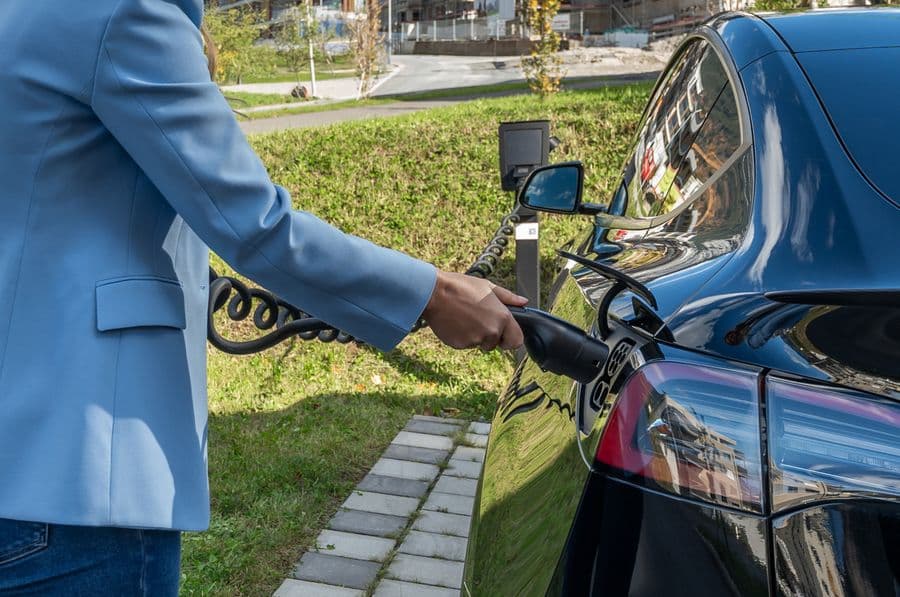
Insuring an EV in the Philippines uses the same two-part system as any car: a cheap, legally required CTPL, plus an optional comprehensive policy priced as a percentage of your car's value. Comprehensive premiums commonly run about 1.5% to 3% of the vehicle's fair market value per year, so a higher-priced EV usually costs more to insure — but the coverage, not just the price, is what you should compare. EVs are not uninsurable or exotic here; every major insurer writes them. The differences come down to the battery, repair costs, and a handful of add-ons worth knowing about.
If you're weighing whether to go electric, insurance is a real line item in the total cost — so it's worth understanding before you commit. This guide breaks down the two layers of cover, why EV premiums can sit a bit higher, and the specific things to check on the policy.
The two layers: CTPL vs comprehensive
Every registered vehicle in the Philippines needs the same base layer, and most owners add a second:
- CTPL (Compulsory Third-Party Liability). This is required by law to register your car with the LTO. It's cheap — a small fixed annual cost, typically in the low hundreds to around a thousand pesos for a private car — and it only pays for injury or death to other people in an accident you cause. It does not pay to repair your own car or anyone's property.
- Comprehensive insurance. This is optional but strongly recommended, especially for a pricey EV. It covers damage to your own vehicle from accidents, theft, fire, and (with the right add-on) floods and typhoons, plus third-party property damage and higher liability limits.
For an electric car, CTPL costs essentially the same as it would for a petrol car of the same class — it's priced on liability, not on what's under the hood. The EV-specific considerations all live in the comprehensive policy. If any of these terms are new to you, our EV glossary keeps the jargon plain.
How comprehensive premiums are priced
Philippine comprehensive premiums are calculated mainly as a percentage of the car's fair market value, commonly in the range of about 1.5% to 3% per year (some quotes run higher). Because an EV often carries a higher sticker price than a comparable petrol model, the same percentage produces a larger peso figure.
In practice, EV comprehensive premiums in the market have been observed roughly in the ₱17,000 to ₱61,000 per year band, depending heavily on the vehicle's value and how much coverage you bolt on. A modest hatchback EV sits near the bottom; a premium electric SUV sits near the top. The single biggest lever is simply how much your car is worth.
A few things push the number up or down:
- Vehicle value — the dominant factor, since the premium is a percentage of it.
- "Acts of God" cover — adding flood, typhoon, and earthquake protection can raise the premium meaningfully (roughly 30-40% more), but in a country of annual typhoons it's the add-on most owners shouldn't skip.
- Your deductible — agreeing to shoulder more of each claim yourself lowers the annual premium.
- Add-ons — roadside assistance, acts-of-nature, and EV-specific extras each add cost.
Why EVs can cost a bit more to insure
An EV isn't automatically more expensive to insure, but a few realities can nudge premiums higher than an equivalent petrol car:
- The battery is the costliest part. A damaged high-voltage pack can cost hundreds of thousands of pesos to replace, and insurers price that risk in.
- Repairs need specialists. Fewer shops are trained and equipped to work on EV high-voltage systems, which can mean pricier or slower repairs — a cost insurers account for.
- Higher purchase price. Since premiums track vehicle value, a more expensive car simply costs more to cover.
The offset is that EVs also bring safety features and, in some cases, lower theft or claim profiles, and insurers increasingly compete for EV business. So while you shouldn't assume EV cover is cheap, you also shouldn't accept the first quote — rates vary widely between providers. It's the same "shop around" advice that applies before buying a used EV.
EV-specific things to check on the policy
This is where EV insurance genuinely differs from petrol cover. Before you sign, confirm:
- Is the traction battery covered, and how? Battery protection is often limited or offered as a separate add-on rather than baked in. Ask specifically whether the high-voltage pack is covered for accidental damage, and what the payout basis is.
- Charging-related damage. Good comprehensive EV policies cover electrical or charging-related incidents — worth confirming, especially if you use a mix of home and public charging.
- Home charger (wallbox) cover. Some insurers offer an add-on that covers your installed home charger. If you've spent on a wallbox, this can be worth it.
- Accredited repair network. Check that the insurer's accredited shops can actually service your make of EV — a large network is only useful if it includes EV-capable centres.
- Roadside assistance for a flat battery. Running out of charge is different from running out of fuel; confirm the roadside plan can help (tow to a charger, for example).
Where insurance fits in the bigger ownership picture
Insurance is one recurring cost among several, and it's easy to over- or under-weight it. The honest way to judge an EV is to look at insurance alongside electricity savings, lower routine maintenance, and registration — not in isolation. A slightly higher premium can be more than offset by cheaper "fuel" and fewer service visits over a year.
To see how the pieces add up for your situation, our 5-year cost of EV ownership guide walks through the full math, and the EV savings calculator lets you plug in your own numbers to compare against a petrol car. Treat the insurance quote as one input into that total, not the whole story.
The quick takeaway
Insuring an EV in the Philippines is straightforward: pay the cheap compulsory CTPL to register, then add a comprehensive policy priced at roughly 1.5-3% of your car's value, plus the acts-of-God cover you'll want in typhoon country. The EV-specific homework is small but important — confirm how the battery, charging incidents, and your home charger are treated, and make sure the accredited shops can actually service an electric car. Get two or three quotes, because rates vary more than you'd expect.
Thinking about the earning side of EV ownership too? If you have a charger at home or at your business, you can list your charger on EVChargePH and offset some of these running costs by letting other drivers pay to top up.
*Insurance rates and rules in the Philippines change; the ~1.5-3% of value guide, the ₱17,000-₱61,000 EV premium band, and CTPL figures reflect 2025-2026 sources and should be reconfirmed with each insurer before you rely on them.*
Be our partner
Power the Philippines' electric future with us
Earn from an idle charger, or put your brand in front of EV drivers while they charge. Join the EVChargePH network today.