PH EV Scene
Tesla Supercharger vs Local Charging Networks
By EVChargePH Team · March 4, 2026 · 9 min read
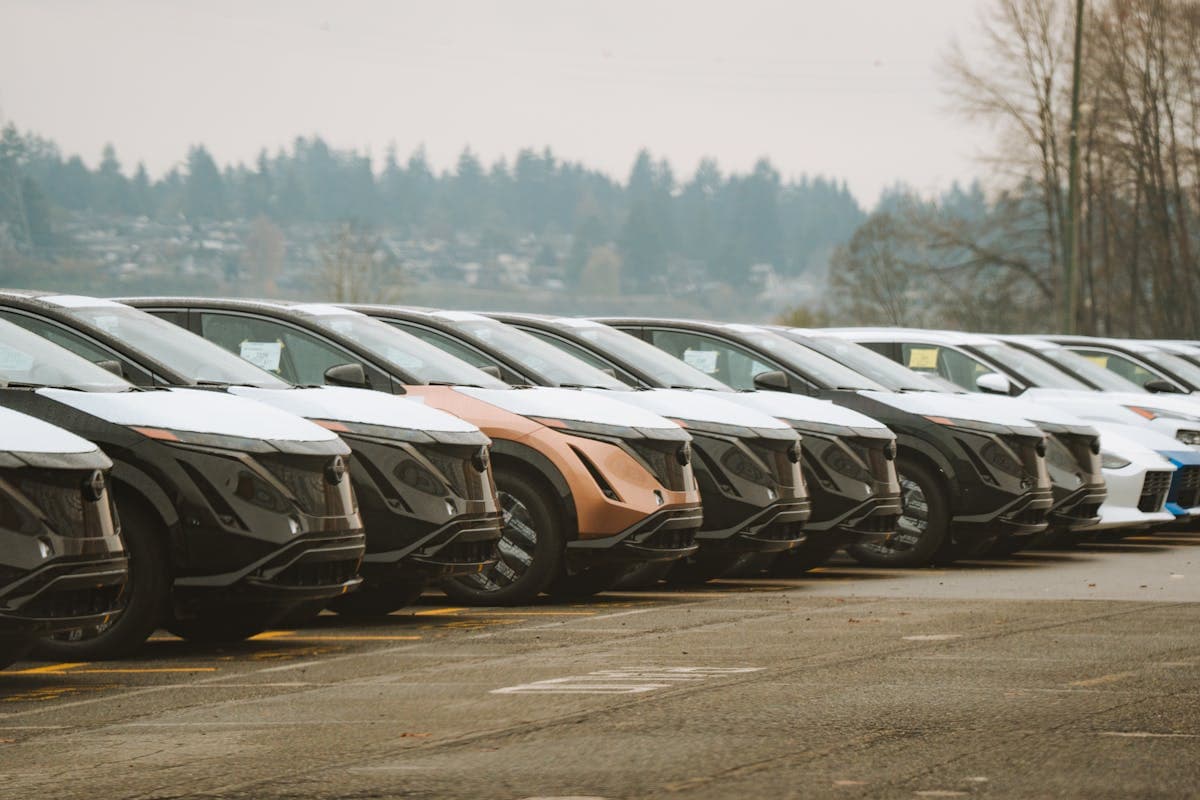
When people talk about EV charging, Tesla's Supercharger network often comes up as the gold standard, the benchmark everyone else is quietly measured against. But for Filipino drivers, the more relevant comparison is not really about one brand at all. It is between the *dedicated network model* that Supercharger represents and the local charging networks and peer-to-peer hosts that actually surround drivers day to day across the country. Each approach has real strengths and real limits, and understanding the trade-offs honestly helps you charge smarter as of 2026 instead of fixating on any single solution as the answer.
The dedicated network model
Tesla built much of its reputation on a tightly integrated charging experience, and that integration is the model's defining strength. The appeal of a dedicated, single-brand network is consistency above all. The chargers are designed to work seamlessly with the cars, payment happens automatically without fumbling through multiple apps and accounts, and reliability is treated as a core priority rather than an afterthought bolted on later. For drivers within such an ecosystem, the experience can feel genuinely effortless, almost invisible, which is exactly the point.
The trade-off is coverage and openness, and it is a significant one. A single-brand network is only as useful as how widely it has been built out in your particular area, and historically it was designed around one manufacturer's vehicles rather than the whole market. Where these networks exist and suit your car, they are excellent and hard to beat. Where they simply do not reach, they are not an option at all, no matter how polished and reliable they happen to be somewhere else. This tension between a great experience and a limited footprint sits at the very heart of the comparison. If you are weighing the brands themselves rather than just their charging approach, our piece on Tesla versus BYD digs into that side of the decision in detail.
Local charging networks
Across the Philippines, a variety of local charging operators have been steadily expanding their footprints year by year. These networks are typically open to many vehicle brands rather than locked to a single one, and they concentrate where demand is highest, such as malls, fuel stations, and busy business districts. Their advantages are practical and well suited to the local market's realities.
- Broad compatibility, since they generally serve a wide range of EV models regardless of which manufacturer built the car.
- Practical locations tied to where Filipinos already shop, work, and travel, so charging fits naturally into errands and trips rather than requiring a special detour.
- Growing expressway presence, which makes longer journeys through Luzon and beyond increasingly feasible without careful rationing.
The challenge is that coverage and reliability can vary noticeably between operators and from one region to another. You may also need different apps or accounts to use different networks, which adds friction to what should be a simple stop. Knowing where these networks cluster helps a great deal, and our guide to top charging spots in Luzon maps out the patterns so you can plan around them. The underlying technology matters too, which is why understanding AC versus DC charging helps you make sense of why some stations charge so much faster than others and which one you actually need.
The peer-to-peer layer
There is a third model that does not get nearly enough attention in these debates: peer-to-peer charging. Instead of relying solely on large operators to build and maintain stations, individual owners list idle home and business chargers for nearby drivers to use for a fee. On a platform like EVChargePH, drivers find a charger on a map and reserve a slot, while hosts earn from equipment that would otherwise sit completely unused for most of the day.
This layer shines precisely where formal networks are thin or entirely absent. In residential neighborhoods, smaller towns, and along provincial routes, a privately hosted charger might be the single most convenient option available for kilometers around. It also scales remarkably quickly compared to building stations, because it taps into chargers that already exist rather than waiting for new ones to be funded, permitted, and constructed from scratch. Anyone with suitable equipment can list their charger and add to the coverage almost overnight, and the full arrangement, including how the economics work, is explained in how EVChargePH works.
Reliability, cost, and convenience compared
It is worth weighing the three approaches across the things drivers actually care about, rather than just admiring one in the abstract. On reliability, a dedicated network tends to lead within its footprint, local networks vary, and peer-to-peer depends on the individual host but benefits from reservations that confirm availability before you drive over. On cost, the picture shifts constantly and depends heavily on location and time of day, so it pays to compare rather than assume. On convenience, the honest verdict is that each shines in different circumstances, which is the whole reason a single answer rarely works in a country as varied as this one.
It also helps to separate two distinct kinds of charging need, because the right choice differs between them. The first is the everyday top-up, where you simply want the battery refilled without a special trip. Here, home charging and convenient destination charging win easily, and the polish of any particular fast network barely matters because you are not in a hurry. The second is the journey charge, where you are mid-trip and time genuinely counts. This is where a reliable fast network, whether dedicated or local, justifies a small premium, because the value is in getting back on the road quickly.
The case for a flexible mindset
Drivers who fixate on a single network often end up frustrated, not because that network is bad, but because no network covers everything. The Philippines is simply too spread out and too varied for one operator to be the answer everywhere you might drive. A flexible mindset treats each charging source as a tool rather than a loyalty, reaching for whichever one fits the moment in front of you.
That flexibility is easiest when you keep your options visible and ready. Knowing how to read a charger's connector type so you can confirm compatibility at a glance, keeping a couple of network accounts set up, and being comfortable using peer-to-peer hosts all widen the set of places you can confidently charge. The drivers who travel the most relaxed are invariably the ones who never put all their faith in one solution, because they have quietly arranged to always have a backup within reach.
Which approach wins
The honest answer is that you should not have to choose just one, and the drivers who never seem to have charging trouble are precisely the ones who refuse to lock themselves into a single source. The smartest EV owners mix their options depending on the situation in front of them.
- Use dedicated or commercial networks where they are reliable and convenient, especially for fast top-ups in the middle of a long trip.
- Lean on destination charging at malls and hotels during longer stops, letting the car quietly fill while you do something else worthwhile.
- Tap peer-to-peer hosts to fill the gaps, particularly off the main corridors and in residential areas where formal stations are scarce or nonexistent.
- Charge at home whenever possible, since overnight charging quietly handles the bulk of most drivers' needs without any thought at all.
A polished single-brand network is wonderful within its footprint, and there is no denying the appeal of an experience that simply works every time. But the Philippines is a large, diverse country with uneven infrastructure that no single operator can realistically blanket. A flexible strategy that combines local networks with a growing pool of community chargers gives you the broadest and most reliable coverage in everyday practice.
It is also worth noting that these models are not really competitors so much as complements. A dedicated fast network and a neighborhood peer-to-peer host are not fighting over the same job; one excels at rapid mid-trip charging on a highway, the other at filling a gap in a quiet residential area where no station will ever be built. Seen this way, the question stops being which network is best and becomes how to assemble a personal toolkit that covers all the situations you actually encounter. The more pieces you have ready, the less any single gap can disrupt your driving. Rather than betting everything on one model and hoping it reaches where you are going, the practical move is to keep several options within easy reach at all times, so that a closed or busy station is never more than a minor inconvenience rather than a trip-ending problem. For drivers who travel a lot, our guide to the best EVs for road trips pairs naturally with this mixed approach, since the right car and the right charging strategy together are what make long-distance electric driving genuinely stress-free.
Be our partner
Power the Philippines' electric future with us
Earn from an idle charger, or put your brand in front of EV drivers while they charge. Join the EVChargePH network today.