Charging 101
EV Connector Types Explained (Type 2, CCS2, CHAdeMO, GB/T)
By EVChargePH Team · May 13, 2026 · 8 min read
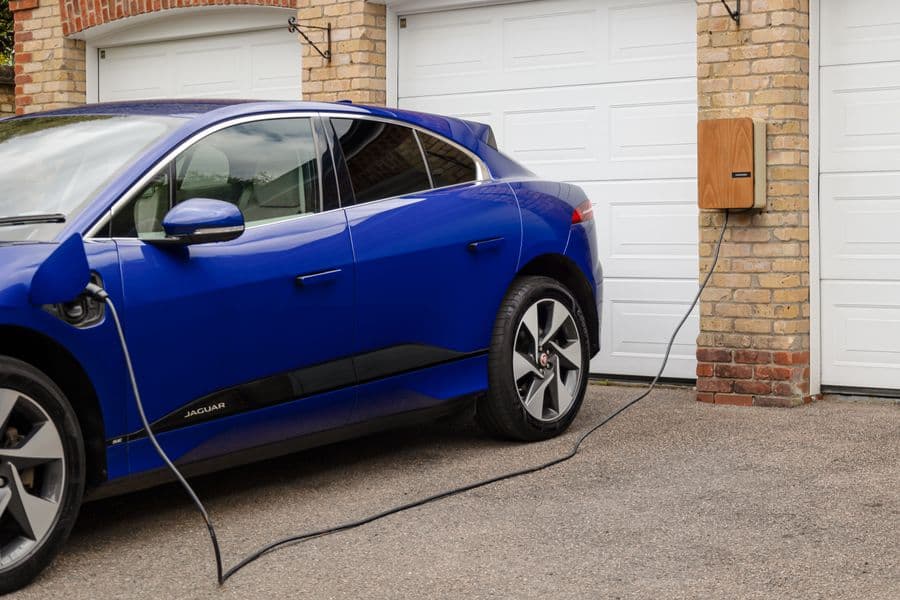
One of the first surprises for new EV owners is that there is no single universal plug. Different cars use different connectors, and the connector on your vehicle determines which charging stations you can actually use. It is a bit like discovering that not every phone uses the same charging cable, except the stakes are higher because a mismatched plug means you simply cannot charge at that station, full stop. There is no borrowing a different cable from a friend in the parking lot.
The good news is that the landscape, while varied, is not nearly as chaotic as it first appears. A handful of standards cover almost everything you will meet on Philippine roads, and once you know which one your car uses, the apparent confusion melts away. This guide gives you a plain-language tour of each connector type, explains why the difference matters in daily life, and helps you scan any station with confidence rather than uncertainty.
Why Connectors Exist in Plurals
Connectors evolved separately in different parts of the world, shaped by regional standards, manufacturer choices, and the timeline of when EVs first arrived in each market. Japan, Europe, China, and North America each developed their own approaches at different moments, and there was never a single global committee that forced everyone onto one plug. Because the Philippines imports vehicles from all of these regions, local drivers encounter a wider mix than they might in a single-standard country where one type dominates.
It also helps to remember the underlying split from our explainer on AC versus DC charging. Some connectors are built for AC, which routes through the car's onboard charger and is generally slower. Others are built for DC, which bypasses that converter and feeds the battery directly at much higher speeds. A few cleverly combine both functions into one port so the car needs only a single socket. Keeping that AC-versus-DC distinction firmly in mind makes the whole connector picture far easier to follow, because every plug below falls neatly into one of those buckets.
AC Connectors
These handle slower alternating current charging, typically at home or at public stations where you park for a while and are in no particular hurry.
- Type 2: As of 2026 this is the most widely adopted AC connector in the Philippines and across much of the world outside North America. It has a distinctive seven-pin, flat-bottomed shape and is used for home wall boxes and many public AC chargers. If your car is relatively new, there is a strong chance it uses Type 2 for AC charging. Because it is so common, a Type 2 home setup is a safe default for most owners planning a home charging setup.
Type 2 is the workhorse of everyday charging. It is what you will most often clip into overnight, and its widespread adoption means most destination chargers at malls, hotels, and offices speak the same language. For the bulk of your charging life, Type 2 is the plug you will reach for again and again, so it pays to be comfortable with it.
DC Fast-Charging Connectors
These deliver direct current straight to the battery for much faster speeds. Several standards exist, and crucially, they are not interchangeable. The plug shapes are physically different, so a station built for one will simply not fit a car built for another. This is the area where checking compatibility really matters.
- CCS2 (Combined Charging System): This is essentially a Type 2 plug with two extra large pins added below it for high-power DC. The elegant part is that a single port on the car handles both AC and DC charging, which keeps the car's bodywork tidy and simplifies life for the owner. You plug your slow overnight cable and your fast highway cable into the same socket. CCS2 has become the common DC standard for many newer EVs sold here, and it is increasingly the one to look for at fast-charging hubs.
- CHAdeMO: An older but still-used DC standard, originally developed in Japan. It is a separate round connector and was common on earlier Japanese EVs. Newer models are gradually moving away from it in favor of CCS2, but you will still encounter CHAdeMO ports on certain cars and at some stations, so it has not disappeared from the scene and remains worth recognizing.
- GB/T: The standard developed in China and used by many EVs designed for that market. With a growing number of Chinese-brand EVs available in the Philippines, GB/T connectors are something local drivers increasingly need to recognize. Note that GB/T uses different plugs for AC and DC rather than combining them into one, so a GB/T car has two separate ports for the two charging types.
Because the brand mix in the country leans heavily on vehicles from several regions at once, you may well find that the EV you are considering uses one of these standards rather than another. Our roundups of popular models, such as the BYD Atto 3 review and the Hyundai Ioniq 5, are useful for seeing how connector choices play out across the cars people actually buy and drive day to day.
What Each Pin Actually Does
You never need to know the engineering in detail, but a rough mental picture of why these plugs look the way they do can make the whole subject feel less arbitrary. A connector is essentially a bundle of separate conductors, each with a specific job, packed into one housing for convenience.
- Some pins carry the actual power that flows into your battery, and these are the largest because they handle the most current
- Smaller pins handle communication, letting the car and the charger talk to each other before and during a session
- Other pins handle safety and earthing, ensuring the connection is grounded and that power only flows when everything is correctly seated
This is why a CCS2 plug is physically larger than a plain Type 2: it adds those two big DC power pins below the existing Type 2 cluster, bolting fast-charging capability onto a connector that already handled AC and communication. Once you picture it this way, the family resemblance between Type 2 and CCS2 makes immediate sense, and the separate round shape of CHAdeMO simply reflects that it was designed independently for a different job. None of this changes how you use them, but it does make the variety feel like sensible engineering rather than needless confusion.
How the Connector Shapes Your Daily Life
The connector is not just trivia for spec sheets. It quietly shapes your day-to-day charging routine in ways that are easy to underestimate until you are standing at a station that does not fit your car.
- Check compatibility first. Before choosing an EV, confirm which connector it uses and whether the public chargers near your home, office, and regular routes support it. The fastest car in the world is no use if you cannot plug it in where you actually need to.
- Adapters exist, but cautiously. Some adapters can bridge certain connectors, though they may carry power or speed limits and are not available for every combination. Treat them as a niche solution rather than a blanket guarantee that any car can use any station.
- Stations often support more than one. Many public DC chargers come fitted with multiple cables, so a single site might serve CCS2 and CHAdeMO users at the same time. Coverage still varies by location, which is why it pays to know your own plug before you arrive.
A practical habit worth building: whenever you pull into a charging station, glance at the cables on offer and match them to your car's port before doing anything else. Within a few weeks you will have memorized your own connector and you will instinctively scan any new site for the right cable, the same way you once learned to spot the correct fuel grade. To make planning easier still, you can also find a charger and check what each location provides before you set off, rather than discovering a mismatch on arrival.
Matching the Plug to the Charge Type
It helps to picture how these connectors map onto the broader speed categories covered in our guide to charging speeds. Type 2 is your AC, slower, everyday connector for home and destinations. CCS2, CHAdeMO, and GB/T DC are your fast-charging connectors for when you are on the move and need to get going quickly. A car with a CCS2 port can therefore do both jobs through one neat socket, while a GB/T car keeps its AC and DC plugs separate on the body. Neither approach is wrong; they are simply different design philosophies that arrived from different parts of the world, and both work perfectly well once you understand them.
A Landscape Still Settling
The connector landscape is still maturing as of 2026, and the exact mix you see today may shift over the next few years as standards gradually consolidate and infrastructure grows across the country. For now, knowing whether your EV speaks Type 2 and CCS2, CHAdeMO, or GB/T is genuinely enough to plan with confidence. You do not need to memorize every pin, voltage, and specification; you just need to know your own plug and recognize it reliably in the wild.
Once you understand your connector, the entire charging network suddenly makes far more sense, and the seemingly confusing variety resolves into a simple question you can answer at a glance: does this station have my cable. If you are weighing your first electric car around all this, our broader look at how it works ties the connector question into the rest of ownership, and owners with a spare bay can even help expand local options by choosing to list your charger for fellow drivers.
Be our partner
Power the Philippines' electric future with us
Earn from an idle charger, or put your brand in front of EV drivers while they charge. Join the EVChargePH network today.