Buying Guide
The Best EVs for Road Trips in the Philippines
By EVChargePH Team · April 7, 2026 · 9 min read
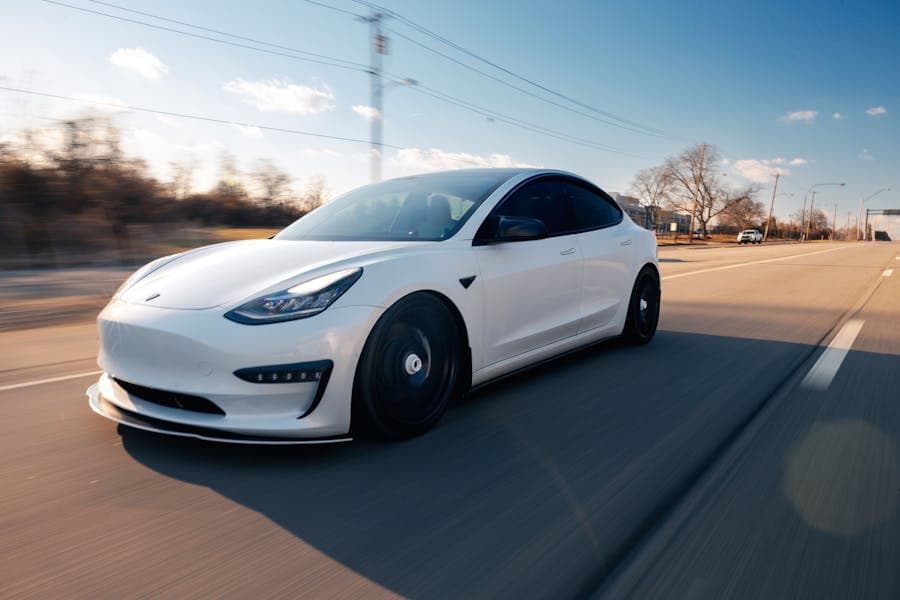
Road trips are woven deep into Filipino life — long drives to the beach, up to the mountains, or back to the hometown for fiesta and family reunions. The question every prospective EV buyer inevitably asks is whether an electric car can really handle them, or whether it quietly ties you to the city limits. Increasingly, the honest answer is yes, it genuinely can. With the right vehicle and a little upfront planning, electric road trips are very achievable today, though they do ask for a slightly different rhythm than simply filling a tank of petrol and going. This guide explains what genuinely makes an EV road-trip ready and how to plan a long-distance drive that feels relaxed and enjoyable rather than anxious and rushed the whole way.
What makes an EV road-trip ready
For long distances, a handful of traits matter far more than they ever do for ordinary city driving, where almost any EV will happily cope without complaint. When the kilometres really start to pile up, these are exactly what separate a great road-trip car from a stressful, compromised one.
- A larger usable battery for meaningful range between charges, so you simply stop less often along the way and keep your momentum.
- Fast-charging capability, which directly determines how quickly you can top up and get moving again — the difference between a relaxed coffee break and a long hour-long wait you quietly resent.
- Comfort for long stints — supportive seats, a genuinely quiet cabin, and a settled, smooth ride over hundreds of unbroken kilometres at a stretch.
- Cargo space for luggage, coolers, beach gear, and the inevitable pasalubong loaded up on the way back home.
A purely city-focused EV with a small battery can still tackle trips, but it will need more frequent and more carefully planned stops to do so safely. For genuinely regular long-haul driving, prioritise range and charging speed above almost everything else on the list. Larger, longer-range models such as the Hyundai Ioniq 5 and the BYD Seal are natural candidates here for serious distance. If you tend to travel deep with the whole extended family in tow, a roomier electric SUV or seven-seater with a big battery is well worth shortlisting, since space and range together matter most when the car is fully loaded for a long haul.
Understand charging speed before you buy
How fast a car charges shapes the entire road-trip experience more than almost any other single factor, and it is surprisingly easy to overlook entirely when you are dazzled by one big range number on the brochure. Two cars with broadly similar range can feel completely different on a long drive if one replenishes meaningfully in a short stop while the other crawls and keeps you waiting and waiting. It is genuinely worth understanding the basics properly before you buy, which our explainer on charging speeds lays out clearly and without the usual jargon. On a road trip specifically, quick DC fast charging is precisely what transforms a daunting distance into a manageable, almost pleasant series of hops between rest stops. A useful mental model is that, for long-distance travel, how fast the car adds range back can matter more than how much range it started with, because a quick top-up keeps you moving while a slow one chains you to the charger long after you would rather be back on the road.
Planning is part of the journey
The single biggest difference from a petrol road trip is the planning, and genuinely embracing rather than resenting it makes all the difference to your enjoyment. As of 2026, public charging is expanding steadily along the major routes but remains uneven, especially on remote provincial roads far from the cities and main highways. A little preparation the night before genuinely transforms the whole trip from stressful to smooth and confident.
- Map charging stops along your route and identify sensible backups in case one is busy, full, or offline when you eventually arrive; the charger map is your natural starting point for this.
- Start with a full battery from home charging the night before you leave, as our home charging setup guide describes for a typical home.
- Build in buffer range rather than optimistically planning to arrive at your final destination on empty with nothing in reserve.
- Time charging around meals or breaks so the stops feel natural and useful rather than wasteful and frustrating to everyone aboard.
Prepare the car and yourself before you leave
A little readiness before departure makes an electric road trip noticeably smoother, and most of it is common sense once you think it through. Beyond simply leaving with a full battery, a few habits keep the trip relaxed and prevent the small surprises that turn a pleasant drive into a stressful one.
- Carry your charging cables and any adapters you might need, since not every station offers everything and a missing cable far from home is a genuine headache.
- Note the opening hours and locations of your planned stops, because a charger inside a mall or establishment that closes for the night is no use to you at an awkward hour.
- Have a backup for each key stop, so that a busy, full, or out-of-order charger becomes a minor detour rather than a crisis on a remote stretch.
- Check tyre condition and pressure before a long drive, just as you would in any car, since correct pressures also quietly help your range.
It also helps to set expectations with everyone travelling. If passengers understand that the trip includes a couple of planned, purposeful stops rather than one mad dash, those breaks feel like a natural part of the journey rather than an annoyance. Frame the charging stops as the coffee-and-stretch moments they are, and the whole rhythm of the day shifts from anxious to genuinely pleasant. A well-briefed car full of relaxed passengers makes for a far better road trip than a tense one watching the battery percentage.
Embrace the EV road-trip rhythm
There is, perhaps surprisingly, a genuine upside to all this planning and stopping along the way. EV road trips naturally encourage regular breaks, which keeps drivers fresher and noticeably safer on long hauls — fatigue causes far more trouble on provincial highways than most people care to honestly admit. The quiet, smooth, vibration-free ride is genuinely restful over hundreds of kilometres in a way a droning engine never quite manages to be. And the low energy cost per kilometre makes the whole journey cheaper to run, a saving that adds up pleasantly over a long trip. Many owners come to actively enjoy the more deliberate, unhurried pace, treating each charging stop as a welcome chance to stretch their legs, eat properly, and arrive feeling genuinely refreshed rather than frazzled and stiff.
Honest caveats
Be realistic about the current network rather than blindly optimistic, because misplaced optimism is exactly what strands people far from home. If your particular route runs through areas with sparse or unreliable charging, you should either choose a model with ample range to comfortably bridge the gap or simply accept that more careful planning is the fair price of the trip. Loaded weight, hard-working air-conditioning, and sustained highway speeds all trim real-world range together at once, so do not bank on the brochure figure for serious trip planning — our explainer on WLTP versus real-world range shows exactly why your highway number will land lower than the bold headline suggests. Give yourself a sensible margin throughout, and the occasional busy or offline charger becomes a minor inconvenience rather than a genuine crisis.
The verdict
Philippine road trips by EV are very doable today with a long-range, fast-charging vehicle and a bit of sensible forethought before you set off. Choose the car deliberately for the journeys you genuinely take rather than an imagined adventure you rarely make, plan your stops properly in advance, and lean into the calmer, more deliberate rhythm of electric travel rather than fighting against it. The network is improving with every passing year, so trips that felt ambitious not long ago are becoming routine, and the planning that once felt like a chore is steadily becoming lighter as more stations open along the popular routes. The drivers who enjoy electric road trips most are simply the ones who prepare a little and relax into the slower cadence rather than chasing the clock the way they might in a petrol car. Confirm range, charging speed, and price with current dealer listings before you buy, and your very next provincial getaway could well turn out to be an electric one. And if you happen to have a charger at home with a spare slot, you can list your charger for travelling EV drivers passing through your area — a neat and rather satisfying way to help build the very network that makes road trips like yours possible in the first place.
Be our partner
Power the Philippines' electric future with us
Earn from an idle charger, or put your brand in front of EV drivers while they charge. Join the EVChargePH network today.